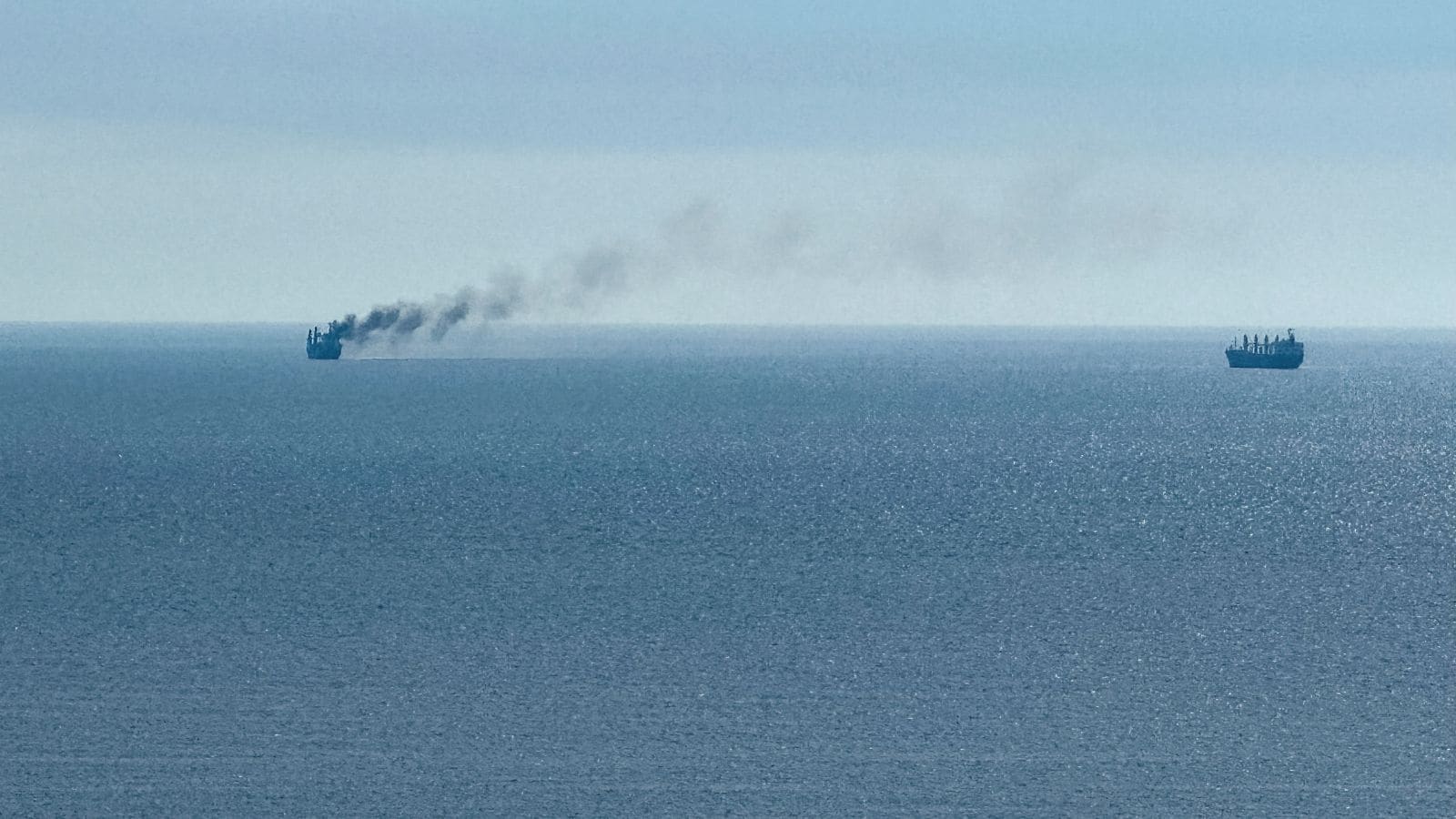
Twenty-eight Indian seafarers narrowly escaped tragedy when an unknown missile struck their Mozambique-flagged LPG tanker in Iranian waters near the Strait of Hormuz.
The Indian Embassy in Tehran confirmed that every single crew member aboard the vessel Disha (IMO 8818219) survived unharmed. But relief shouldn't blind anyone to the harsh reality. Working commercial shipping routes in the Gulf has become a high-stakes gamble for merchant sailors. If you enjoyed this piece, you should read: this related article.
This latest missile strike isn't an isolated incident. It's part of a dangerous escalation across critical shipping corridors. When non-military vessels end up targeted in geopolitical conflicts, civilian mariners bear the direct risk.
Vessel: LPG Tanker DISHA (IMO 8818219)
Flag State: Mozambique
Crew Onboard: 28 (All Indian Nationals)
Status: Confirmed Safe by Indian Embassy, Tehran
Incident Location: Iranian Territorial Waters / Strait of Hormuz
What Happened Onboard the LPG Tanker Disha
The LPG tanker Disha was navigating through Iranian territorial waters near the Strait of Hormuz when a missile strike targeted the vessel. The ship carried 28 Indian nationals handling operations. For another angle on this development, refer to the recent update from The Washington Post.
Shortly after the incident occurred, Indian diplomatic channels went into overdrive. Embassy officials in Tehran established direct contact with Iranian authorities and confirmed the safety of all 28 workers.
Details regarding structural damage to the tanker remain limited. What we do know is that no casualties occurred among the Indian crew. That outcome feels almost miraculous given the destructive power of modern anti-ship munitions.
Trade routes in this area move roughly one-fifth of global oil and gas supplies. Running commercial traffic through these narrow sea lanes requires nerve under normal conditions. Right now, it demands navigating an active firing zone.
Targeted Ship Statistics
------------------------------------
Total Crew: 28
Indian Nationals: 28
Fatality Count: 0
Injury Count: 0
Diplomatic Support: Active (Tehran)
Why Commercial Shipping Attacks Are Escalating Right Now
Merchant vessels aren't combatants. They carry LPG, crude oil, grain, and manufactured consumer goods. Yet they keep finding themselves in the crosshairs.
Regional instability around the Strait of Hormuz has intensified dramatically. A fragile diplomatic truce collapsed earlier this summer, triggering direct exchanges of strikes that disrupted commercial sea lanes. Merchant ships are getting caught in the middle.
Just days before the strike on Disha, four Indian sailors died when the cargo vessel MV Golden Leo was struck after leaving Ukraine's Odesa port. A fifth Indian crew member suffered severe injuries and remains hospitalized in critical condition.
Earlier months saw attacks on other merchant vessels, including Mombasa B, Al Bahyah, GFS Galaxy, MT Wedyan, MKD Vyom, and MT Settebello. Over a dozen mariners have lost their lives across these incidents.
When missile strikes and drone attacks become regular hazards in routine shipping lanes, the global maritime industry faces a structural crisis.
Recent Maritime Incidents Involving Indian Seafarers
-----------------------------------------------------------------------
LPG Tanker DISHA     | Iranian Waters   | 28 Crew Safe
MV Golden Leo        | Black Sea/Odesa  | 4 Fatalities, 1 Injured
GFS Galaxy           | Persian Gulf     | 1 Fatality
MT Settebello        | Persian Gulf     | 3 Fatalities
MKD Vyom & Skylight  | Strait Region    | 3 Fatalities
Diplomatic Pressure and Official Govt Directives
India's Ministry of External Affairs has taken an uncharacteristically sharp stance. External Affairs Minister S. Jaishankar publicly addressed the issue during the 21st East Asia Summit in Manila.
He stated plainly that attacks on seafarers, civilian shipping, and vital transport infrastructure cannot be countenanced under any circumstances. He emphasized that international waterways must stay open, safe, and unimpeded in full compliance with international maritime law.
Diplomatic statements are necessary, but regulatory action carries actual operational weight.
India's Directorate General of Maritime Administration (DGMA) issued a strict advisory titled Precautionary Measures for the Safety and Security of Indian Seafarers in view of the Heightened Security Situation in the Gulf Region.
The circular urges shipowners, RPSL (Recruitment and Placement Service Licence) agencies, and vessel managers to avoid deploying Indian crew into high-risk areas in the Persian Gulf.
Summary of DGMA Official Directives
------------------------------------------------------------------
1. Restrict deployment of Indian nationals in active conflict zones.
2. Mandate real-time risk assessments before entering Gulf sea lanes.
3. Require immediate disclosure of danger pay and exit options to crew.
4. Establish 24/7 emergency response desks for families of mariners.
The Dilemma Facing Indian Mariners at Sea
India provides nearly ten percent of the world's merchant navy workforce. Thousands of Indian officers and ratings man foreign-flagged vessels daily.
For individual seafarers, refusing a contract isn't simple. Mariners face heavy financial pressure, long-term contracts, and fear of blacklisting by recruitment agencies.
Many mariners sign contracts without full awareness of where the ship will trade. A vessel might be chartered to safer waters on day one, only to be re-routed into dangerous corridors three months into a voyage.
Common Operational Challenges for Civilian Mariners
-------------------------------------------------------------------------
Problem                      | Practical Reality
-----------------------------|-------------------------------------------
Contractual Obligations      | Hard to walk away mid-voyage.
RPSL Agency Pressure         | Refusing assignments risks future hiring.
Dynamic Vessel Routing       | Ships change destinations based on charters.
Inadequate Defense Systems   | Commercial ships lack active defense tools.
International maritime law grants seafarers the right to refuse to sail into designated War Risk Areas (WRA) without forfeiting their careers or back pay. But enforcing those rights aboard foreign-flagged ships requires constant vigilance from maritime unions and government regulators.
The Forward Seamen's Union of India (FSUI) has repeatedly raised alarms over the safety of Indian crew members navigating the Strait of Hormuz and adjacent waters. Union representatives point out that safety advisories are useless unless recruitment agencies strictly comply with them on the ground.
Actionable Steps for Seafarers and Maritime Agencies
If you are a seafarer or work with recruitment agencies, waiting for diplomatic resolutions isn't enough. Concrete steps must be taken right now to manage risk.
For Seafarers and Merchant Navy Officers
- Check the War Risk Zone status of your ship's route before signing on or embarking.
- Exercise your legal right to repatriation if a vessel is ordered to enter an active war risk area against your consent.
- Verify that your RPSL agency provides comprehensive war risk insurance coverage and high-risk bonus pay.
- Save diplomatic helpline numbers for regional embassies (Tehran, Muscat, Abu Dhabi) on personal devices before departing port.
For Recruitment Agencies and Vessel Managers
- Comply fully with the DGMA safety advisory issued on July 17 regarding Gulf deployments.
- Provide full transparency to prospective crew members regarding the ship's trading pattern.
- Implement real-time tracking and constant satellite communication links with ships passing through the Strait of Hormuz.
- Reroute ships away from high-density danger zones whenever possible, prioritizing human life over fuel costs or schedule delays.
The successful rescue of all 28 Indian sailors on the Disha was a fortunate outcome. But luck isn't a sustainable maritime security strategy. Industry leaders and regulators must enforce strict protections before another crew ends up in the crosshairs.