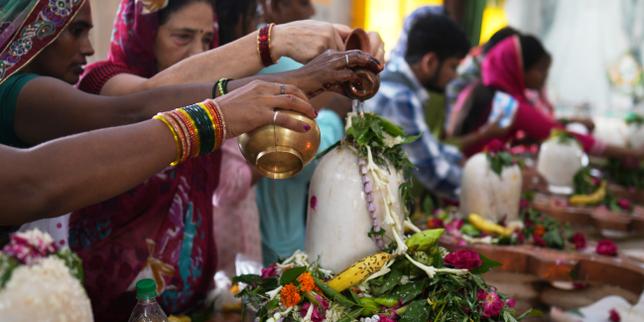
Tragedy struck India again this Monday, August 17, 2026. Fifteen lives were cut short during the holy month of Shravan, a period when millions of devotees pay homage to the deity Shiva. It’s a recurring, heartbreaking narrative. Two separate incidents—one involving a fire and another a crowd crush—have once again forced a conversation about the safety of mass gatherings.
We keep seeing the same patterns. People gather with intense faith and hope, yet the infrastructure meant to protect them fails.
The human cost of a holy month
The events of Monday illustrate how quickly spiritual devotion can turn into a catastrophe. Eight people died in a hotel fire in West Bengal, while seven others were killed in a stampede at a temple elsewhere. Another 19 people were injured in the crush. These aren't just statistics. They are individuals who traveled with the intent to pray and find peace, only to face unimaginable horror.
Why do these incidents continue to happen with such tragic frequency? It basically boils down to a mix of overwhelming scale and systemic failures in crowd management and emergency preparedness.
Why crowd management remains a massive hurdle
I have followed these events for years. The sheer volume of people attending major Indian religious festivals is impossible to overstate. When millions converge on a single site, the density is extreme. If you have ever been in a crowd of that size, you know that control is often just an illusion. Once a surge starts, there’s very little that human security barriers or police lines can do to stop it.
The incident in 2024 in Uttar Pradesh, where 120 people died, is a brutal reminder of the status quo. Authorities often struggle with:
- Inadequate entry and exit points: Bottlenecks form easily.
- Limited emergency response: Once a fire or crush starts, getting medical help into the center of a dense crowd is a logistical nightmare.
- Structural vulnerabilities: Old or temporary infrastructure often can’t handle the pressure of such immense foot traffic.
Beyond the immediate tragedy
When we look at these events, it's tempting to blame only the organizers or the local police. But that’s too simple. India’s religious landscape is vast. Tens of thousands of events happen annually. Most occur without issue. However, the ones that fail do so spectacularly because they lack the high-level planning that mass gatherings require in modern, densely populated urban environments.
There is a gap between the scale of these festivals and the reality of their safety protocols. It’s not about discouraging faith. It’s about demanding that public safety keeps pace with public participation.
Taking steps toward safer gatherings
If you are planning to attend or cover these events, or if you are interested in urban safety, here are the practical realities of the situation:
- Awareness is key: If you’re participating in a massive gathering, always locate the exits the moment you arrive. Don't assume the main path is the safest one.
- Density kills: Avoid the very center of a crush. If you feel the pressure building, try to move laterally toward the edges, even if it feels counterintuitive to leave the main flow.
- Institutional reform: India needs a more standardized approach to managing large-scale religious events. Relying on local oversight for gatherings of this magnitude is a recipe for disaster. We need national standards for crowd control, fire safety, and emergency medical deployment specifically tailored for these types of festivals.
Tragedy shouldn’t be the price of faith. Until the country shifts toward proactive, technology-backed, and strictly regulated crowd management, these horrific stories will likely continue to surface. It’s time for the authorities to prioritize the lives of their citizens over the convenience of traditional logistics.
True respect for tradition includes keeping those who practice it alive.