Don't let the sudden silence in the Persian Gulf fool you. The announcement that Washington and Tehran have agreed to halt their weekend firefight isn't a triumph of diplomacy. It's a desperate scramble to save a poorly constructed truce from collapsing into total regional war.
Just days after Donald Trump celebrated a 14-point memorandum of understanding signed in Versailles, the entire framework almost went up in smoke. Tit-for-tat military strikes over the weekend proved that neither side actually agrees on what "peace" looks like in the world's most critical energy chokepoint.
The immediate crisis flared when an Iranian projectile struck the Ever Lovely, a Singapore-flagged cargo vessel transiting the Omani coast. Washington immediately called the drone strike a "foolish violation" of the June 17 agreement, which explicitly guarantees the freedom of commerce through the Strait of Hormuz.
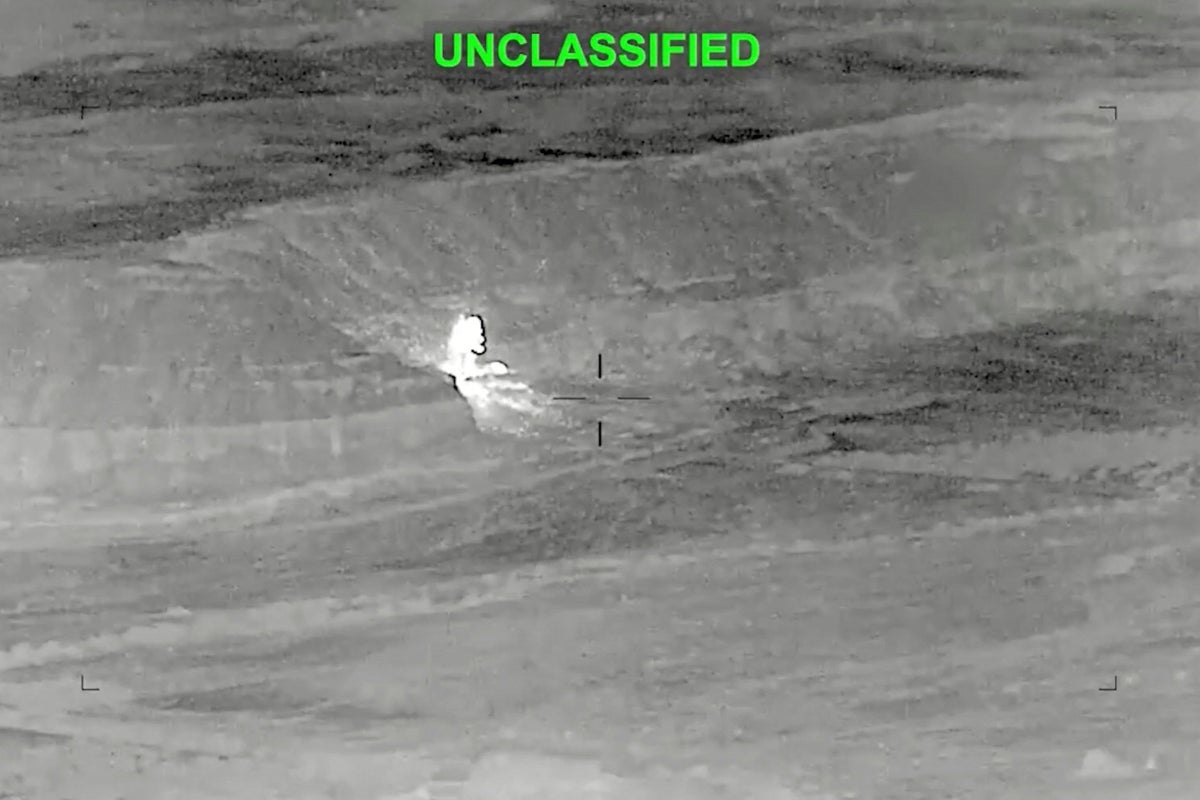
Trump didn't wait. He ordered US Central Command to launch retaliatory airstrikes on Iranian missile storage facilities, drone sites, and coastal radar stations.
Tehran's response was swift and heavy. The Islamic Revolutionary Guard Corps launched ballistic missiles and one-way attack drones at US military bases in Bahrain and Kuwait. By Sunday morning, Trump was raging on social media, threatening to completely wipe out the Islamic Republic if they didn't stand down.
The Core Disagreement Market Players Are Ignoring
The technical teams are moving their tents from Switzerland to Doha, Qatar, to resume emergency talks on Tuesday. They aren't discussing the grand grand long-term nuclear inspections Trump boasted about last week. They're trying to fix a massive, gaping hole in Article 5 of the original memorandum.
The core dispute boils down to maritime sovereignty.
- The US Interpretation: Washington believes the deal secures an immediate, unconditional opening of the Strait of Hormuz for toll-free international shipping.
- The Iranian Interpretation: Tehran insists that the agreement gives them administrative oversight of the waterway. Iranian Foreign Minister Abbas Araghchi made it clear that any attempt to bypass Iranian coordination will only complicate the reopening process.
Iran basically wants every commercial vessel to register and coordinate its passage directly with the IRGC navy. The US and its allies view this as an unacceptable extortion tactic. The direct military-to-military "hotline" negotiated by Vice President JD Vance in Switzerland last week still isn't operational, meaning warplanes and warships are operating with zero direct communication.
Concessions and Frozen Billions
Critics at home are already hammering the administration, calling the interim framework a strategic failure. Beyond the shipping crisis, the financial plumbing of the deal is stuck.
Iranian officials like Mehdi Fazaeili have openly tied the maritime freeze to a lack of banking access. Tehran claims it suspended the scheduled technical talks because it couldn't access the $12 billion in frozen funds Washington promised to release. If the money doesn't flow through the international banking system, Iran feels well within its rights to keep its finger on the trigger in the Gulf.
The economic pressure on Trump to keep this deal alive is immense. Rising energy costs from the 106-day war have sparked panic among congressional Republicans who fear voter backlash in the upcoming midterms. But rushing into an ambiguous agreement gave Tehran immense leverage. By demonstrating they can hit US bases in Kuwait and damage commercial shipping at will, Iran showed the world that it holds the keys to the global energy supply.
Moving Beyond the Firefight
If you're tracking the stability of this truce, stop watching the political statements and look at the actual mechanics on the water. A real pause in hostilities depends on concrete actions, not social media threats.
The real indicators of success over the next 72 hours require tracking specific movements:
- Doha Protocol Activation: Watch whether the technical teams in Qatar actually establish the direct maritime hotline between the US Navy and the IRGC command. Without it, the next accidental radar lock will trigger another round of strikes.
- Fund Verification: Monitor whether the initial $12 billion tranche successfully clears Swiss bank accounts into Iranian-accessible channels. Tehran won't yield on shipping lane access while its assets remain locked.
- Escort Status: Track whether the US Navy scales back its active combat air patrols over the strait or continues to fly aggressive surveillance routes along the Iranian coastline, which Tehran flags as a ceasefire violation.
The weekend's stand-down lets commercial vessels move freely for the moment, but the underlying friction remains untouched. Until the negotiators in Doha define exactly who controls the waters of the Strait of Hormuz, this peace deal is just a temporary pause between airstrikes.