Dengue fever used to feel like a tropical problem that stayed far away from mainland America. You only worried about it if you were booking a trip to Southeast Asia or the Caribbean. Not anymore. Florida is currently fighting one of its worst dengue outbreaks in recent history, and state health officials have officially confirmed the first fatality.
If you live in or plan to visit the Sunshine State, you need to pay attention. This isn't just a minor public health footnote. It is a sign of a shifting climate and a growing local risk that is catching many residents completely off guard. For an alternative view, check out: this related article.
The Reality Behind Florida's Local Dengue Outbreak
The numbers tell a stark story. Hillsborough County—right around the Tampa area—has turned into the epicenter of this year's surge. Out of the 152 locally acquired dengue cases logged across Florida, more than 130 are packed into this single county. For a region that typically sees only a handful of local cases in a normal year, this jump is wildly unusual.
The tragic death of an 80-year-old Tampa resident brought the crisis into sharp focus. Hospital systems like Tampa General have treated over a hundred patients suffering from the intense body aches that give the illness its grim nickname: "break-bone fever". Similar analysis on this matter has been provided by Medical News Today.
Most people infected with the virus don't even realize they have it. They get mild symptoms or nothing at all. But for others, it triggers severe fevers, sharp headaches, dangerous drops in blood pressure, and organ failure.
Why Is This Happening Now?
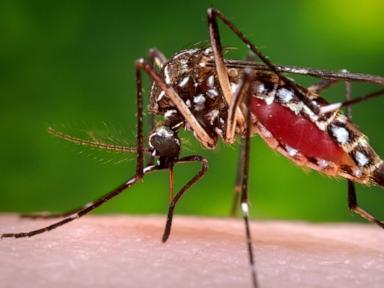
Climate change is doing the heavy lifting here. Warmer temperatures and changing weather patterns let the Aedes aegypti mosquito expand its geographic footprint. These insects thrive in warm, humid weather and love urban environments where humans leave behind small pools of standing water.
Mosquito management crews have been deployed day and night, spraying truck-mounted treatments and flying helicopters over neighborhoods to knock down populations. Environmental scientists are combing through yards, checking old tires, buckets, and potted plants for the tiniest puddles where mosquitoes breed.
Experts from institutions like the University of Florida warn that this might become the new normal. When a traveler gets infected abroad, brings the virus home, and gets bitten by a local mosquito, the cycle begins. The virus jumps from person to mosquito to person, and an outbreak mushrooms before anyone notices.
How to Protect Yourself Right Now
You cannot rely entirely on municipal spraying to keep you safe. If you want to lower your personal risk, you have to take matters into your own hands.
- Clear out standing water around your home weekly. Empty birdbaths, saucers under flower pots, and children's toys.
- Wear EPA-registered insect repellent containing DEET, oil of lemon eucalyptus, or picaridin whenever you step outside.
- Install or repair tight-fitting window and door screens to keep daytime-biting mosquitoes out of your living space.
- Wear long sleeves and pants if you are spending time outdoors in heavily shaded or damp areas.
The mosquito season in Florida doesn't stop just because the calendar flips. Stay alert, check your yard, and don't brush off a sudden high fever and severe joint pain.