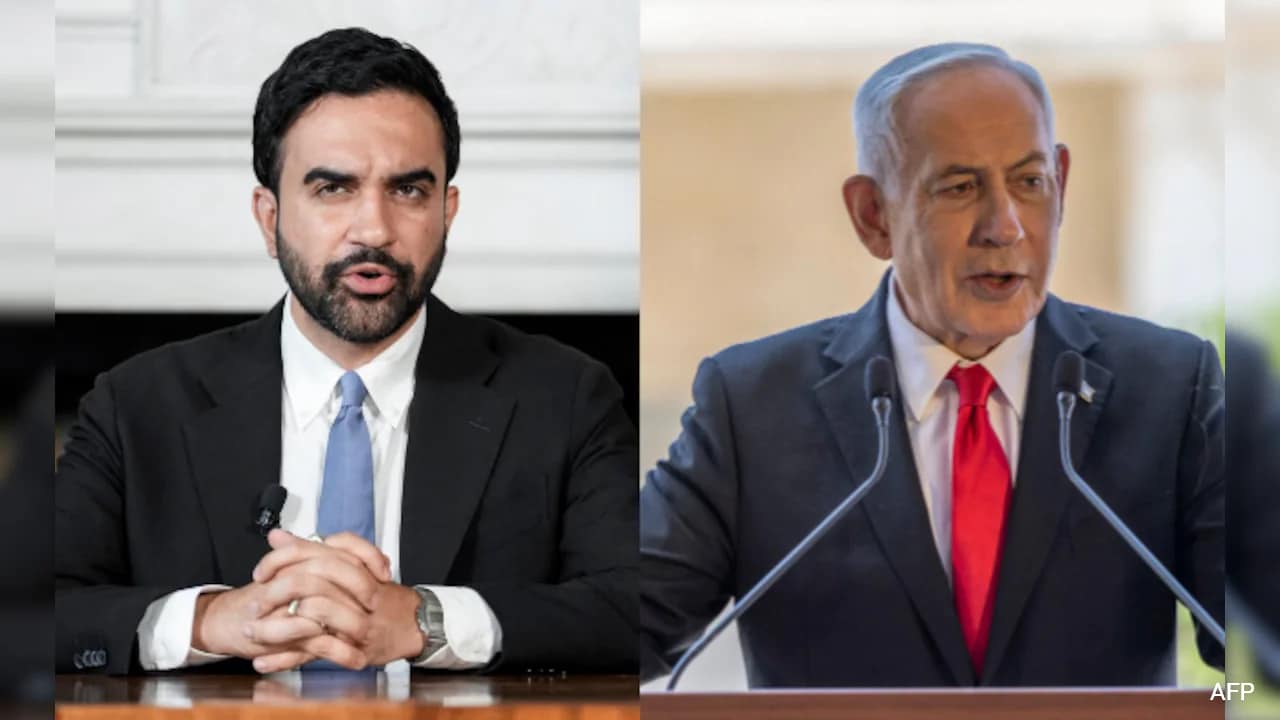
Words matter. When a major city mayor labels a visiting foreign leader an architect of genocide, diplomacy shatters instantly.
New York City Mayor Zohran Mamdani didn't mince words during a recent CNN interview, openly calling Israeli Prime Minister Benjamin Netanyahu a war criminal. Netanyahu fired back just as aggressively ahead of his United Nations General Assembly speech, branding Mamdani a Hamas supporter who incites local riots. This public brawl isn't just standard political theater. It highlights a massive collision between municipal governance and international geopolitics. Also making news in this space: Why Islamabad Keeps Misrepresenting Facts And What India Is Doing About It.
The Anatomy Of A Diplomatic Explosion
The feud intensified when Mamdani floated the idea of arresting Netanyahu if the Israeli leader stepped foot inside New York City. Everyone knew it was empty rhetoric. Mamdani admitted himself that local law enforcement holds no such authority over foreign heads of state visiting international bodies. Still, the statement set off a firestorm.
Netanyahu responded with a pointed video statement ahead of his UN address. He accused Mamdani of turning his back on Jewish New Yorkers and backing terrorists. Further insights regarding the matter are covered by Associated Press.
"Shame on you for supporting the Hamas terrorist monsters who butchered our people," Netanyahu declared.
This toxic exchange sits against a heavy backdrop. The International Criminal Court has pursued arrest warrants for Netanyahu over war crime allegations in Gaza—charges the Israeli government flatly rejects as politically motivated fabrications. Meanwhile, local tensions inside New York have reached a boiling point. Protests, counter-protests, and community division have turned daily city life into a pressure cooker.
Why This Feud Breaks All The Rules
Local mayors usually stick to potholes, municipal transit, and city budgets. Stepping into the Israeli-Palestinian conflict used to be third-rail territory for municipal leaders trying to maintain civic harmony. Mamdani refuses to play by those old rules. His progressive voter base expects vocal, unapologetic stances on global human rights issues, even if it alienates other powerful segments of the city.
Critics immediately jump to accusations of antisemitism whenever municipal officials criticize Israeli military actions. Mamdani denies this entirely. He maintains that opposing a foreign government's military strategy has nothing to do with hating Jewish people. Yet, the nuance gets lost in the shouting match. When Netanyahu accuses the mayor of fomenting hate and turning ethnic groups against each other, the rhetoric pushes past policy disagreements straight into deep personal hostility.
The Broader Global Reaction
Washington rarely stays out of these fights. President Donald Trump weighed in heavily, using his UN General Assembly platform to condemn the ICC as an out-of-control rogue institution. He urged member nations to resign from the court immediately. Trump's intervention protects Netanyahu from international legal pressure on US soil, leaving local leaders like Mamdani to fight diplomatic battles through microphones and television cameras.
The numbers driving this crisis remain staggering. Local health authorities report that tens of thousands of Palestinians have died during the ongoing military campaign in Gaza, a horrific toll that includes thousands of children. On the other side, the conflict trace back to the initial Hamas assault that killed roughly 1,200 people, mostly civilians. These numbers fuel the raw emotional energy driving every single statement made by politicians on both sides of the Atlantic.
What Happens Next On The Ground
If you live in New York, this clash means your local streets have become a proxy battleground for international disputes. City leaders are spending more time trading insults with foreign prime ministers than fixing municipal infrastructure.
Expect deeper political polarization across local districts. Pro-Palestinian activists feel validated having a mayor willing to use harsh labels against foreign leaders. Conversely, Jewish community groups and conservative opponents feel profoundly unsafe and alienated by rhetoric they view as dangerous incitement.
Watch how upcoming local funding votes and police deployments handle upcoming demonstrations. The words spoken on television studios and at the United Nations translate directly into street-level security challenges. Stop expecting politicians to tone down the noise. The line between international diplomacy and neighborhood politics has officially vanished.