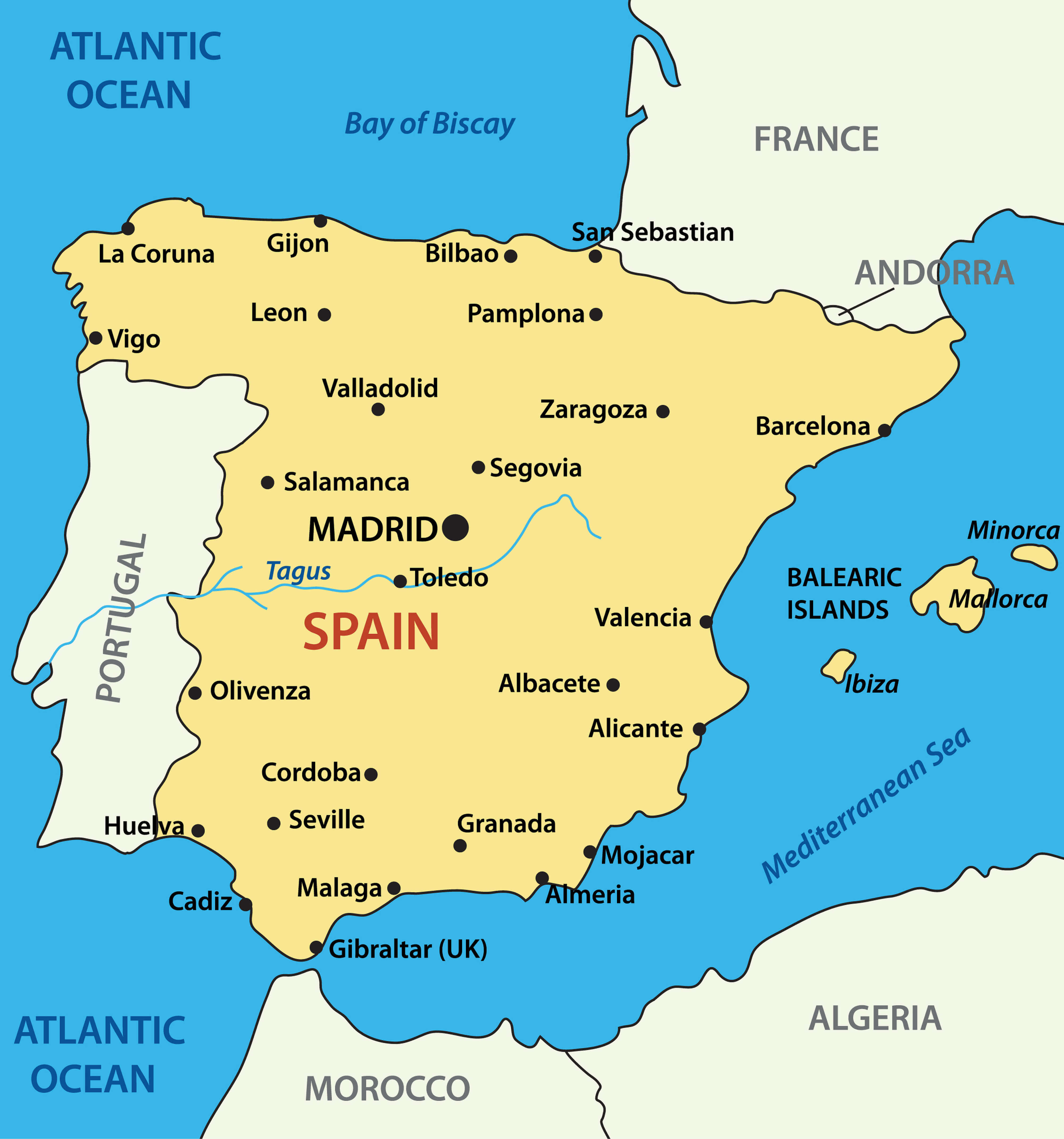
Tens of thousands of people rushed across a border, political insults flew across European capitals, and for a few days, it looked like the European Union's migration policy was about to collapse entirely.
Madrid and its European neighbors have finally buried the hatchet. Following an emergency ministerial videoconference, the bloc stepped back from the brink of a massive diplomatic fallout triggered by the sudden influx into the Spanish North African enclave of Ceuta. You might also find this connected story insightful: What Most People Get Wrong About Reform Uk And Social Housing.
If you missed how quickly this crisis escalated—and how fast diplomats walked it back—here is what actually happened behind closed doors.
The Breaking Point at the Border
The numbers were staggering. Around 72,000 people crossed from Morocco into Ceuta within a matter of days, completely overwhelming local infrastructure. Hospitals filled up. Streets packed tightly. Local authorities in the enclave screamed for a national emergency, while Spanish Prime Minister Pedro Sánchez faced furious local protests during his ground visit. As reported in latest coverage by USA.gov, the results are significant.
Critics abroad didn't hold back. Some capitals pointed fingers at Madrid, questioning Spanish border controls and even tossing around absurd threats about temporarily suspending Spain from the Schengen Area.
Madrid pushed back hard. Sánchez labeled the initial reactions from certain European partners as selfish, pointing out that Spanish security forces moved swiftly to stabilize the perimeter.
How Spain Regained Control So Fast
Nobody expected the turnaround to happen this quickly. Out of the tens of thousands who flooded into the enclave, Spanish officials confirmed that all but roughly 2,000 people have already returned to Morocco.
Coordination with Moroccan authorities played a massive role. Instead of letting the situation spiral into an unmanageable wave moving toward mainland Europe, Spanish authorities contained the movement strictly within the enclave, processed returns rapidly, and avoided a broader continental dispersal.
Yet, numbers on paper do not tell the whole story. Around 2,000 individuals remain behind in Ceuta, creating a localized humanitarian challenge. Among those stuck in limbo are displaced nationals from conflict zones, including Sudanese fleeing civil war, alongside Afghans and Palestinians. Local shelters are stretched thin, trying to process asylum claims and figure out what to do next.
The EU Emergency Response
Faced with mounting pressure from a 22-country initiative spearheaded by Italy and Denmark, the European Union scrambled to project unity.
During the emergency talks, the tone shifted dramatically from public finger-pointing to damage control. Brussels officials praised Spain's operational resilience. The bloc realized that fighting among member states only serves trafficking networks.
The joint declaration issued after the meetings focused on shared priorities:
- Cracking down hard on illicit smuggling rings operating across North Africa.
- Securing external borders against sudden, orchestrated surges.
- Re-evaluating internal EU solidarity mechanisms so border states don't feel left entirely on their own when sudden geopolitical pressures hit.
What Happens Next
The diplomatic storm has cleared for now, but the underlying tensions haven't vanished. Ceuta remains a vulnerable geopolitical flashpoint where African and European borders collide.
Madrid has managed to restore order and repair ties with Brussels, but the small remaining population in the enclave needs immediate, long-term solutions. Europe needs a reliable framework that prevents these sudden diplomatic fractures the moment a regional crisis erupts.
Keep a close eye on upcoming interior ministry briefings. That is where you will see whether this newfound European unity actually turns into permanent policy or if it is just another temporary truce.