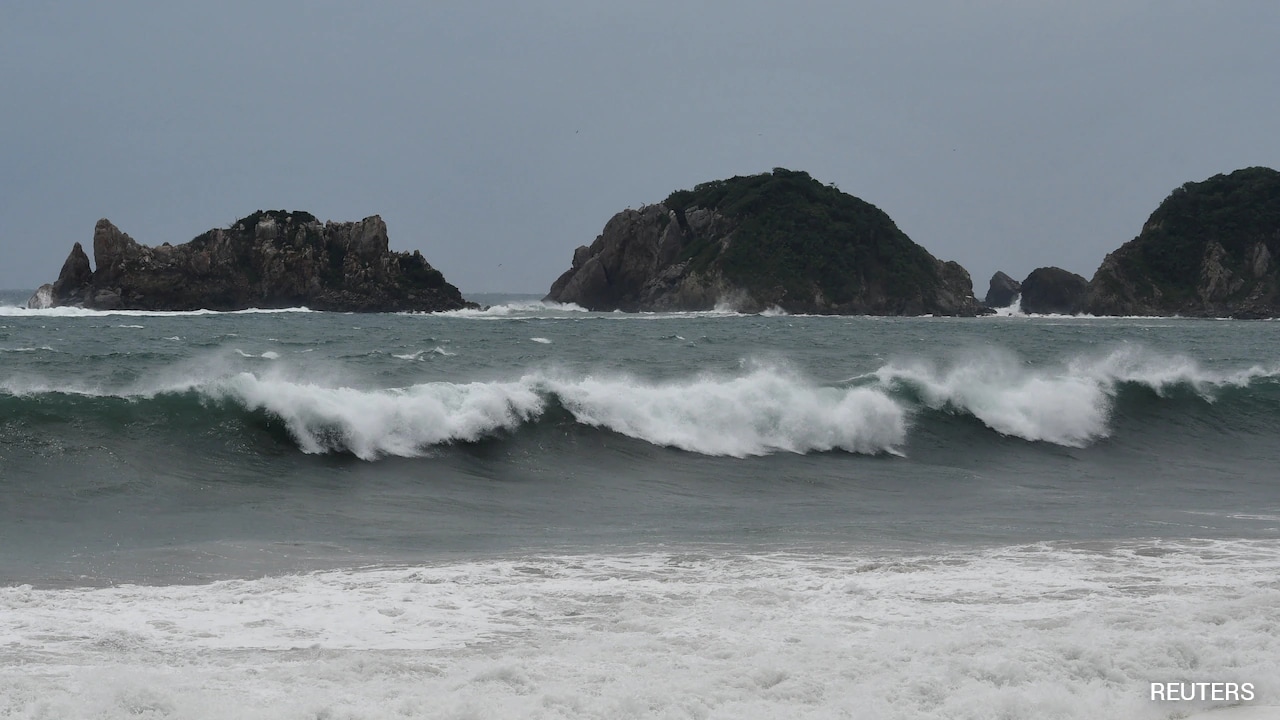
Coastal erosion isn't a distant threat for California anymore. It's happening right now, driven by a powerful warm phase in the Pacific Ocean that's reshaping the coastline faster than cities can reinforce it. If you've walked along the sand in Orange County recently, you've probably noticed entire sections of beach missing, swallowed by aggressive tides months before the traditional storm season even peaks.
Scientists and disaster modelers at firms like Climate X estimate that this climate pattern could trigger between $2 billion and $3 billion in property and infrastructure losses statewide. That's a massive jump from the historical average of $500 million a year in flood damages. Why is the risk spiking so dramatically? It comes down to a potent combination of oceanic physics and shifting atmospheric rivers that target the West Coast with relentless heavy surf.
Underwater pressure pulses known as Kelvin waves are currently marching across the Pacific. Generated by persistent wind shifts, these massive subsurface waves raise sea levels by up to 16 inches on their journey. When they collide with extreme winter storms and high astronomical tides, coastal communities face unprecedented water heights. We saw a preview of this in early September when the remnants of tropical storms slammed Southern California, erasing beaches and leaving multi-million-dollar oceanfront homes teetering on crumbling bluffs.
The Wildfire Connection Nobody Talks About
Rising sea levels and high surf are only half the battle. If you live inland near recent burn scars, your danger profile looks entirely different.
When wildfires strip hillsides of vegetation, the earth loses its natural anchor. Soil turns into a slick, hydrophobic surface that refuses to absorb rainfall. When heavy downpours hit these slopes, water cascades down canyons instantly, turning ordinary streets into fast-moving rivers of mud.
Disaster experts point out that mud floods and rock slides pose an immediate threat to canyon roads. In places like Malibu, emergency management teams are actively warning residents to stock up on weeks of supplies because a single major slide can cut off access points completely, trapping neighborhoods behind walls of debris.
What Communities Are Doing to Prepare
State and local agencies aren't sitting idle. Governor Gavin Newsom declared a statewide emergency to clear bureaucratic red tape, allowing transportation officials to fast-track levee repairs, bridge protections, and channel-widening projects.
Local municipalities are scrambling to save what they can. In Carlsbad, engineers are racing to shore up eroding bluffs before the next big swell hits. Meanwhile, public safety officials are holding workshops to teach residents how to navigate the unique perils of an active El Nino winter.
You can't stop the ocean from rising or the rain from falling, but you can control your preparedness level. If you own property near a coastal cliff or a vulnerable wildfire burn scar, check your insurance policy immediately—standard homeowner policies rarely cover flood or mudslide damage. Keep emergency kits stocked, monitor local evacuation warnings closely, and don't wait until water is lapping at your doorstep to take action.