Political rhetoric often stretches reality, but few figures command headlines quite like Donald Trump when he starts talking about global conflicts. He recently asserted that the devastating Russia-Ukraine war would never have happened if the 2020 presidential election hadn't gone the way it did. On top of that bold statement, he claimed credit for stopping eight separate international conflicts during his political career, framing his administration as a masterclass in deterrence.
You hear these sweeping declarations all the time, but unpacking the mechanics behind them requires looking past the soundbites. Let's look at what's actually driving these claims, how they connect to ongoing hotspots like the Strait of Hormuz, and why foreign policy observers remain intensely divided over his track record. In related news, we also covered: Why Trump Wants To Wait Until The Ukraine War Ends Before Meeting Putin Again.
The 2020 Election Narrative and the Ukraine Question
The core of Trump's argument relies on a counterfactual hypothesis: that his personal rapport with world leaders like Vladimir Putin kept aggressive foreign maneuvers frozen between 2016 and 2020. According to his public statements, the shift in American leadership fundamentally altered the geopolitical balance, encouraging adversaries to test boundaries they wouldn't have dared cross under his watch.
Critics point out that attributing complex geopolitical events like the invasion of Ukraine entirely to a single domestic election ignores deep-seated historical grievances, regional security architectures, and nationalist ambitions that have brewed for decades. Yet, supporters argue that unpredictable leadership and a willingness to upend diplomatic norms create a deterrent effect that conventional politicians lack. Whether you view this perspective as strategic genius or dangerous posturing, it remains a cornerstone of his foreign policy messaging. USA.gov has provided coverage on this fascinating topic in extensive detail.
The Claim of Eight Stopped Wars
Claiming to have halted eight distinct military conflicts is a massive statement that immediately invites scrutiny. While official records don't neatly categorize or verify an exact tally of "eight stopped wars," foreign policy analysts generally point to several high-tension flashpoints where the Trump administration claimed credit for de-escalation:
- The standoff with Iran following various proxy clashes in the Middle East.
- Tensions on the Korean Peninsula prior to the historic summits with North Korean leadership.
- Trade and border skirmishes in various secondary theaters where active conflict was narrowly averted.
Trump frequently emphasizes that some of these situations were far more volatile than the current crises making headlines, requiring aggressive economic sanctions and direct warnings to force adversaries back from the brink. Detractors counter that many of these crises were exacerbated by maximum-pressure campaigns in the first place, creating self-fulfilling cycles of tension rather than genuine peace-building.
The Strait of Hormuz and Energy Security
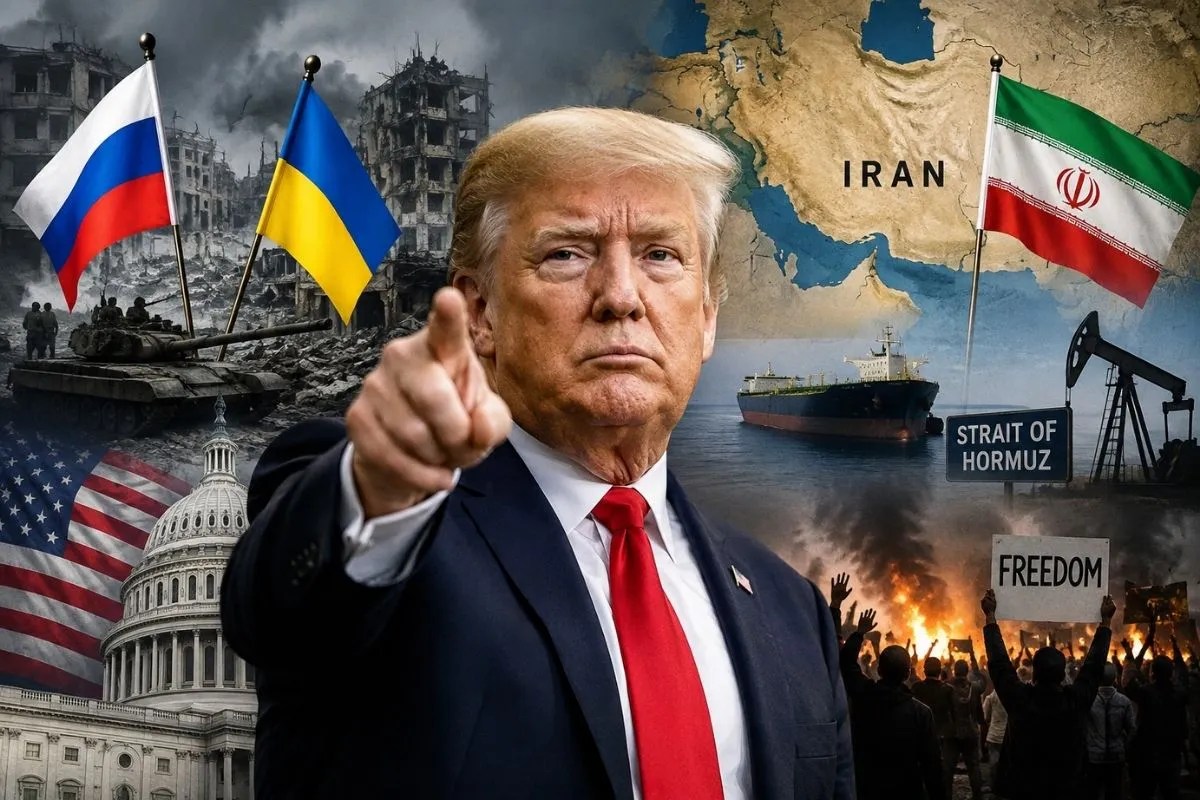
You cannot talk about modern American foreign policy in the Middle East without addressing the vital shipping lanes that keep global economies supplied with crude oil. Trump has openly discussed American posture around the Strait of Hormuz, highlighting ongoing naval patrols, the clearing of underwater mines, and the constant threat of drone interceptions by regional actors.
Keeping oil transit routes open while managing a hardline stance against Tehran creates a delicate balancing act for global markets. Energy prices fluctuate wildly whenever rhetoric turns hostile, and statements regarding territorial dominance over critical maritime passages send immediate shockwaves through international stock exchanges. The underlying objective remains straightforward from Washington's perspective: preventing any hostile regime from acquiring nuclear capabilities while maintaining uninterrupted flows of petroleum, regardless of the diplomatic fallout.
Looking Ahead at Global Stability
Geopolitical stability rarely bends to the sheer will of a single leader, no matter how loud the megaphone. As world powers continue to navigate the fallout from ongoing European conflicts and volatile Middle Eastern flashpoints, the debate over deterrence versus diplomacy will only intensify.
Evaluate these claims by looking at actions rather than campaign trail rhetoric. Real diplomacy involves intricate intelligence, coalition building, and economic leverage that rarely fits neatly into a soundbite. Keep a close eye on how international alliances shift in the coming months, because the next crisis won't wait for an election cycle to resolve itself.