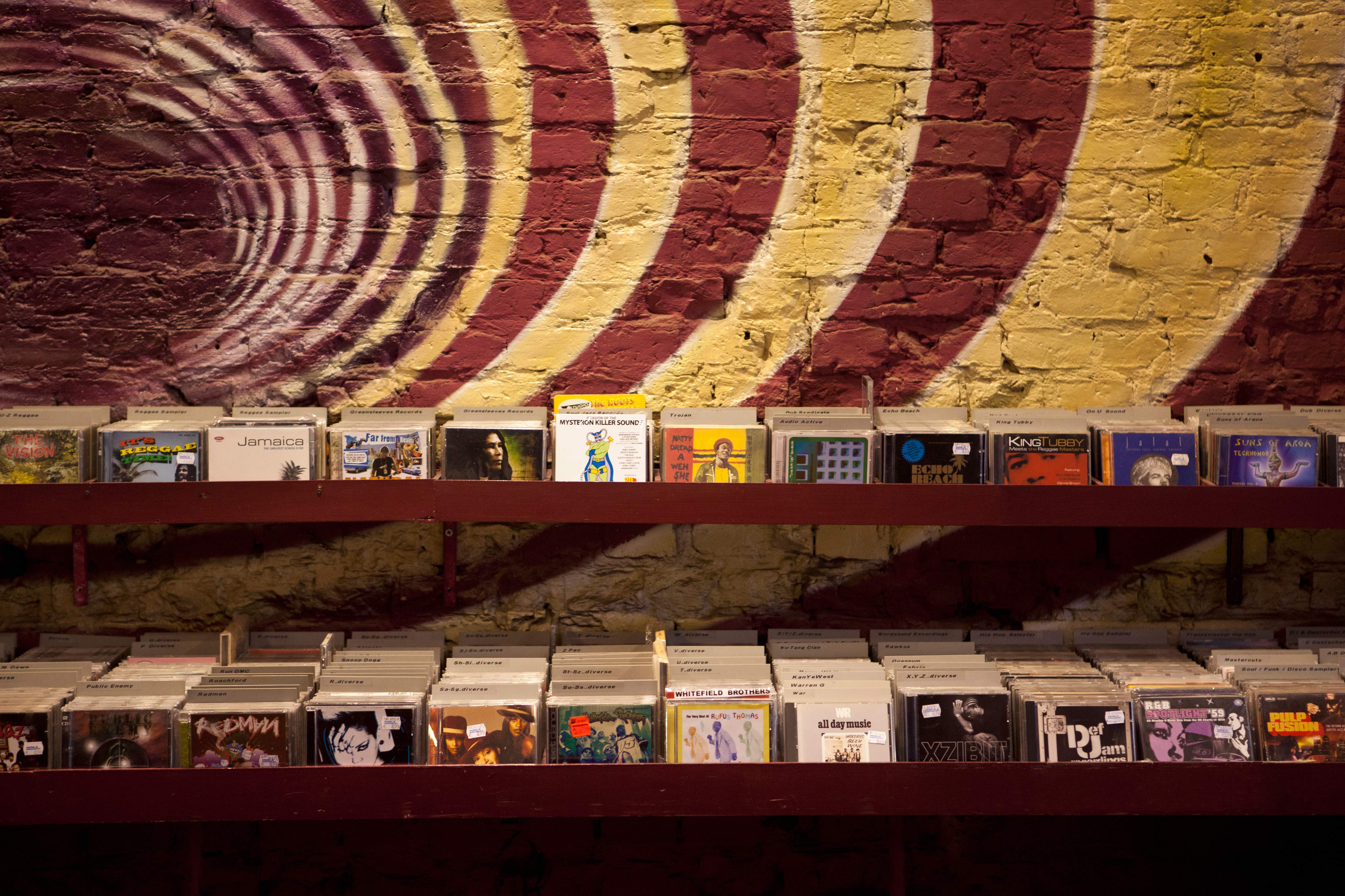
Headlines blare that compact discs are back from the dead. Industry reports point to double-digit sales surges. You might picture millennials and Gen Z standing in long lines at local record shops, clutching shiny silver plastic jewel cases just like it is 1998. Stop right there. That picture is entirely wrong.
If you dig past the surface press releases from organizations like the Recording Industry Association of America or Luminate, you find a much more mundane reality. CDs aren't staging a grand cultural rebellion against streaming platforms. Instead, a clever marketing trick is pulling strings behind the scenes.
The Math Behind the Illusion
Percentages lie when raw numbers are small. A sixty percent jump sounds massive until you realize you are growing from a tiny baseline. Total US compact disc sales hover around sixteen million units annually. Compare that to the hundreds of millions of active streaming subscriptions playing billions of tracks every single day. The format remains a niche corner of the overall audio market.
Look closely at what is driving those units. It is not casual listeners dusting off old Sony Discmans. It is superfans buying multiple variants of the same album.
The Variant Trap
Record labels figured out a brilliant psychological hack. If you release an album with five different collectible covers, custom photo cards, and exclusive bonus tracks, dedicated fans will buy all five. K-pop powerhouses mastered this years ago, pushing albums into consumers' hands multiple times over. Pop stars in North America quickly copied the playbook.
When a single buyer purchases ten copies of the exact same release just to collect every colorway, sales charts spike. That does not mean everyday listening habits have shifted back to silver discs. It means merchandise strategy changed. You are buying collectibles, not playback music.
Nostalgia Versus Utility
People love the idea of physical ownership. Streaming services can pull an album from their catalog whenever licensing deals expire. Your digital library can vanish with a revoked account password. That fear drives a real craving for tangible goods.
Yet, when given a choice of what physical format to display on a shelf, vinyl wins by a landslide. Vinyl offers oversized artwork, a ritualistic needle drop, and aesthetic warmth that looks great on social media. CDs sit in standard plastic boxes that cracked easily back in the day and feel utilitarian now.
If you want actual high-resolution audio convenience, modern lossless streaming towers over standard compact discs anyway. You get master-quality audio directly on your phone without swapping discs in your car dashboard.
The Canadian Reality Check
Data north of the border exposes how fragile this supposed boom really is. Canadian sales numbers flatline or dip slightly year-over-year despite aggressive variant marketing campaigns. The format's long slide slowed down, but the downward drift never turned into a rocket ship.
If you love hunting through thrift store bins for cheap nineties rock albums, keep doing it. Second-hand hunting is fun and affordable. Just don't mistake marketing stunts for a cultural revolution. The compact disc is sticking around for die-hard collectors, but the mainstream world moved on for good.