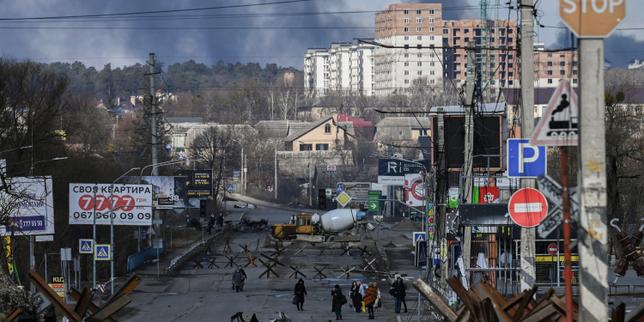
Writing fiction about an active war while sitting thousands of miles away in safety feels inherently uncomfortable. Most authors freeze up, turning the raw horror of conflict into overly solemn, sterile monuments of tragedy. Then there is Maria Reva. Born in Ukraine and raised in Canada, Reva decided to approach the 2022 Russian invasion with an inventive narrative structure that mixes dark comedy, bizarre subplots, and stark reality. Her novel, translated into French as Dernier spécimen connu, disrupts how we expect literature to handle contemporary conflict.
If you want a conventional, chronological war report, look elsewhere. Reva's book shatters expectations from page one.
The Absurdity of Life Before the Sirens
The setup sounds like a screwball comedy script. Yeva is a maverick scientist traversing Ukrainian forests trying to breed rare, endangered snails—creatures that are essentially the last of their kind. To fund her conservation work, she acts as a guide for Western romance tours, entertaining foreign bachelors looking for wives. Meanwhile, two sisters named Nastia and Solomiya infiltrate the exact same matchmaking industry to track down their missing mother.
Their paths cross into a wild plan: kidnapping a van full of unsuspecting foreign bachelors to expose the machinery of exploitation. Then, reality intervenes. On February 24, 2022, the invasion begins. The comedy doesn't disappear; instead, it collides violently with air raid sirens, shelling, and sudden displacement.
Reva captures a profound truth about modern life under threat. War doesn't arrive by canceling everyday absurdities. It crashes right into them. People keep arguing about petty things, chasing strange obsessions, and trying to protect rare animals even as the ground shakes.
Metafiction and the Guilt of the Expatriate
What makes Reva’s book truly inventive isn't just the plot. It's the structural risk she takes halfway through. In a stunning narrative pivot, the book simulates an abrupt ending complete with acknowledgements and author bios, only to plunge the reader into a metafictional crisis.
A fictionalized version of Maria Reva appears in the text, holed up in her parents' attic in Canada. She wrestles with paralyzing guilt. How do you write a comedy about romance tours and endangered snails while your homeland burns? How do you process survivor's remorse from a safe distance while your grandfather refuses to leave his home in besieged Kherson?
This self-awareness saves the novel from feeling exploitative or detached. Reva doesn't pretend to be on the front lines. She interrogates her own position as an expatriate writer, exposing the friction between the reality of war and the sanitized versions consumed abroad.
Why This Book Matters Now
We are saturated with media coverage that flattens human beings into casualty statistics. News segments reduce countries under attack to maps with arrows and burning ruins. Novels that deal with these topics often overcorrect by stripping characters of their humor, flaws, and eccentricities.
Reva refuses that flattening. Her characters argue, scheme, act selfishly, and make terrible decisions right up until the moment history forces them to pivot. They feel entirely real because they aren't written as saints or martyrs. They are just people trying to hold onto their routines as the world breaks apart.
If you're tired of predictable storytelling that treats human suffering with cookie-cutter solemnity, pick up Reva's work. Pay attention to how she blends humor with devastation. Examine the discomfort she forces you to feel when fiction bleeds directly into real-world tragedy. Don't expect easy answers or neat resolutions, because real life doesn't offer them either.