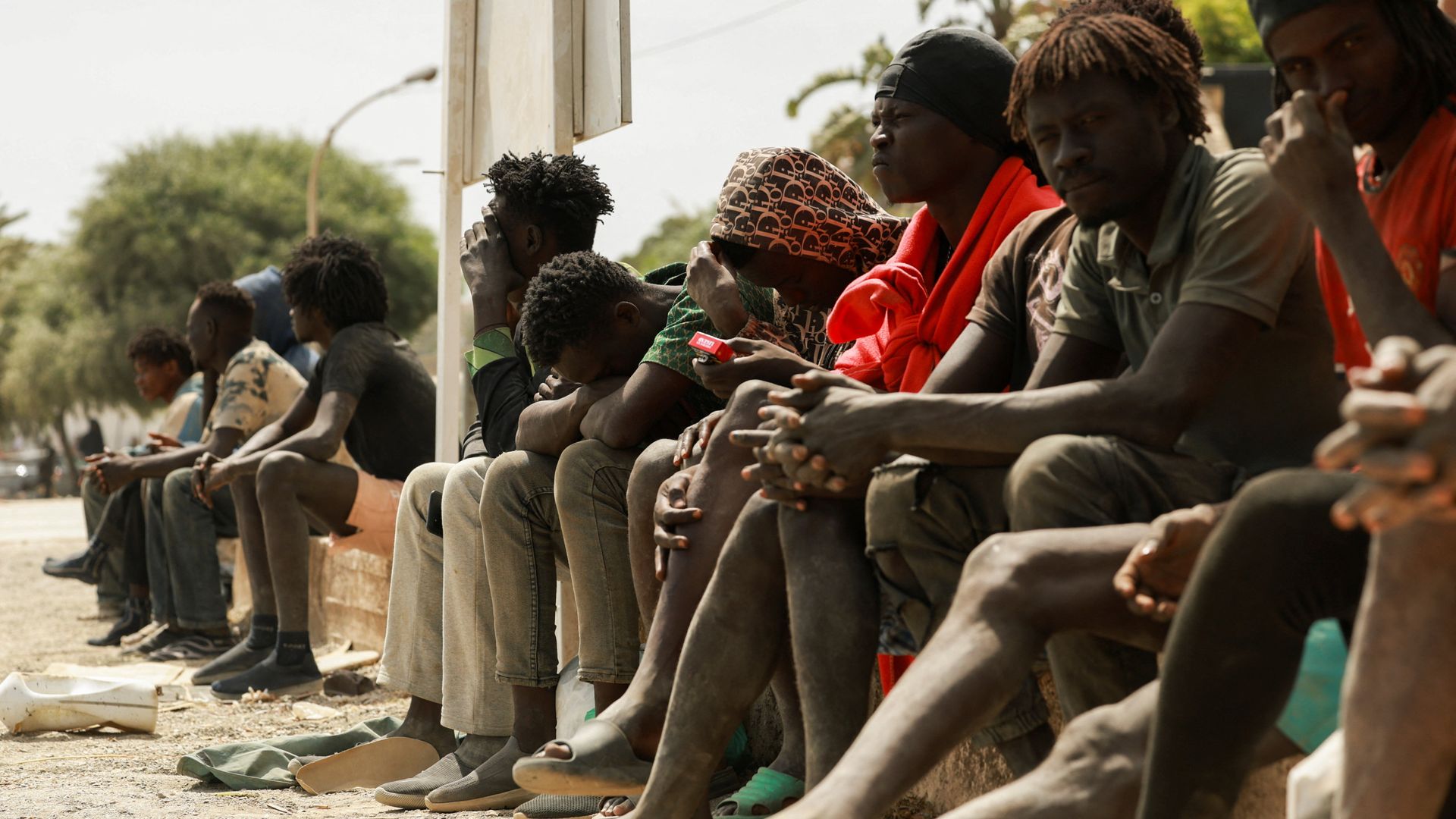
The tiny Spanish enclave of Ceuta is currently a powder keg. If you’ve been following the news, you’ve seen the numbers—tens of thousands of people rushing a border that was never built to hold them. But the official headlines miss the human reality and the geopolitical chess match playing out on the sands of El Trampolin beach.
Right now, between 3,000 and 5,000 migrants remain trapped in this small territory. They’re sleeping on beaches, in parks, and near mosques. They aren't just statistics. They are people who braved the Mediterranean, dodged patrol boats, and climbed breakwaters, only to find themselves stuck in a city that’s completely overwhelmed.
The Reality on the Ground
If you've ever stood at the border of Ceuta, you know it’s claustrophobic. It’s an autonomous Spanish city on the coast of North Africa. When 60,000 people enter a territory of only 85,000 residents in under 24 hours, the math simply doesn't work.
The infrastructure has collapsed. Local officials are scrambling to process 862 unaccompanied minors who have special legal protections, meaning they can't just be sent back. The adults? They’re facing a grim reality. Many who stayed found that local shops were closed, leaving them without food, while tensions with locals spiked. It’s a humanitarian disaster, not just a border issue.
Why This Surge Happened Now
Don't buy the "random event" narrative. This crisis has roots that go deep into legal and social shifts.
Earlier this year, the Spanish Supreme Court made a ruling that essentially blocked the "hot return" of migrants intercepted at sea. In practice, this meant that if you made it to the water, you were harder to deport. Social media caught fire with this information. Human trafficking networks—groups that honestly don't care about the lives they’re risking—capitalized on this instantly.
Morocco’s role here is the quiet elephant in the room. While official channels speak of "coordination," intelligence reports suggest Moroccan border surveillance didn't just fail; it vanished during the peak of the rush. Was it intentional? Rabat hasn't provided a straight answer, but anyone who remembers the 2021 incident knows that migration is often used as political leverage in these waters.
The Deadly Cost of the Crossing
The human toll is devastating. At least 72 people have been confirmed dead on the Spanish side alone, with others lost at sea or crushed against the barriers.
When you hear about people swimming around breakwaters, realize how dangerous that is. The currents are unpredictable. The concrete barriers are jagged. People were desperate enough to risk everything, fueled by the hope that crossing the line meant reaching Europe. They were met with a wall of bureaucracy and an exhausted local police force that literally couldn't process them fast enough.
What Happens Next
The Spanish government is in a bind. They’re trying to speed up deportations for those who don't qualify for asylum, while simultaneously dealing with an EU that is, quite frankly, split down the middle on how to help.
If you are looking for what comes next, watch these three things:
- Diplomatic Friction: Spain is demanding reciprocity from EU partners. If they don't get it, expect the rhetoric in Brussels to turn even sharper.
- Reception Infrastructure: The "collapsed" centers aren't being magically replaced. The tent cities on the beach are a temporary patch on a systemic failure.
- Border Enforcement: You’ll see more physical barriers—likely buoys and increased patrols—at the Tarajal crossing to prevent this from repeating next week.
Don't expect a quick fix. This isn't just about border security; it's about the limits of what a small, isolated territory can absorb. If the status quo continues, the pressure on Ceuta will only mount. Keep an eye on the EU interior ministers' upcoming meetings; that’s where the real policy shift will happen, for better or worse.