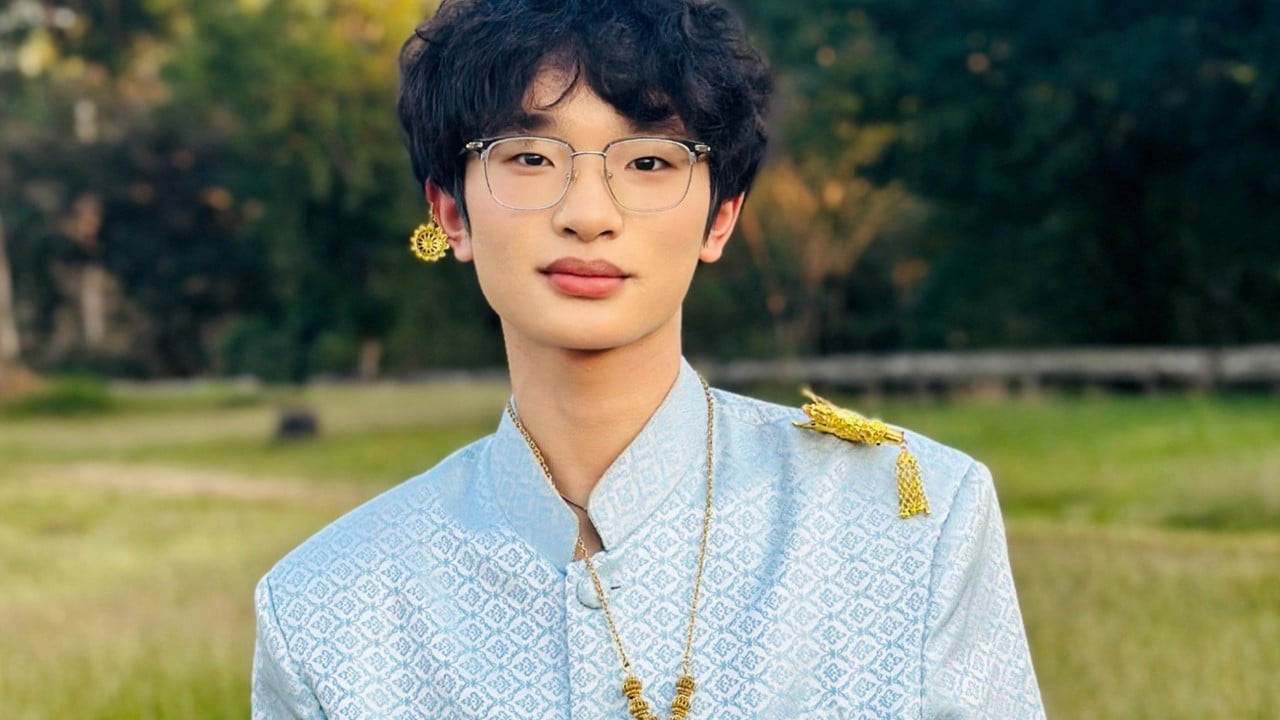
You probably remember Zhong Meimei as the sharp-tongued kid who ruthlessly parodied schoolteachers back in 2020. He was 13, living in Hegang—a fading, ice-cold coal town in northeastern China—and pulling in millions of views with nothing but a smartphone and a terrifyingly accurate grasp of passive-aggressive adult behavior. Netizens called him an imitation genius.
Then, the internet moved on to the next viral trend. Or so everyone thought. You might also find this similar coverage insightful: How Sean Connery’s Family Is Building A New Film Hub In Edinburgh.
Zhong just shattered the standard influencer trajectory. At 19, he announced his admission to Boston University. Here is the kicker: he is funding the entire 3 million yuan (around US$430,000) tuition and living cost out of his own pocket. No wealthy backers, no massive corporate agency taking an 80% cut, and absolutely no financial help from an abusive father he cut out of his life years ago.
This isn't just a feel-good story about a viral kid making good. It is a masterclass in creator independence, long-term strategic thinking, and breaking the cycle of domestic trauma. As highlighted in latest coverage by The Hollywood Reporter, the results are notable.
The Million Yuan Temptation He Smarterly Swiped Left On
Most viral creators burn out fast. They get a taste of fame, sign the first predatory contract shoved in their face, and spend the next three years churning out low-effort sponsored content until their audience grows numb.
Zhong almost went down that road. Right after his initial explosion into fame, a multi-channel network (MCN) waved a contract worth 1 million yuan per year in front of his face. To a teenager from a low-income household in an economically depressed city, that kind of cash looks like a lottery win.
He walked away.
Think about the sheer maturity it takes to reject that money at 13. He realized that signing with an agency meant trading his long-term freedom for a fixed salary while corporations milked his likeness. He bet on his own brain instead. He focused on finishing high school, handled his own branding alongside his mother, Wu Qiong, and eventually co-founded his own media company.
He didn't want a quick payout. He wanted a career. By keeping his operation independent, he saved enough online earnings to pay for an elite American education while fully supporting his mother and younger sister.
Building a Fortress Against Domestic Trauma
Behind the hilarious parodies of scolding teachers lay a chaotic household. Zhong has been open about the physical abuse his father inflicted on his mother, which once left her with fractured bones. The domestic violence eventually led to a divorce, but the harassment didn't stop there. His father kept pounding on their door and spamming their phones.
On a Chinese television program, Zhong openly wept, stating his family was completely whole without a father figure.
His drive to monetize his talent wasn't born out of vanity. It was a survival mechanism. He needed to become the economic anchor of his household to shield his mother and sister from future vulnerability.
Many people view content creation as a shallow pursuit of validation. For Zhong, building a nine-million-follower empire across Chinese social platforms was the only logical way to construct a wall of financial security around the people he loved.
Escaping the Content Creator Trap
There is a glaring lesson here for the modern creator economy. High school grades don't define your ceiling, and algorithmic fame doesn't have to be a dead end. Zhong openly admits he isn't an academic prodigy. His grades are average. But he understands something that highly intellectual scholars often miss: attention is the ultimate leverage, but education scales that leverage.
Going to Boston University isn't about getting a piece of paper to show off on social media. It is about expanding his worldview so his content doesn't stagnate. He managed to transition from a childhood novelty act into a self-funded international student by treating his internet fame as venture capital for his own life.
If you are trying to build an independent brand or scale your own creative business, take a page out of his playbook. Stop looking for a corporate savior or a quick agency contract to legitimize you. Own your platform, manage your capital conservatively, and invest the profits directly back into your own skill set. Real autonomy means nobody can tell you when your fifteen minutes of fame are up.