Democracy in southern Africa often walks a tightrope, and right now, the balance is slipping in Lusaka. When national votes wrap up, you expect a tense waiting game for ballot tallies. What you don't expect is a midnight sweep hauling away leading opposition figures under the broad banner of state security.
That is exactly what happened during the recent presidential and parliamentary showdown. As the Electoral Commission of Zambia worked through a sluggish count with President Hakainde Hichilema taking an early lead, security forces targeted critics. It's a heavy-handed playbook that leaves observers wondering if the nation's hard-won democratic reputation is fracturing.
The Reality Behind the Crackdown
Let's look at what's actually happening on the ground. President Hichilema came to power promising economic renewal and a clean break from past authoritarian tendencies. He inherited a massive debt crisis that required immense fiscal discipline. Yet, political survival often brings out old habits.
When major challengers like Brian Mundubile face intense pressure, with reports of heavily armed personnel moving around key residences, the political atmosphere sours instantly. The government defends these actions by citing threats to public order. Critics see an administration terrified of losing its grip as partial returns roll in.
You have to ask whether economic reforms can truly succeed when civil liberties take a backseat. Human rights monitors have flagged shrinking civic space in Zambia for months. Arresting key political actors right when transparency matters most creates an atmosphere of fear.
Why This Election Feels Different
Every vote is billed as a referendum on the incumbent, but this cycle carries unique weight for the copper-producing powerhouse.
- Economic stakes remain punishingly high for ordinary citizens.
- Trust in independent state institutions is wearing thin.
- Security responses to dissent mirror the very past regimes Hichilema once fought against.
When opposition figures are forced into hiding or detained under vague security pretexts, it delegitimizes the final count. People want clean numbers and fair competition. They don't want midnight raids that turn political competition into a criminal enterprise.
What Comes Next for the Region
The fallout from these arrests will ripple well past the borders of Lusaka. International observers are watching closely to see if regional bodies like SADC will step in or stay silent. If governments across the region normalize locking up rivals during vote tabulation, democratic backsliding becomes the default setting.
Keep an eye on official updates from the electoral commission, but don't ignore the silence left by silenced voices. True political stability requires letting the ballot box speak without the shadow of a police cell hanging over the losers.
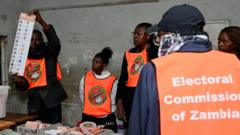
Zambia Elections: Vote Counting Resumes After Suspension
This video provides a first-hand look at the live updates and context surrounding the tense vote counting process in Zambia.
http://googleusercontent.com/youtube_content/1