War doesn't always end with a massive treaty. Sometimes it shifts in the mud and dust of a contested mountain pass, where a single broken siege can change the momentum of an entire decade.
If you've been following the grinding conflict in Yemen, you know that Taiz has long been the bleeding heart of the country's civil war. Splitting at the seams since 2015, this third-largest city has lived under a suffocating rebel chokehold. But recent clashes changed the script. Yemeni government forces, backed by local tribal allies, didn't just hold their ground—they punched back hard, recapturing vital territory in the western and southern sectors from Houthi fighters.
Let's break down what actually happened on the ground and why this push matters.
The Strategic Battle for Taiz
Taiz isn't just another dot on a map. It's a heavily populated urban center caught in a brutal vise grip. For years, Houthi forces kept the city squeezed tightly, cutting off main supply arteries. Food, medical supplies, and fuel became luxuries guarded by checkpoints and sniper fire.
Recently, the rebels tried to tighten that noose even further. They launched aggressive maneuvers aimed at reinforcing their encirclement around the city outskirts. That gamble backfired.
Major General Abdulaziz al-Majeedi, the chief of staff of the Taiz military axis, confirmed that government troops and allied local fighters intercepted the offensive. Instead of bracing for impact, the army went on the counter-offensive. They reclaimed several key strategic positions in the western and southern sectors, driving the insurgents away from their forward operational bases.
Heavy Casualties and Real Ground Realities
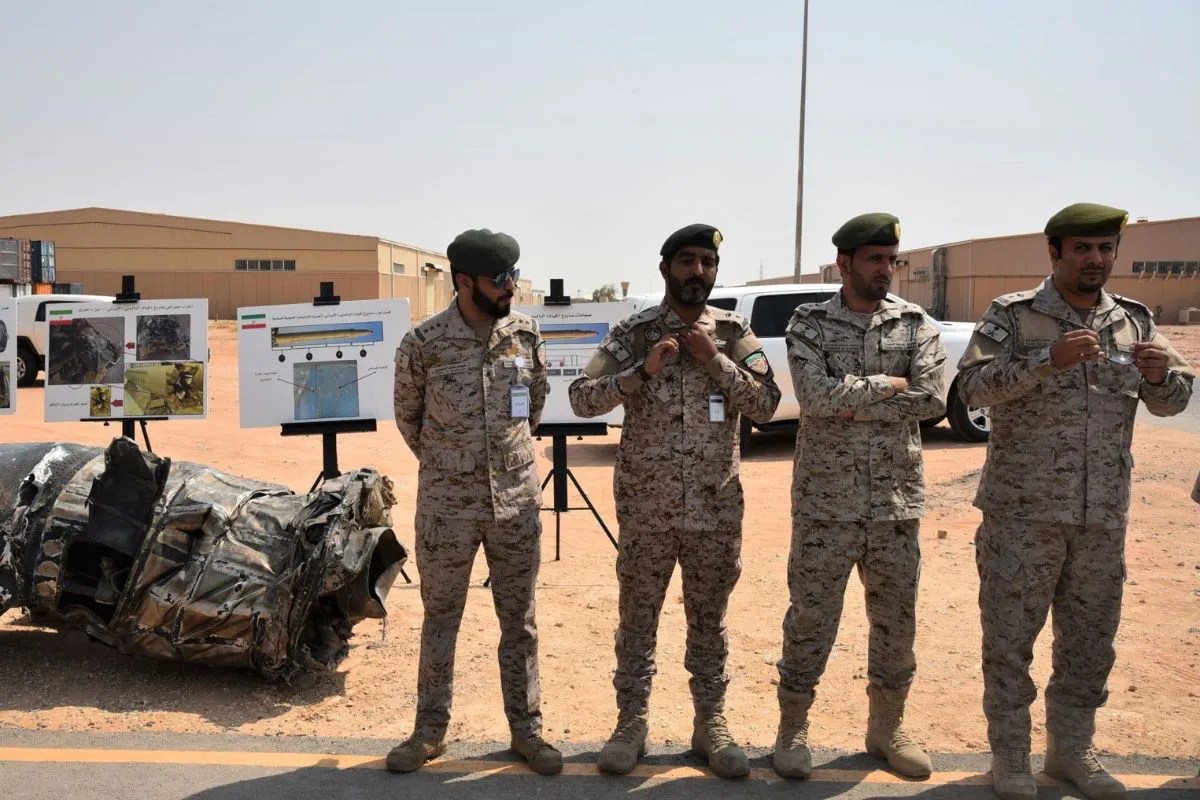
Military reports indicate that the clashes weren't small skirmishes. The counter-attack inflicted substantial personnel and material losses on the Houthi ranks. Insurgents left behind damaged equipment and scattered positions as government units pushed forward.
For the residents trapped inside Taiz, every square mile liberated means a tiny breath of fresh air. The blockade has starved the city of normal daily commerce for years. When rebel forces try to advance and fail, it usually signals a temporary relief in civilian anxiety—though the underlying humanitarian crisis remains staggering.
Major General al-Majeedi emphasized that the operation went far beyond a standard defensive posture. It was an active pushback designed to break the creeping siege and reclaim vital high ground. Tribal allies played a crucial role in securing the recaptured terrain, proving that local resistance remains a potent variable against insurgent expansion.
Why This Shift Matters Now
Yemen's broader conflict is a tangled web of shifting alliances, regional proxy tensions, and exhausted populations. While international headlines often focus on maritime shipping lanes or high-level diplomatic friction, the ground war in cities like Taiz dictates the actual survival of millions.
When government forces manage to push back well-entrenched rebel units, it alters local power dynamics. It injects a dose of morale into an army that has spent years fighting uphill against a persistent adversary. At the same time, it forces Houthi commanders to recalculate their supply lines and deployment strategies across the southwestern front.
Don't expect the war to vanish overnight. The underlying fractures run too deep for a single successful counter-offensive to solve everything. But for now, the lines have moved, the rebels have retreated from newly contested pockets, and the human cost of this brutal civil war has found a new, fiercely defended boundary.