Yemen’s internationally recognized government isn't sitting back anymore. Rashad al-Alimi, head of the Presidential Leadership Council, just dropped a major military announcement, kicking off a sweeping counteroffensive aimed at taking back territory controlled by the Iran-backed Houthi movement.
If you've been watching the frontlines shift over the past month, you know this escalation has been brewing. The Houthis recently managed to sever the main supply route linking Taiz to the interim capital of Aden, effectively tightening a chokehold on a city that's already seen years of brutal blockades. Government forces had to respond, or risk losing their foothold entirely in the country's rugged highlands.
What Triggered the New Yemen Offensive
Months of simmering clashes finally boiled over. The Houthis launched aggressive ground advances across multiple governorates, capturing key strategic districts and pushing deeper into contested territory. Civilians are paying the highest price, as supply lines vanish and humanitarian conditions worsen by the day.
Faced with losing vital ground, the leadership council decided enough is enough. Operation "Dawn of Yemen" officially started with a massive aerial and ground campaign.
The Air and Ground Strategy Unfolding Now
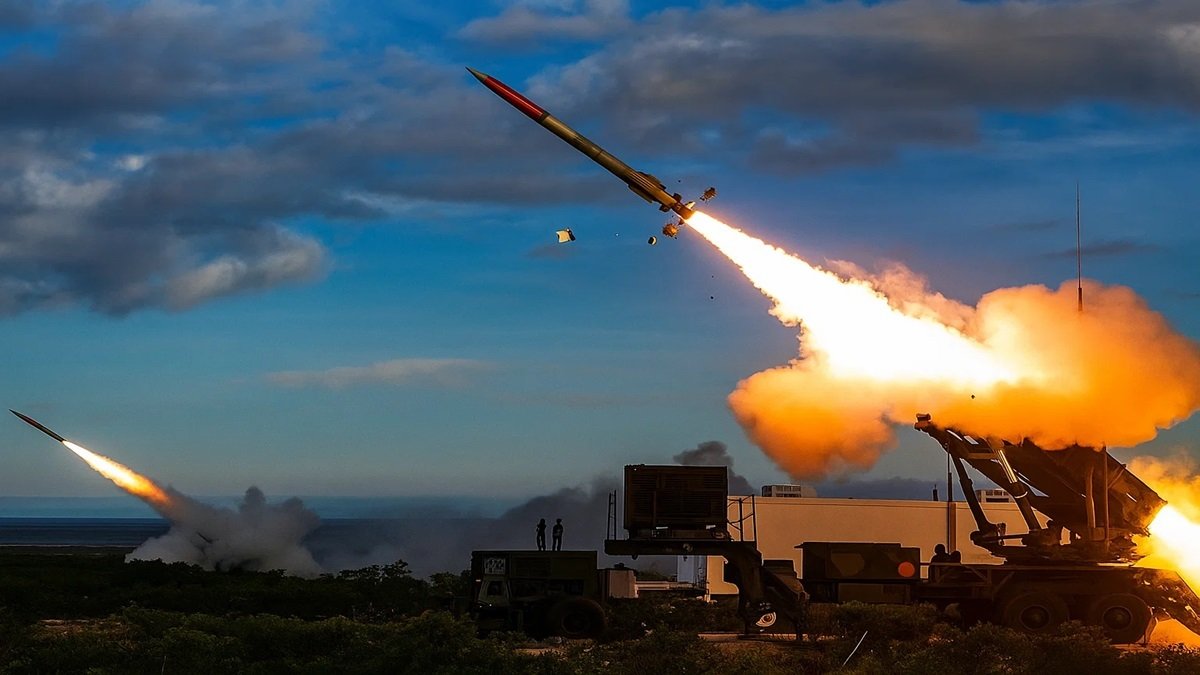
Military spokesmen reported over a thousand strikes hitting Houthi artillery, rocket launcher sites, logistics hubs, and supply lines. Riyadh didn't sit this one out either. The Saudi-led coalition deployed around 100 fighter jets to provide round-the-clock air support for ground troops pushing from multiple fronts in the north, west, and south.
Government forces claimed control over vital positions near the Bab al-Mandeb strait and around Dhubab, trying to secure coastal corridors and choke off Houthi reinforcement paths. At the same time, a strategic offensive targeting Sanaa—the capital held by the Houthis since 2014—started flashing across local news reports as explosions rocked parts of the governorate.
The Brutal Reality on the Ground in Taiz
While military commanders map out strategies from secure command rooms, residents in Taiz face an impossible reality. The Houthi encirclement cut off the lifeline connecting the city to Aden.
Families can't easily pack up and leave. Many are staring down a grim choice of staying put behind defensive positions or risking dangerous transit through active combat zones. Local residents interviewed by reporters made their stance painfully clear: they plan to stay and defend their homes because fleeing has become nearly impossible.
What This Means for Regional Stability
This isn't just a localized skirmish. It's a dangerous escalation that threatens international shipping lanes near the Red Sea and pulls regional actors right back into a war many hoped was permanently frozen.
Iran's backing of the Houthis has kept the group well-supplied with advanced weaponry, drones, and missiles. Yet, with ongoing external strikes degrading Houthi capabilities and local forces launching coordinated ground assaults, the calculus in Sanaa is shifting.
Expect heavier fighting in the coming weeks. The government wants its capital back, and the Houthis aren't going to surrender their strongholds without a brutal fight. Watch the southern coast and the mountains around Taiz closely; those are the pressure points that will decide how far this counteroffensive goes.