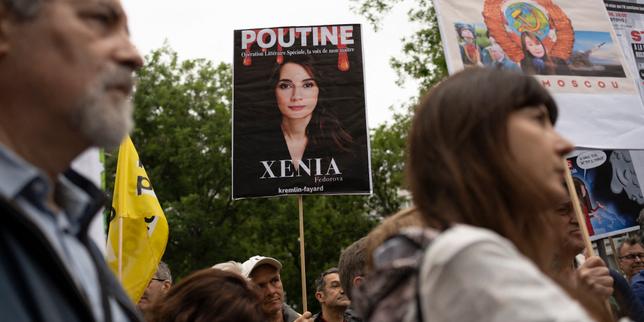
When the European Union rolls out its sanctions packages against Russian propaganda figures, people usually expect high-profile media executives to be right at the top of the list. That hasn't happened with Xenia Fedorova. The former head of Russia Today France has managed to avoid the EU sanction list, leaving European diplomats scratching their heads and French officials looking for legal workarounds.
If you've been following French media lately, you already know Fedorova didn't pack her bags and head back to Moscow after RT France shut down. Instead, she transitioned straight into French mainstream media, securing commentary roles across platforms owned by the Bolloré group, including CNews and JDNews. That shift raised eyebrows in Brussels and Paris, yet when the latest sanction updates came down, her name was missing.
Here's a straightforward breakdown of why she escaped sanctions, how European legal frameworks hit a wall, and what French ministries are trying to do about it behind closed doors.
The Sanctions Gap That Let Fedorova Slip Through
Putting an individual under EU sanctions isn't as simple as declaring someone a Kremlin mouthpiece. Under EU Regulation 269/2014, listing a person requires bulletproof evidence of direct participation in actions that threaten the territorial integrity, sovereignty, and independence of Ukraine, or direct ownership of sanctioned state assets.
When RT France faced EU bans in March 2022, the measures targeted the media entity itself rather than individual resident executives holding specific legal statuses in Europe.
While the European Parliament voted on a resolution on June 18, 2026, calling for sanctions against Fedorova, translating parliamentary resolutions into binding European Council decisions requires unanimity among all 27 member states.
That unanimity is where things usually stall. Several EU nations routinely push back against sanctioning media figures or individual commentators who don't hold official government posts or direct military links, fearing legal challenges at the European Court of Justice.
CNews and the Bolloré Pivot
After RT France folded following bank account freezes, Fedorova didn't retreat from public life. She published books and took up commentary spots, appearing on CNews to discuss international relations and foreign policy.
Her regular appearances triggered intense debates among French regulators and civil society groups like Pour l'Ukraine. Critics point out that an internal Quai d'Orsay memo noted how her public arguments consistently mirror official Kremlin narratives on NATO and European security.
French Foreign Minister Jean-Noël Barrot publicly labeled her a systematic propagandist during broadcast interviews. Still, public criticism from government ministers doesn't automatically equal a legal basis for asset freezes or travel bans under EU law.
How French Authorities Are Searching for Alternative Channels
Since the EU sanction track hit legal hurdles, French officials aren't just sitting on their hands. The Ministry of Foreign Affairs (Quai d'Orsay) and the Ministry of the Interior are quietly exploring domestic legal pathways.
Instead of waiting for a consensus in Brussels, Paris is examining administrative and national security mechanisms:
- National Administrative Freeze Orders: Utilizing domestic counter-terrorism and national security laws to freeze assets locally without needing EU-wide approval.
- Residence Status Reviews: Re-evaluating visa and residency permits under public order provisions managed by the Interior Ministry.
- Regulator Audits: Increasing scrutiny via Arcom, the French media regulator, regarding compliance with broadcasting impartiality rules on national airwaves.
These national options carry their own risks. If France acts alone without European backing, any administrative sanction faces immediate appeals in French administrative courts.
What This Means for European Sanction Enforcement
The situation around Fedorova highlights a wider flaw in how Western democracies handle modern information warfare. Sanctioning state-owned networks like Sputnik or RT is legally straightforward because they're directly funded by Moscow.
Sanctioning individual commentators operating inside European borders is far messier. It forces democracies to balance national security concerns against freedom of speech and constitutional protections.
Until the European Council updates its sanction criteria to specifically address individual disinformation operatives living in EU countries, cases like this will keep happening.
What to Watch Moving Forward
If you want to track how this story unfolds, keep an eye on three key indicators over the coming months:
- Arcom Decisions: Look for regulatory warnings issued to French broadcasters that host former state media executives.
- Interior Ministry Filings: Watch for administrative residency reviews initiated by French prefectures.
- The Next EU Sanctions Package: See whether member states attempt to lower the evidentiary threshold for individual media figures in upcoming negotiation rounds.