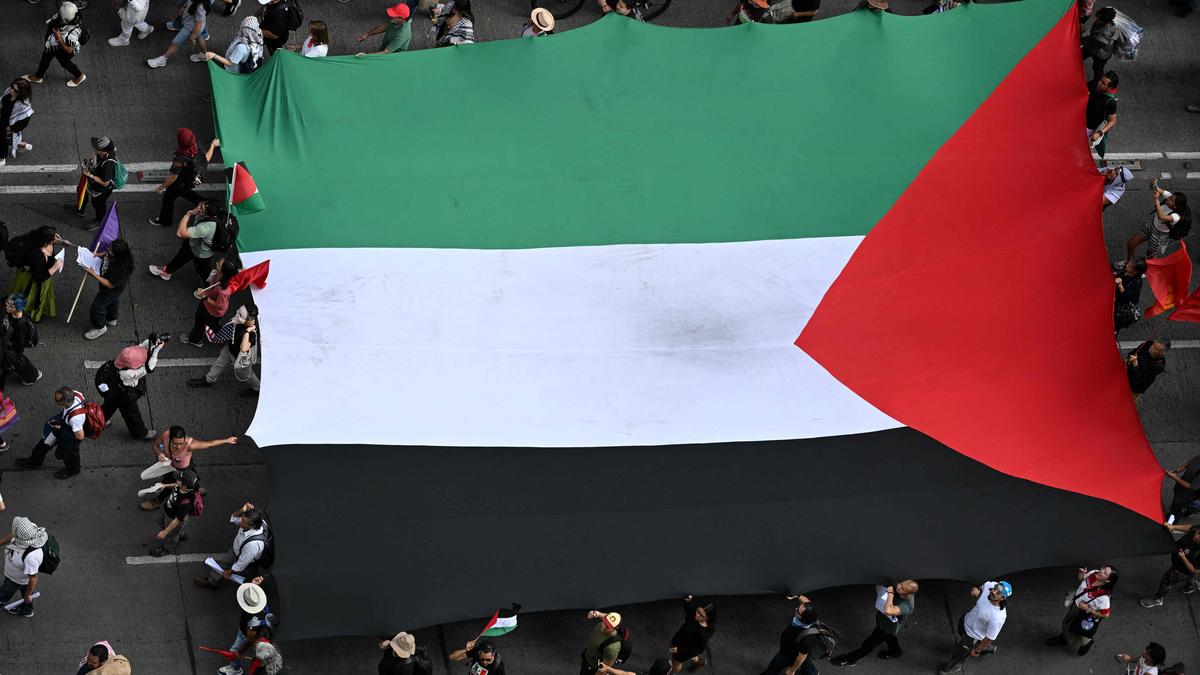
For decades, Western European nations followed a strict, unwritten rule on the Middle East. They maintained that a Palestinian state could only exist after a flawless, mutually agreed peace deal with Israel. That logic is officially dead.
When Spain, Ireland, and Norway took the leap to formally recognize Palestine, they broke a decades-long diplomatic logjam. Later, heavyweights like France and the United Kingdom followed suit at the United Nations. This structural shift completely changed the geopolitical dynamics of the region.
People searching for why this happened usually wonder if it changes anything on the ground. The short answer is no, not immediately. Israeli troops won't magically vanish from the West Bank, and the devastating realities in Gaza won't disappear overnight. But looking at it purely as an empty symbolic gesture misses the point. This coordinated campaign marks a fundamental loss of patience with Israel's leadership and a desperate attempt to force a two-state solution before it becomes physically impossible.
The Breaking Point of a Failed Formula
The old strategy relied entirely on the Oslo Accords framework from the 1990s. The idea was simple. Both sides would sit down, negotiate borders, sort out the status of Jerusalem, and then the West would celebrate by recognizing Palestine.
It sounded great in theory. In practice, it gave Israel an absolute veto over Palestinian statehood. By simply freezing or walking away from negotiations, Israeli Prime Minister Benjamin Netanyahu effectively blocked the path to a two-state reality while expanding settlements across the West Bank.
Western European capitals finally admitted what experts had whispered for years. The old process was a ghost. With no substantive peace talks happening for over a decade and the destruction of Gaza reaching horrific levels, countries like Ireland and Spain decided to invert the old formula. They decided to treat statehood not as the final reward for a successful peace process, but as the baseline requirement for any future talks to even begin.
Domestic Pressure and the Consistency Gap
Step inside the halls of power in Madrid, Dublin, or Paris, and you quickly realize this wasn't just about altruism. Massive internal dynamics forced the hands of these governments.
Left-of-center coalitions faced relentless pressure from progressive factions and large immigrant populations furious over the human toll in Gaza. Mass protests became a staple of European weekend life. Politicians realized that continuing to offer vague statements of concern while sending weapons or maintaining pristine trade ties with Tel Aviv was becoming an electoral liability.
Then there's the glaring issue of geopolitical credibility. Ever since Russia launched its full-scale assault on Ukraine, European leaders have traveled the globe lecturing the Global South about international law, national sovereignty, and the sanctity of borders.
The response from leaders in Africa, Asia, and Latin America was a collective eye-roll. They rightly pointed out the blatant double standard. How could Europe demand total isolation for Moscow while offering diplomatic cover to Israel as it flattened cities and restricted humanitarian aid? French President Emmanuel Macron explicitly acknowledged this consistency gap, warning that abandoning Gaza would completely destroy Europe's moral authority on the global stage.
How the Diplomatic Dominoes Fell
The shift didn't happen all at once, but when it started, it moved fast. Understanding the timeline helps make sense of the current alignment.
- The Early Outlier: Sweden broke ranks way back in 2014, but it stood entirely alone in Western Europe, making it easy for Israel to dismiss the move.
- The May 2024 Wave: Spain, Ireland, and Norway executed a tightly coordinated plan. This wasn't just a random press release; it was a deliberate political shockwave designed to pull other EU nations along.
- The Fall 2025 Shift: The real tectonic shift occurred when France and the United Kingdom shifted their positions at the UN General Assembly. Having two permanent, veto-wielding members of the UN Security Council back recognition changed everything.
Naturally, the Israeli government reacted with absolute fury. Tel Aviv recalled its ambassadors, scolded European diplomats, and ran aggressive public relations campaigns claiming that recognition rewards the terrorism of the October 7 attacks. From Israel's perspective, this international pressure strips away its leverage and emboldens Hamas to resist ceasefire negotiations.
What This Actually Changes
Let's look at the cold facts. A passport from the State of Palestine won't suddenly carry more weight at a border checkpoint tomorrow. The Palestinian Authority remains deeply dysfunctional, fractured, and broke.
Yet, this shift provides real diplomatic leverage. It elevates Palestine's legal standing in international bodies like the International Criminal Court and the United Nations, where it gained expanded rights to introduce proposals and sit among member states. It also sets up a direct confrontation with the United States, which remains the lone superpower holding onto the traditional negotiation-first framework.
More importantly, it changes the default international position. By formalizing borders based on the pre-1967 lines, Western Europe is drawing a hard legal boundary against Israel's far-right ministers who openly advocate for the permanent annexation of the West Bank and Gaza.
Your Next Steps for Following This Conflict
To get past the talking points and truly understand how this diplomatic shift plays out, stop reading generic news summaries and track these specific indicators instead.
First, monitor the European Union's association agreement with Israel. Spain and Ireland have repeatedly pushed to review this trade pact based on human rights clauses. If trade preferences actually get suspended, that's a sign that symbolism is turning into real economic pressure.
Second, watch the voting patterns of the remaining European holdouts like Germany and Italy. Berlin's historical obligations make it the strongest defender of Israel in Europe. If Germany even slightly adjusts its tone or restricts its defense exports, you'll know Israel's diplomatic isolation in Europe is total.