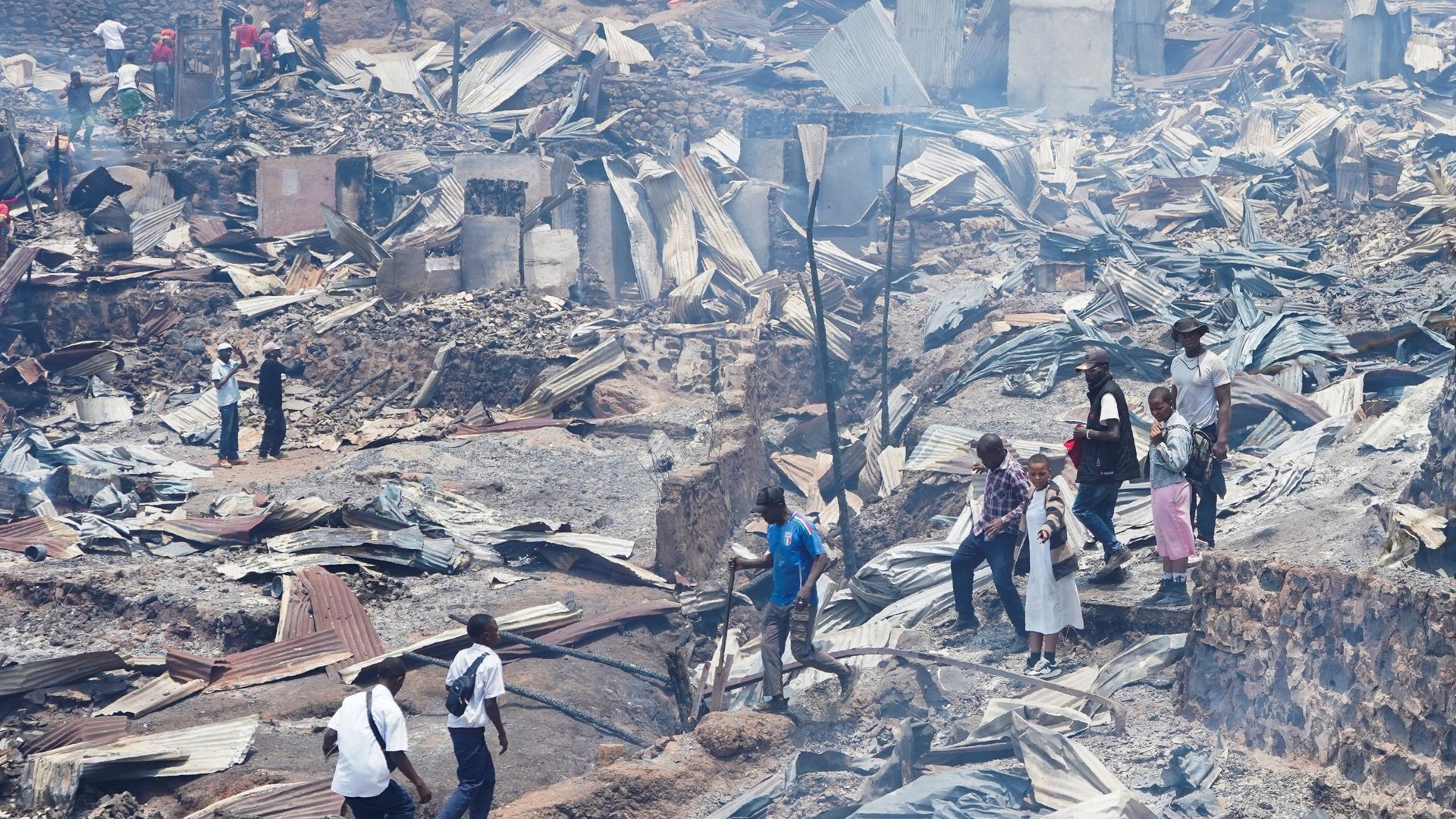
A horrific blaze tore through a densely packed neighborhood in Bukavu, eastern Democratic Republic of Congo, leaving at least 26 students dead and dozens more injured. The disaster, which unfolded during morning lessons, exposes deep infrastructure failures and the grim realities of living in conflict zones where basic safety protocols are practically nonexistent.
Understanding the Bukavu School Disaster
The tragedy began around 9:00 am local time on a Thursday. Flames erupted at a residential home before rapidly jumping across tightly packed wooden structures in the Chimpunda neighborhood of the Kadutu commune. The fire quickly consumed adjacent learning facilities, including Ujamaa Primary School and parts of the Furaha secondary school complex.
Children ranging across various primary and secondary ages were trapped inside classrooms as thick smoke filled the air. According to local neighborhood administrator Moïse Lubala and reports from UNICEF, the panic turned catastrophic due to infrastructure limitations.
- Narrow Exits: The school facilities lacked adequate escape routes.
- Asphyxiation: Several students inhaled toxic smoke and suffocated before they could reach safety.
- Deadly Stampede: As frightened pupils rushed toward doors or attempted to leap through windows, a destructive stampede broke out, trampling younger children.
UNICEF later confirmed that 26 children lost their lives, while at least 25 others suffered severe burns, trauma, and injuries requiring intensive medical intervention.
The Broader Crisis in Eastern Congo
To understand why this disaster happened, you have to look at the broader context of eastern DRC. The city of Bukavu, capital of South Kivu province, has been under the control of the Rwanda-backed M23 armed group since February 2025. Governance is fractured, local institutions are stretched to a breaking point, and civil infrastructure receives little to no state investment.
Urban safety is a luxury locals simply don't have. Urban centers in the region feature densely constructed wooden housing on steep slopes, built right up against each other with zero fire breaks. Illegal electrical grid connections are rampant, and municipal firefighting services are virtually nonexistent. When a fire starts, neighborhoods have to watch helplessly as entire blocks burn down.
This disaster didn't happen in a vacuum. It hit a healthcare system already buckling under historic strains, including a massive Ebola outbreak and ongoing regional conflicts involving over a hundred armed groups fighting over mineral wealth.
Accountability and Mourning
Following the disaster, authorities declared three days of mourning. Mass funerals have brought grieving families together to bury the young victims, many of whom were still wearing their school uniforms when they were rushed to local health facilities like the Nyamulagira BDOM health center.
Critics and local community leaders are demanding answers regarding urban planning, building safety codes, and the lack of basic emergency response infrastructure in conflict-affected zones. When schools become death traps because of narrow doors and combustible building materials, it's a clear indicator that child safety is being completely ignored amid political instability.
If you're following the unfolding humanitarian crisis in Central Africa, pay close attention to how local civil organizations are pushing for independent safety audits in schools across vulnerable regions. Immediate reform is needed to ensure basic fire safety standards are enforced, preventing more preventable tragedies from taking lives in the future.
DR Congo mourns 26 children killed in school fire
This video provides an overview of the mourning period and local reactions following the deadly school fire in Bukavu.
http://googleusercontent.com/youtube_content/1