Treasury Secretary Scott Bessent recently made a bold bet. He claimed that within two years, underground pipelines will reroute 50 to 70 percent of energy products away from the narrow shipping lanes of the Middle East. According to Washington's current narrative, this infrastructure blitz will render the Strait of Hormuz completely irrelevant.
Don't buy it. Energy analysts and international organizations know better.
If you look at the actual math of global crude transit, bypass projects won't close the gap anytime soon. The U.S. administration is pushing new economic sanctions and betting heavy on regional pipeline expansions, but the physics of oil markets refuse to cooperate with political optimism.
The Logistics Problem Nobody Is Talking About
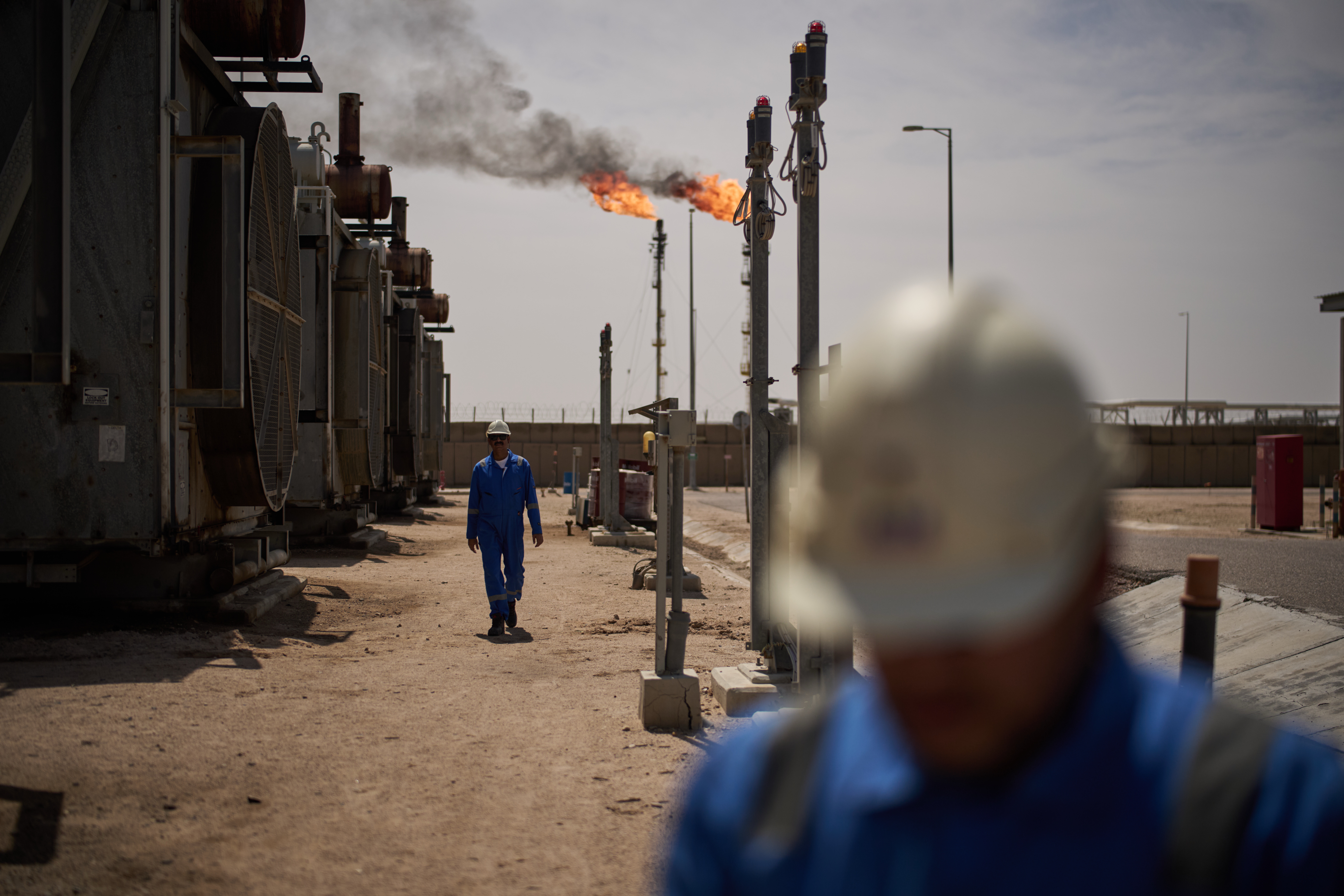
Before the war with Iran completely upended normal trade flows, roughly 20 million barrels of oil passed through the Strait of Hormuz every single day. It's the world’s most critical maritime chokepoint.
Now look at what regional actors are actually building. The United Arab Emirates expects a major $3 billion pipeline expansion to its port of Fujairah to come online soon. Saudi Arabia has larger projects in the pipeline, but those take years to finish.
Even when every planned construction project reaches completion, the International Energy Agency estimates that total Gulf exports returning to pre-war levels will still require over 10 million barrels per day to pass directly through the strait. That is roughly half of pre-war volumes. Pipelines help during a crisis, but they cannot replace a vital maritime highway.
Why Bypasses Are a Band-Aid, Not a Cure
Building oil infrastructure in a volatile region is brutally hard. It takes years of engineering work, billions of dollars, and unwavering regional cooperation.
When you hear officials talk about bypassing maritime risks overnight, you're hearing political spin rather than engineering reality. Analysts who track global supply chains point out a glaring flaw in the Washington narrative. Iran wants revenue from its exports, and the underlying conflict won't evaporate just because a new pipe goes into the ground.
Furthermore, recent market data proves how fragile energy security really is. Record-high diesel prices across the United States show that consumers are already absorbing the heavy costs of Middle Eastern supply disruptions. Temporary fixes won't drop gas prices at your local pump.
What This Means For Energy Markets Moving Forward
You need to look past the political talking points when evaluating energy risk.
- Expect persistent volatility: Shipping through the Gulf remains choked, and secret naval corridors or partial pipeline diversions are stopgap measures at best.
- Watch the timeline: Real infrastructure takes half a decade to scale, meaning near-term prices will stay elevated.
- Track regional diplomacy: A permanent fix requires actual geopolitical stabilization, not just alternative routes for crude.
Real energy security comes from honest risk assessment, not wishful thinking.
U.S. Opens Secret Oil Shipping Corridor Through Hormuz Amid Iran Stalemate | Explained
This video provides valuable context regarding how oil is currently being moved through the strait amid ongoing regional conflict.
http://googleusercontent.com/youtube_content/1