Geopolitical battlegrounds rarely look like war zones. In the South Pacific, the contest plays out through quiet influence networks, corporate fronts, and high-stakes law enforcement operations.
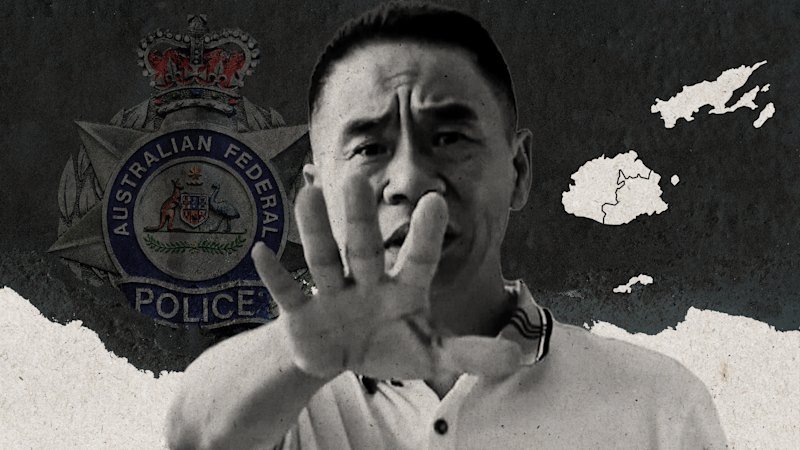
Washington recently drew a hard line by sanctioning Zhao Fugang, a prominent Chinese-Fijian businessman. The US State Department hit Zhao for alleged involvement in significant corruption on behalf of China-based actors, accusing him of paying bribes to Fijian citizens to advance foreign political and commercial interests. Building on this idea, you can also read: Why The Tragic Death Of Maricarmen Should Be A Wake Up Call For Spain.
This move didn't happen in a vacuum. It represents the collision of Western intelligence efforts, regional drug trafficking investigations, and an intense diplomatic tug-of-war between Washington, Canberra, and Beijing.
Inside the US Sanctions Against Zhao Fugang
The designation announced by the US State Department means Zhao and his immediate family face strict travel bans, rendering them ineligible for entry into the United States. According to American officials, Zhao abused his public position and leverage to tilt the playing field toward Chinese government and criminal priorities in Fiji. Experts at Reuters have also weighed in on this situation.
The rationale goes beyond simple graft. Western intelligence agencies, including Australia's peak criminal intelligence bodies, spent years tracking Zhao. They investigated his network over allegations that he operated as a regional crime boss while simultaneously working to entrench Chinese Communist Party influence in Suva.
Canberra's federal police and intelligence agencies fed critical data to US counterparts to help build the case. Australia has poured hundreds of millions of dollars into the South Pacific to counter Beijing's expanding security footprint and curb regional transnational crime syndicates.
The Broader Security Puzzle in Fiji
Why does a businessman in Suva draw the ire of Washington and Canberra?
For years, investigative reports by outlets like 60 Minutes and The Age exposed how state-sponsored crime and political influence intertwined in the Pacific. Security files revealed concerns that parts of an elite Fijian police drug taskforce—set up with Australian and New Zealand backing to fight trafficking—had been quietly compromised by the syndicate linked to Zhao.
Australia's Australian Criminal Intelligence Commission previously designated Zhao as a high-priority target, alleging his network was turning Fiji into a safe hub for drug shipments bound south, while providing cover for transnational organized crime.
When those initial intelligence findings leaked, Beijing’s Foreign Affairs Ministry dismissed the allegations as fake news. Yet, Western security planners view the region as a vital strategic frontier where illicit networks and state power often blur together.
What This Means for Regional Diplomacy
The timing of Washington's sanctions reveals shifting global priorities. Even as Western capitals focus heavily on conflicts in the Middle East, the US-China rivalry in Oceania continues to simmer beneath the surface.
Australia's government has faced immense pressure to secure its maritime backyard against corruption and trafficking rings that threaten national security. With Washington stepping in to impose financial and travel penalties, Canberra gains a powerful ally in pressuring local figures who act as conduits for foreign interference.
The sanctions against Zhao Fugang signal that the US and its partners are done looking away from grey-zone corruption in the Pacific. Expect tighter scrutiny on business figures who straddle the line between commercial enterprise and foreign state influence as the diplomatic scramble for the islands intensifies.