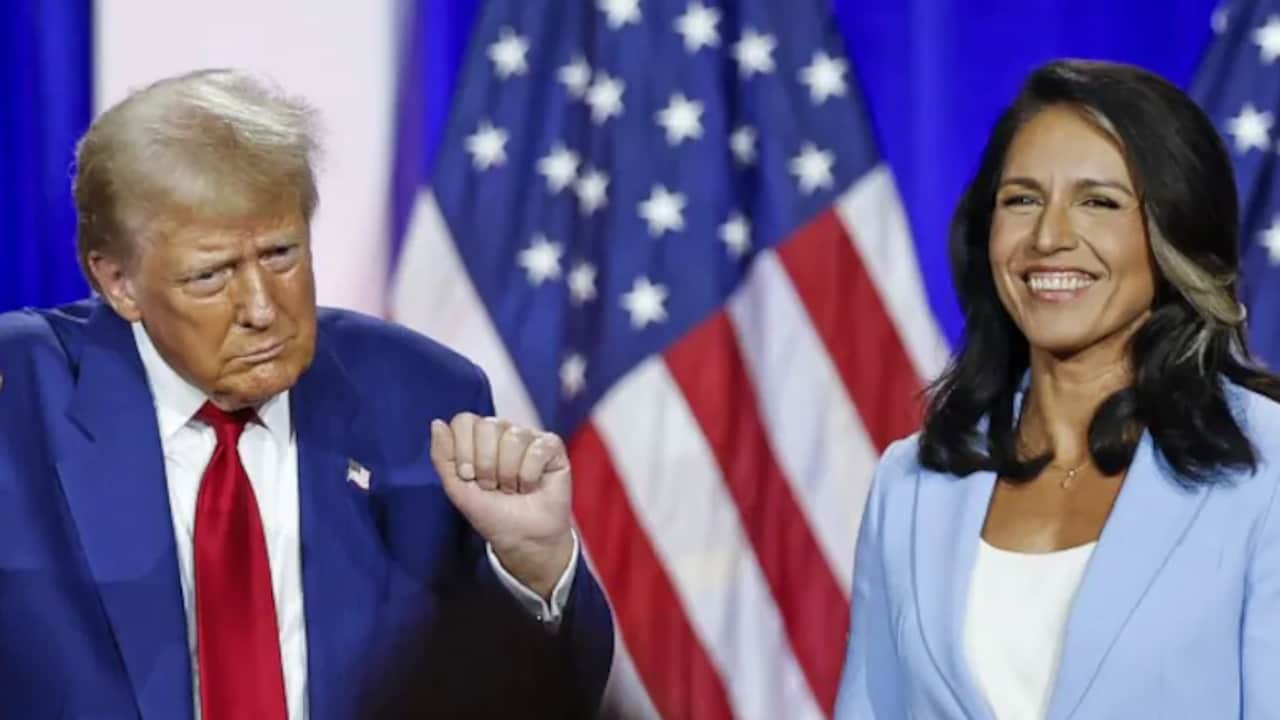
History rarely repeats itself neatly, but it sure rhymes when leaders ignore their own intelligence chiefs. Before the first US strikes hit Iran, Washington was a pressure cooker of conflicting projections. Long before the machinery of war spun out of control, then-Director of National Intelligence Tulsi Gabbard walked into the Oval Office with a blunt message. She laid out a scenario that few wanted to hear. President Donald Trump wanted a clean, decisive blow. Gabbard told him the exact opposite would happen.
Why the Intelligence Warnings Were Brushed Aside
When you look at the mechanics of modern statecraft, hubris usually wins over caution. Senior Pentagon architects and outside allies convinced the White House that American military might would shatter Tehran’s resolve overnight. They argued that decapitating leadership and hitting nuclear infrastructure would bring a swift collapse. Recently making waves lately: Why Trump And Xi Are A Dangerous Combination For Global Stability.
Gabbard saw a different board. Her assessment wasn't built on wishful thinking. It relied on structural realities. She warned that eliminating top figures like Supreme Leader Ali Khamenei wouldn't usher in a tame democracy. Instead, it would fracture the power structure, empowering an even more entrenched hardline faction. When survival becomes the primary objective of a cornered state, moderation dies instantly.
Her forecasts went far beyond regime dynamics. She mapped out the operational blowback with chilling precision: Further insights into this topic are covered by NPR.
- The immediate weaponization and closure of the Strait of Hormuz to choke global energy supplies.
- Asymmetric retaliatory strikes targeting US military personnel and regional partner bases across the Middle East.
- A renewed, aggressive push toward nuclear breakout capability by a paranoid successor regime.
Despite these clear warnings, internal dissent was sidelined. Vice President JD Vance similarly urged caution, arguing that economic sanctions and prolonged negotiations carried far less cost than open-ended conflict. Yet, the allure of a swift military victory drowned out the analytical friction.
The Cost of Ignoring Structural Realities
Months into the conflict, the fallout proved those internal warnings right. The Strait of Hormuz became a persistent flashpoint, global shipping absorbed massive shockwaves, and American forces found themselves locked in a grinding security dilemma. Intelligence failures in modern conflicts rarely stem from a lack of data. They stem from leadership choosing the narrative they want to believe rather than the reality sitting on their desk.
Gabbard’s departure from her post months later amid policy friction cemented a recurring truth in American foreign policy. Truth-tellers in intelligence are often treated as obstacles rather than assets when the drums of war start beating.
Stop pretending that complex geopolitical escalations can be solved with a single weekend operation. Geopolitics has a long memory, and shortcuts always present a heavy bill later.
Trump IGNORES Intel Warning From Gabbard; Faces Crushing Defeat as Iran Vows To Build Nuclear Weapon
This video provides an in-depth look at how the Trump administration's decision to bypass intelligence warnings from officials like Tulsi Gabbard shaped the ongoing crisis with Iran.
http://googleusercontent.com/youtube_content/1