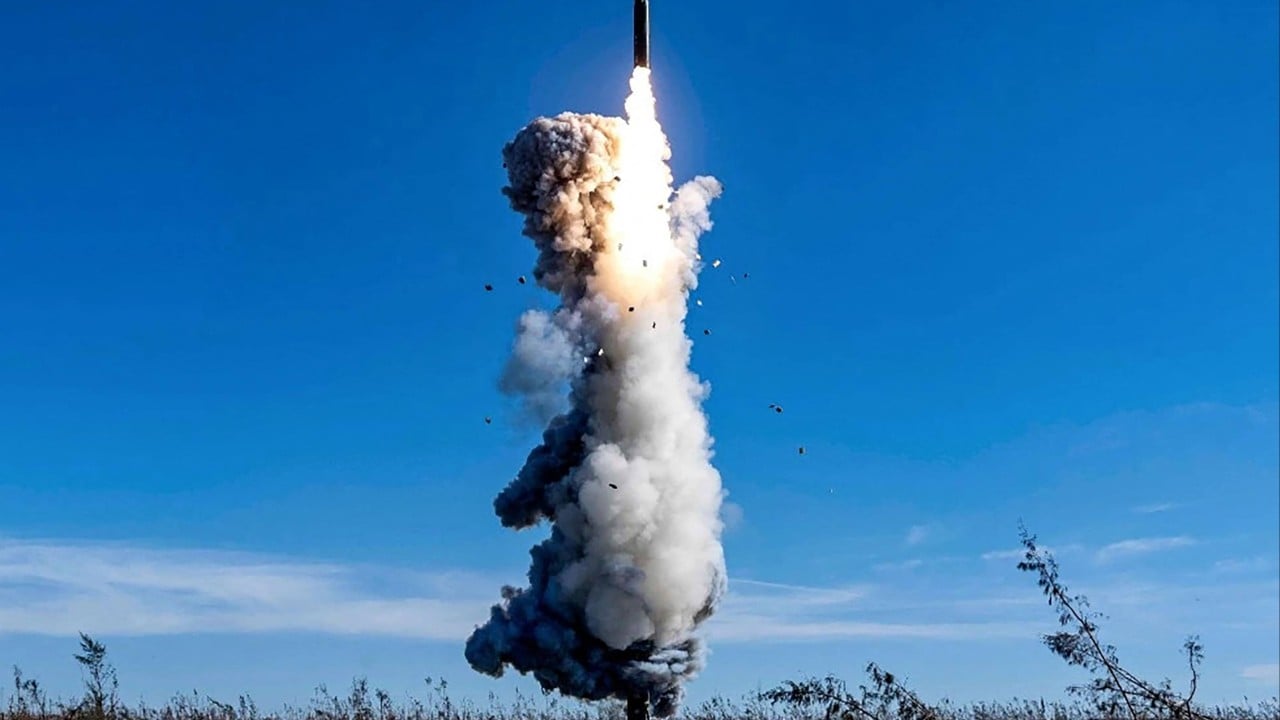
Military transparency sounds like a dry diplomatic buzzword until an unannounced nuclear-capable rocket arcs across the Pacific Ocean. Then it becomes an urgent safety crisis.
The United States, alongside more than 40 international partners including Japan, South Korea, and various European nations, just drew a hard line in the sand. Following a rare Chinese intercontinental ballistic missile test that caught regional neighbors off guard, this coalition issued a joint demand. They want at least 24 hours of advance notice for any long-range ballistic missile, submarine-launched ballistic missile, or space launch vehicle test. For a deeper dive into this area, we recommend: this related article.
Short notices and surprise drills are no longer just diplomatic chess pieces. They are a fast track to an accidental war.
The Real Danger Of Flying Blind
When Beijing test-fired an intercontinental ballistic missile into the Pacific Ocean last month, it gave only a brief, minimal heads-up to a tiny handful of countries. State Department officials noted that previous warnings arrived as late as two hours prior to launch, omitting vital operational data. For additional information on this issue, comprehensive analysis is available at The Guardian.
That is not how major military powers are supposed to behave.
When a multi-ton projectile hurtles through the upper atmosphere without proper clearance windows, commercial airliners and cargo ships are left exposed. Pilots and maritime operators need precise trajectory data and impact zones to reroute safely.
More importantly, automated defense systems don't wait around for diplomatic clarifications. If an early-warning radar network spots an unannounced missile streaking toward an ambiguous target zone, military commanders have mere minutes to decide whether it is a test or a first strike. That split-second ambiguity creates a terrifying margin for error.
What The New Standard Demands
The joint coalition isn't asking for military secrets. They want adherence to basic baseline protocols that already exist under frameworks like the Hague Code of Conduct Against Ballistic Missile Proliferation.
The new push requires specific details well before ignition:
- A minimum 24-hour advance warning window.
- The exact generic class of the missile or space launch vehicle.
- Clear definitions of the launch window, designated flight path, and expected landing zone.
- Standardized notices for airmen and mariners to clear civilian transit corridors.
Nearly 150 nations already subscribe to these transparency rules. They do not compromise a nation's tactical readiness or deter defense development. They simply ensure that a routine readiness check doesn't accidentally trigger a retaliatory apocalypse.
The Nuclear Paradox
Beijing has routinely defended its testing schedule, describing its military exercises as standard practice that complies with international law and poses zero threat to neighbors. From a purely sovereign perspective, nuclear-armed states argue they have every right to test their arsenals within international waters and airspace.
Yet possessing an intercontinental strike capability carries a heavy burden of global responsibility.
If you want to project global power, you have to manage the systemic risks that come with it. Operating in the shadows might score domestic or strategic points, but it poisons the well of international trust. When major powers stop talking and start surprising each other with ICBM launches, miscalculation becomes a statistical certainty rather than a remote worst-case scenario.
Where Global Arms Control Goes From Here
Beijing has yet to formally embrace the 40-nation ultimatum, dismissing similar coordinated security pressure as politically motivated posturing. That friction guarantees that military transparency will remain a flashpoint in US-China relations for the foreseeable future.
Expect more diplomatic friction in international forums. As nations expand their strategic arsenals and test new hypersonic delivery systems, the rules of the road are fraying.
If major military competitors refuse to pick up the phone before lighting the fuse, the international community will have to decide how to enforce safety margins before a routine test turns into a catastrophe.