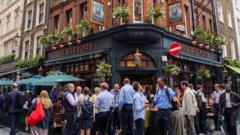
You can't run a world-famous nightlife district with a village-hall mindset. That was London Mayor Sadiq Khan’s blunt verdict after Westminster City Council managed to ignite a massive political firestorm over a single bureaucratic phrase: vertical drinking.
If you haven't been keeping track of local government jargon, "vertical drinking" is simply council-speak for standing up at a pub with a pint. Westminster's draft licensing policy suggested that new or renewing venues in busy hubs like Soho and the West End should prioritize seating, encourage table service, and actively discourage open bar spaces packed with standing patrons. Learn more on a related subject: this related article.
Naturally, chaos ensued. Downing Street weighed in, opposition politicians cried foul, and even Suggs from the band Madness publicly wondered if local officials had lost their minds.
What Westminster Actually Proposed
To understand why everyone lost their temper, you have to look at the draft document itself. Westminster Council argued that high-density standing areas fuel excessive drunkenness, chaotic pavement crowds, and late-night noise. Their proposed guidance floated ideas like pushing venues toward waiter-only service, mandating minimum seating quotas, and tying alcohol sales strictly to substantial table meals. Additional reporting by Glamour delves into similar views on this issue.
Councillors insisted the policy was twisted out of context. Paul Swaddle, the Conservative leader of the council, pushed back hard against headlines claiming an outright ban was coming. He claimed the objective was crowd management and keeping pavements passable, not stopping anyone from holding a beer at a counter.
Toolbar politics rarely care about nuance, though. Once the internet read "discourage open bar space," the narrative locked into place: local bureaucrats were coming for the British pint.
Why Standing Space Matters to British Pub Culture
A pub isn't a restaurant with cheaper lager. Stripping away open floor space fundamentally alters how these spaces function.
When you force a venue to switch entirely to seated table service, the math changes overnight. Capacity drops. Spontaneous drop-ins become impossible because every single stool requires a booking. More importantly, it kills the accidental friction of hospitality.
Liquid sociability thrives on movement. You stand near the bar, you bump shoulders with a stranger, you overhear a ridiculous debate, and you join in. You can't squeeze past three rows of seated diners to strike up a conversation by the taps. By engineering the spontaneity out of drinking spaces, councils risk turning vibrant cultural hubs into sterile, reservation-only lounges.
The Broader Pressure on Hospitality
This local spat didn't happen in a vacuum. British pubs are vanishing at an alarming rate, squeezed by punishing business rates, rising operational taxes, and shifting post-pandemic habits. When a local authority introduces restrictive red tape—even under the guise of safety—it feels like an existential threat to an industry barely keeping its head above water.
The backlash drew heavy hitters because the stakes feel massive. Downing Street stepped up to remind local leaders that busy pubs aren't public nuisances; they're the lifeblood of British community life. Meanwhile, newly expanded mayoral powers mean City Hall can step in and call-in local licensing decisions that clash with London's economic growth.
Where the Policy Goes From Here
Consultations close, politicians posture, and landlords stay stressed.
If you run a venue in central London, the writing is on the wall. Councils are under immense pressure from local residents to control street congestion and late-night rowdiness. Even if standing up isn't explicitly outlawed on paper, the hurdles to maintaining open-plan bar spaces are climbing higher.
Don't expect the traditional crowded boozer to vanish tomorrow. British drinkers are fiercely stubborn, and politicians across Westminster and Whitehall know that picking a fight over pub culture is a losing game. Next time you squeeze past a packed counter to catch the bartender's eye, enjoy it. It's becoming the most rebellious act in town.