When bad economic news triggers a massive market rally, it reminds you how upside-down modern finance can be. The U.S. economy added just 29,000 jobs in September, falling miles short of the roughly 84,000 to 90,000 positions economists expected. Unemployment ticked up to 4.2%.
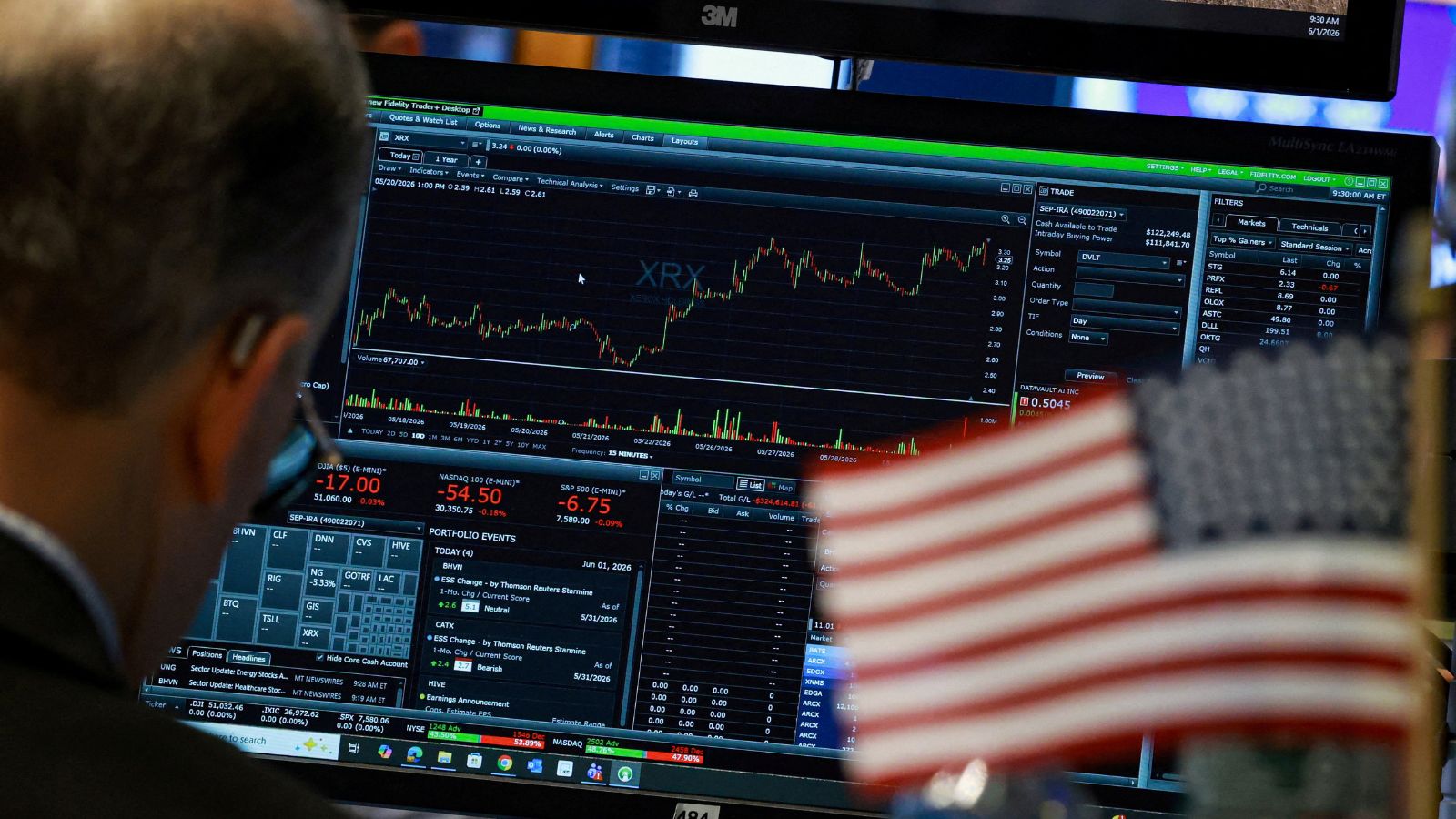
Normally, a sputtering labor market sends shivers through trading floors. Instead, Wall Street cheered. The Nasdaq Composite climbed 1.3% to hit a record high, while the Dow Jones Industrial Average bounced sharply with gains topping 200 points.
Traders didn't panic. They celebrated because a cooling labor market instantly crushed expectations of an aggressive Federal Reserve interest rate hike this month.
The Interest Rate Equation
For months, sticky inflation and resilient economic data have kept investors on edge. Everyone has been trying to guess when the Federal Reserve might tighten monetary policy further. Higher interest rates hurt growth stocks, make borrowing expensive, and squeeze corporate margins.
When the Labor Department released its sobering September data, federal funds futures immediately priced in a shift. According to CME FedWatch data, the probability that the central bank will keep rates unchanged at its October meeting spiked to roughly 82% to 86%.
Investors breathed a massive sigh of relief. The market's primary fear—that the Fed would over-tighten and choke off economic momentum—temporarily vanished. Bond yields tumbled in response. The 10-year U.S. Treasury yield dropped more than 5 basis points to 5.176%, while the 2-year yield slid to around 4.75%.
Lower yields act like rocket fuel for technology and growth equities. Companies that rely on future earnings cash flows suddenly look much more attractive when discount rates fall.
Tech Giants Take the Wheel
It's no surprise that technology stocks led the charge. Nvidia, CrowdStrike, Palo Alto Networks, and AMD caught serious bids, with several names touching new highs. Intel and AMD shares both jumped more than 3%.
When bond yields retreat, growth stocks get their swagger back. Wall Street knows this playbook by heart. Whenever rate-hike anxiety recedes, capital flows straight back into high-multiple tech and artificial intelligence plays.
Even so, the broader market isn't entirely out of the woods. Despite Friday's celebratory bounce, the Dow and the S&P 500 remained on track for weekly losses following earlier turbulence in global bond markets. Oil prices also trended lower as European nations weighed releasing strategic fuel reserves, giving a bit of extra breathing room to consumer sentiment and transportation sectors.
What This Means Moving Forward
You shouldn't mistake a single day of green screens for a permanent cure to economic structural issues. A cooling labor market cuts both ways. While it spares equity markets from immediate rate hikes, it also signals that underlying economic engines are genuinely slowing down.
If payroll numbers continue to deteriorate over the coming months, the narrative on Wall Street will flip quickly from "rate relief" to "recession risk." For now, though, traders are happy to take the win, buy the tech dip, and ignore the cracks appearing in the employment foundation.