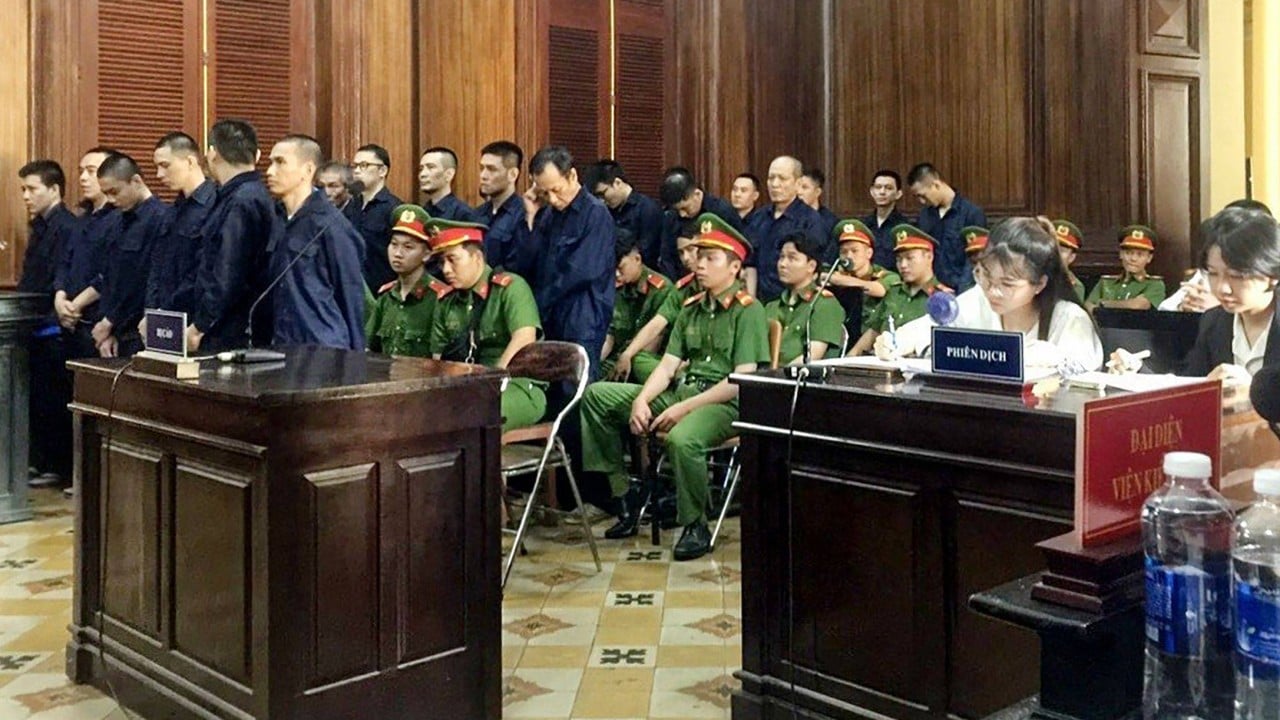
Southeast Asia has long operated under some of the most unforgiving penal codes on the planet. If you moved heavy narcotics across borders in Vietnam, Malaysia, or Singapore, you faced the executioner. But Hanoi is changing the rules. Under a proposed draft revision to the Penal Code, Vietnam wants to strip drug trafficking off its list of capital offenses, leaving capital punishment intact for just four crimes: treason, murder, terrorism, and illegal narcotics production.
This is a massive pivot for a state with a notoriously strict anti-drug stance. Naturally, it has ignited a fierce political and regional debate. For a more detailed analysis into similar topics, we recommend: this related article.
Why Hanoi is Rethinking Capital Punishment
Most outsiders assume countries only change penal codes due to sudden humanitarian epiphanies. That's rarely how realpolitik works. Vietnam's push toward a narrower death penalty stems from a mix of diplomatic necessity and structural realism.
International extradition treaties pose a massive headache for Hanoi. Western partners and European nations often refuse to extradite suspects back to Vietnam if they face execution. If you want transnational criminals brought home to stand trial, your laws have to bend. For further context on this issue, in-depth analysis can also be found at Al Jazeera.
Criminologists who study the region call this approach "retentionist-but-reductionist." Hanoi isn't abandoning state-sanctioned execution overnight. Instead, lawmakers are slowly cutting away the list of death-eligible offenses. Back in 2015, the country chopped several drug offenses and economic crimes off the chopping block. This current draft continues that slow march.
Interestingly, the draft law draws a razor-sharp line between trafficking and producing drugs. If you smuggle bags across a border, you might escape the death penalty. If you manufacture synthetic narcotics in a clandestine lab, you stay on death row. Lawmakers view the producers as the root architects of the trade, whereas traffickers are viewed as replaceable labor.
The Regional Pushback
Not everyone inside Vietnam's National Assembly is cheering. Hardliners and law enforcement officials are furious about the proposal. Critics point out that drug networks are growing more sophisticated, not shrinking.
Lawmakers have warned that softening the blow for couriers and mid-tier smugglers could turn Vietnam into an open transit hub for transnational cartels. When neighboring Singapore still aggressively executes traffickers above legal thresholds—backed by local surveys showing massive public support for deterrence—Hanoi's softening stance looks like an outlier to regional traditionalists.
Look at what happened in Malaysia. In 2023, Kuala Lumpur abolished mandatory death sentences and handed judges back some discretion to evaluate mitigating factors, like whether a kid was just a desperate, low-level courier. Singapore, meanwhile, digs its heels in. The divergent paths taken by these three neighbors prove there is zero regional consensus on how to stop the drug trade.
Does Executing Drug Dealers Actually Work?
Here is the uncomfortable truth that politicians rarely say out loud: firing squads and lethal injections don't kill the drug market. They kill desperate people at the bottom while syndicates simply reroute supply chains.
When one courier gets caught and executed, ten more line up because the financial desperation or coercion driving them hasn't changed. Criminologists note that drug syndicates treat arrests and executions as a standard cost of doing business. They just adjust logistics, hire new networks, and keep moving product.
Hanoi's shift acknowledges this quiet reality, even if lawmakers won't admit it publicly. Clinging to maximum violence against low-level pawns doesn't fix a broken social structure or seal porous borders.
What Happens Next
The debate isn't over yet. The National Assembly is reviewing the massive criminal code overhaul, which also includes stiffer fines for corporate corruption and tighter rules on cybersecurity and state interests. The final vote looms, and the friction between security hardliners and legal reformers will decide whether the amendment survives intact.
If it passes, expect the new code to take effect. It won't instantly empty death rows or stop the flow of narcotics across Southeast Asian borders. But it marks a fundamental pivot in how one of the region's heaviest hands chooses to administer justice.