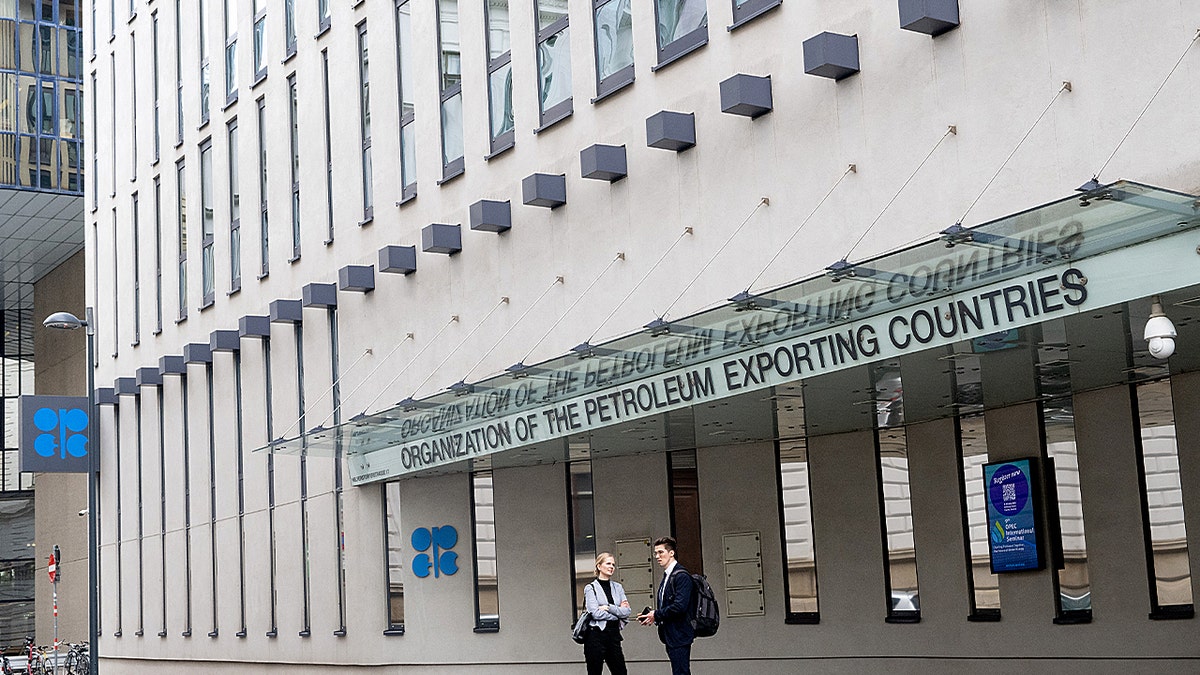
History has a funny way of biting back. In 1960, Venezuela sat in a smoky room in Baghdad alongside nations like Saudi Arabia, Iran, Iraq, and Kuwait to give birth to OPEC. They wanted to protect their oil revenues from western conglomerates. Fast forward to today, and that same nation is caught in a geopolitical vortex that could structurally alter how global crude oil markets operate.
You hear a lot of chatter about oil cartels losing their grip. But the reality on the ground is way messier. Venezuela holds the world’s largest proven crude reserves. Yet, its production sits at a fraction of its historical peak due to years of mismanagement, heavy infrastructure decay, and crippling sanctions. When a producer with nearly 300 billion barrels of oil trapped underground becomes a wild card, energy traders need to pay attention.
The Architectural Flaw of OPEC Plus
OPEC was never meant to be a charity club. It’s an alliance built on quotas, discipline, and shared pain. Back in the day, Caracas was a core pillar of that discipline. Juan Pablo Pérez Alfonzo, Venezuela’s co-founder of the cartel, envisioned a permanent mechanism to keep prices high by controlling supply.
That model faces an existential threat today.
- Member states cheat on quotas when prices drop.
- Non-cartel production from shale basins alters traditional supply lines.
- Geopolitical isolation turns certain members into rogue sellers.
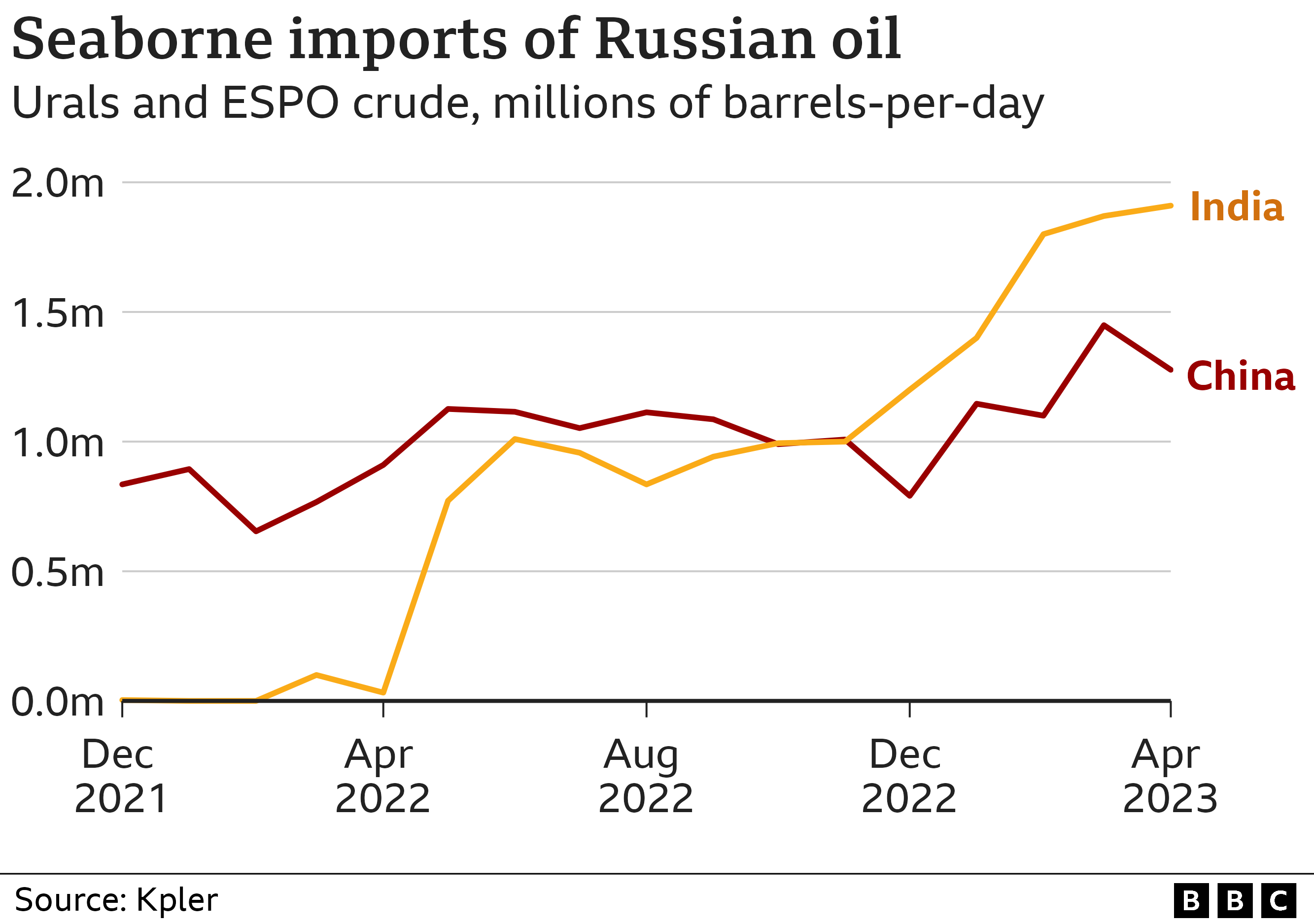
Venezuela’s current predicament exposes the limits of cartel control. Because sanctions forced the country to find alternative buyers—primarily shipping heavy crude to Asian refiners at heavy discounts—it operates largely outside the standard pricing transparency web. When a founding member has to sell barrels under the table just to keep the lights on, the psychological contract of the cartel starts to fray.
What Sanctions and Shifting Alliances Mean for Crude
Let's look at the numbers. At its peak in the late 1960s and 1970s, Venezuela pumped over 3.5 million barrels per day. Today, output has sputtered around the 800,000 to 900,000 barrel mark, depending on the month and whether temporary license waivers from Washington are active.
This creates a bizarre paradox for the global energy supply.
If sanctions ease permanently, a flood of heavy sour crude could hit the market. Refineries along the US Gulf Coast—which were specifically engineered to process heavy Venezuelan crude—are desperate for these barrels. But a sudden surge in legal supply would throw off OPEC's current production quotas. Saudi Arabia and Russia, the architects of the OPEC Plus coalition, work overtime to keep prices stable through artificial scarcity. A resurgent, fully unlocked Venezuela doesn't play by their rules anymore. They need maximum volume to rebuild a broken economy, which directly clashes with the cartel's strategy of capping output to prop up prices.
On the flip side, if sanctions tighten and foreign oil majors pull out again, Venezuela's infrastructure edges closer to total collapse. That removes any hope of spare capacity coming online when global demand spikes.
The Structural Threat to Global Pricing
Traders often focus on immediate inventory reports while missing the structural shifts underneath. The threat Venezuela poses to OPEC isn't about massive immediate output breaking quotas tomorrow. It's about precedent.
When a founding member proves that you can survive outside the traditional western-aligned banking and shipping infrastructure, other frustrated members take notes. Shadow fleets, alternative currencies, and bilateral non-dollar oil deals chip away at the centralized pricing power that OPEC spent decades building.
You're seeing a fractured market replace a managed one.
Moving Forward in a Volatile Energy Market
If you're managing exposure to energy assets or just trying to understand where crude prices are headed, stop looking at official quota announcements in isolation. Pay close attention to licensing waivers, tanker tracking data through sanctions zones, and how refining margins adjust for heavy sour grades. The cartel's monopoly on market management is cracking from the inside out, and the ghosts of OPEC's founding fathers are watching a very different game unfold.