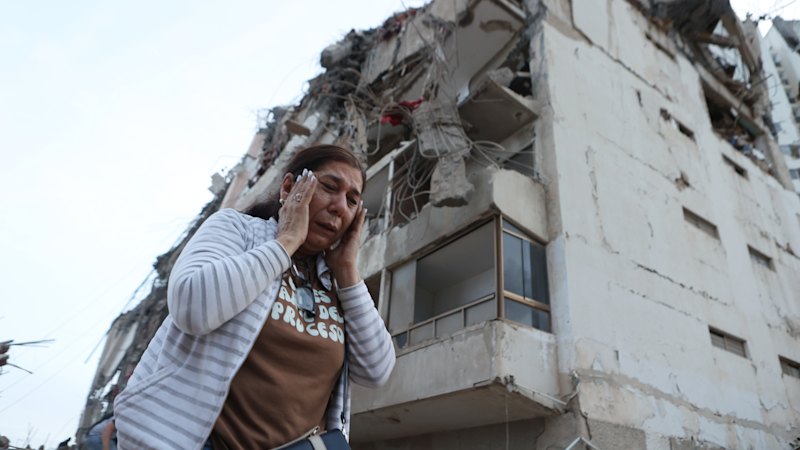
A devastating double-strike has changed life in Venezuela in under a minute. On the evening of June 24, 2026, two massive earthquakes hit the north-central coast right after each other. The first was a magnitude 7.2 shock. Just 39 seconds later, a massive 7.5 magnitude mainshock followed.
Seismologists call this a doublet event. For people on the ground, it felt like an endless nightmare. Buildings already cracked by the first tremor simply shattered during the second. Read more on a connected subject: this related article.
Right now, the official data tells a dark story. Lawmakers have confirmed at least 188 dead, more than 1,520 injured, and 157 people officially listed as missing. But if you talk to anyone on the ground in Caracas or La Guaira, they will tell you those numbers are just the beginning. The US Geological Survey issued an early estimate warning that the final death toll could ultimately settle anywhere between 10,000 and 100,000 people.
The immediate search intent for anyone looking up this disaster is clear: How bad is it, who is trapped, and what happens next? Here is the reality behind the headers. More analysis by The New York Times explores similar perspectives on this issue.
The Chaos on the Ground in Greater Caracas
The epicenters were near Morón, about 100 miles west of Caracas. Yet, the impact in the capital and the nearby state of La Guaira has been brutal.
Imagine trying to run out of an apartment building with your family while the ground rolls like waves on an ocean. That is exactly what happened. Local infrastructure took a massive hit. Hospitals are damaged, yet they are crammed with over 1,500 injured people. The Simon Bolivar International Airport reports critical damage, halting normal transit and complicating the arrival of early aid.
Power grids failed immediately. Phone lines are mostly dead or highly intermittent. This makes finding missing relatives agonizingly slow. Families are resorting to writing names on physical boards outside makeshift shelters and community centers.
Why Rescue Operations Are Facing an Uphill Battle
Time is running out for hundreds of people stuck under crushed concrete. The first 72 hours are vital for saving lives. However, local rescue teams face severe challenges that most standard news reports ignore.
- Constant Aftershocks: Heavy tremors keep rattling the coast. Every time the ground shakes, rescuers have to pull back from unstable concrete piles to avoid being buried themselves.
- Heavy Equipment Shortages: Decades of economic strain mean Venezuela lacks the modern robotic and acoustic search tools required for deep rubble rescue. Teams are mostly using shovels, basic drills, and their bare hands.
- The "Doublet" Effect: Because the two earthquakes hit within 39 seconds of each other, building foundations did not just fracture; they completely pancaked. This leaves fewer survival pockets inside the ruins.
Acting President Delcy Rodríguez declared a national state of emergency late Wednesday. Parliament Speaker Jorge Rodríguez confirmed the current casualties in a televised address, noting that relief operations are dealing with a disaster of enormous proportions.
Europe Steps In
Realizing the scale of the crisis, Venezuela has officially requested assistance through the European Civil Protection Mechanism.
The response was quick. Spain, Italy, and the Czech Republic have immediately offered to send specialized urban search-and-rescue teams. These foreign crews bring specialized search dogs and listening devices that can detect faint heartbeats deep beneath collapsed structures.
Meanwhile, regional neighbors like the Colombian Red Cross have mobilized their teams to the border, waiting for the green light to deploy. The Venezuelan Red Cross is active on the streets, despite suffering structural damage to its own national headquarters in Caracas.
If you want to help, avoid sending physical goods like clothes or canned food right now. Logistics at the damaged ports and airports are messy. The best approach is donating directly to established groups like the International Federation of Red Cross (IFRC) or World Vision, who already have active teams buying medical supplies locally on the ground.