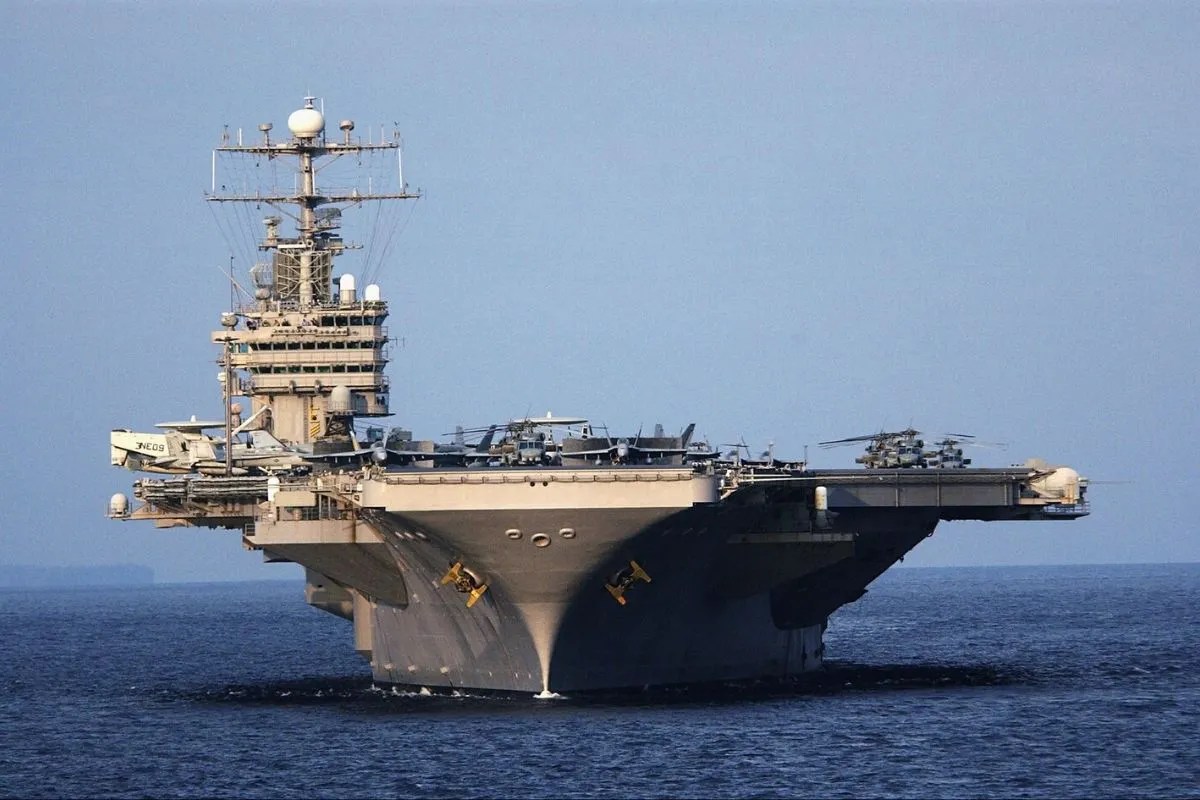
You don't spend more than 250 consecutive days floating in high-stakes combat zones without paying a heavy toll. When the USS Abraham Lincoln finally turned its bow toward Thailand, it wasn't just a casual pit stop. It marked the overdue end of a historic, exhausting deployment that tested the psychological and mechanical limits of nearly 5,000 sailors and Marines.
For months, the massive Nimitz-class nuclear-powered aircraft carrier sat as a floating epicenter of American power in the Middle East. It spearheaded intense operations during the U.S. conflict with Iran, launching F/A-18E Super Hornets day and night. But glory on the front lines hides a grueling reality below deck.
Breaking the Record for Isolation at Sea
When the carrier left Naval Air Station North Island in San Diego back on November 21, 2025, the crew anticipated a standard six-month rotation. Wars don't care about schedules. As tensions in the Middle East boiled over, Washington extended the mission indefinitely.
Aside from a single resupply stop in Guam back in mid-December 2025, the ship remained isolated at sea. That stretch crossed the 250-day mark without a true port visit, setting a modern-day record for consecutive days underway. For five months straight, the crew lived in a floating metallic bubble, cut off from land, fresh food supplies, and reliable mail delivery.
The Untold Struggles Behind the Flight Deck
Public relations releases from defense officials often highlight precision strikes and tactical dominance. They rarely mention cold showers, chronically clogged toilets, and rations consisting of boiled carrots and gray processed meat patties.
Leaked text messages and family reports paint a starkly different picture. Morale frayed under the relentless operational tempo. Reports emerged of severe fatigue, isolation, and mental health strain among the crew, including isolated incidents where sailors went overboard. Lawmakers in Washington, including Democratic senators like Patty Murray and Chris Coons, demanded independent strategic reviews into shipboard conditions, mental health support, and communication pipelines with families back home.
Defense Secretary Pete Hegseth defended the mission's tactical success, praising the crew for operating in a hostile theater. Yet, the physical degradation of both ship and sailor sparked intense debates about how far the Pentagon can push naval personnel before breaking them.
Why Thailand and What Happens Next
The arrival of the USS George Washington in the Arabian Sea finally allowed Central Command to relieve the Lincoln. As it sails home toward the United States, the scheduled port call in Thailand serves a critical purpose.
Thailand represents America's oldest treaty ally in mainland Southeast Asia. For the weary crew of the Lincoln, docking at a Thai port offers a brief window for rest, recreation, and vital logistical reloading. Thai naval officials confirmed the stop is purely logistical and recreational, designed to let personnel decompress before tackling the final trans-Pacific voyage home to San Diego.
Extended deployments reveal the hidden friction points of modern superpower competition. Ships can run on nuclear power for decades, but the humans operating them have limits.
The Lincoln is finally coming home. The real question is whether the Pentagon will change how it manages future rotations before another crew pays the price.