Elon Musk has a body count problem.
Move past the plunging SpaceX stock following its initial public offering. Set aside the pile of Tesla lawsuits. Right now, the real crisis is playing out on X, where the world's richest man is aggressively crashing out over the corpses of children in the Democratic Republic of the Congo.
When the Department of Government Efficiency (Doge) rolled into Washington, Musk treated the US Agency for International Development (USAID) like a bloated Twitter engineering department. He wanted to cut until people screamed. The problem is that when people scream in global health, they don't just complain on an internal Slack channel. They bleed out from their eyes.
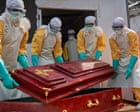
As a brutal Ebola outbreak rips through the DRC, the true cost of treating governance like a tech startup is coming due. This isn't about cutting corporate waste. It's about how a short-sighted crusade against global health systems turned a predictable outbreak into a full-blown emergency.
The Myth of the Accidental Ebola Cut
Musk went on camera during a Cabinet meeting to tell the world that Doge made a tiny, temporary mistake. He claimed they "accidentally" canceled Ebola prevention for a brief moment but restored it immediately with zero interruptions.
It sounds nice. It's also a total lie.
Public health experts and former officials like Dr. Craig Spencer, an Ebola survivor, have repeatedly pointed out that there's no single line item in a government spreadsheet labeled "Ebola Prevention" that you can just switch back on. Preventing a pandemic requires thousands of interconnected moving parts. It means keeping field clinics open, maintaining border screening at airports like Entebbe in Uganda, and keeping local health workers on the payroll so they can spot early cases.
When Doge took a chainsaw to USAID and folded its fractured remnants into a State Department that has no idea how to manage medical infrastructure, they broke the machine. You can't just issue an emergency funding waiver and expect things to work when you've already fired the people who know how to sign the checks. The disease surveillance systems across Sub-Saharan Africa were systematically dismantled based on right-wing conspiracy theories that USAID was just a CIA front.
Because of those cuts, the Bundibugyo strain of Ebola circulated completely undetected for six to eight weeks in northeastern Congo before laboratories could even confirm its existence. By then, the virus had already crossed health zones.
Moving Fast and Killing People
The Silicon Valley playbook doesn't work when the product is human survival. Former top USAID official Jeremy Konyndyk notes that Musk's corporate strategy has always been to slash aggressively, wait for the system to break, and then walk back the cuts just enough to keep things standing.
"That’s not how public funding works," Konyndyk warned. "Here the cost is literal human lives."
Consider the sheer scale of the damage. A study published in The Lancet estimated that completely abolishing USAID would trigger up to 14 million preventable deaths, including 4.5 million children. When California Representative Ro Khanna brought up these metrics, Musk didn't offer a data-driven rebuttal. He threatened to sue. When journalists confronted him with the specific names of children who died because local medical programs lost funding, Musk melted down online, calling reporters "utterly evil" and liars.
The defense from the administration has been that the canceled contracts didn't serve American interests. But letting infectious diseases mutate and spread globally without early warning systems is a massive national security threat. When you cut off drug trials for drug-resistant tuberculosis or fire hundreds of disease tracking experts, you aren't saving money. You're just flying blind into the next pandemic.
The Long Term Costs of Turning Inside
The immediate horror is the death toll, but the structural damage to American soft power will last for decades. For over sixty years, USAID operated as a highly visible asset of American diplomacy. Every box of supplies stamped "From the American People" bought goodwill and built deep intelligence partnerships with foreign health ministries.
Now, that trust is completely gone. When the United States abruptly breaks its promises and walks away from global health partnerships, other global powers are waiting to step into the vacuum. Russia and China are already moving to replace American influence in these regions.
Worse, local governments now have absolutely zero incentive to be transparent about future outbreaks. If sharing data with international bodies only leads to sudden funding freezes and abandoned clinics, countries will hide their sick. Outbreaks will grow larger, move faster, and eventually reach American shores before anyone even knows they exist.
If you want to protect your community from global health threats, the work has to happen where the diseases start. The next steps aren't complicated, but they require moving past the tech-bro hubris that ruined these agencies in the first place.
- Recondition the Funding Channels: Congress needs to assert its legal authority to bypass the State Department bottleneck and force the release of frozen health appropriations directly to international responders.
- Rebuild Local Surveillance: Re-establish basic border screening and local laboratory contracts in East Africa immediately, before the current Ebola strain hits major international transit hubs.
- Restore Technical Leadership: Stop letting political tech appointees manage epidemiological logistics and put experienced disaster response professionals back in charge of the remaining active health portfolios.