The fragile Middle East ceasefire didn't just crack this week; it completely shattered. When US projectiles hit the perimeter of Iran's Bushehr Nuclear Power Plant during a massive 90-strike blitz, the conflict entered a dangerous new phase.
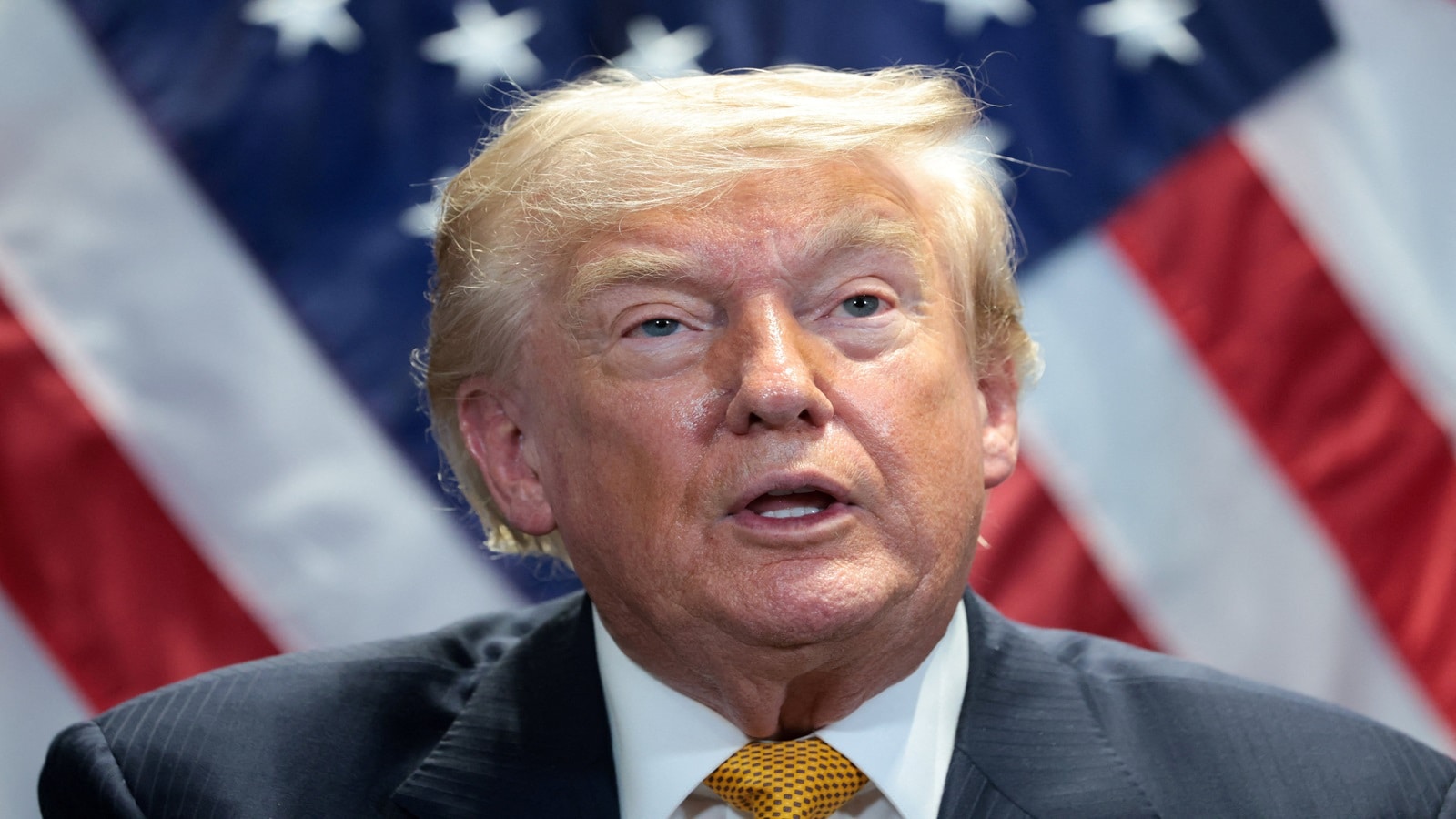
Donald Trump didn't mince words at the NATO summit in Ankara, flatly declaring the hard-fought interim agreement "over". For anyone watching global energy security or defense policy, the real story isn't just a localized exchange of fire. It is a fundamental shift in how Washington intends to police the Strait of Hormuz. Meanwhile, you can find similar developments here: Why Britain Squeezing Diamond Light Source Is A Major Step Backward For Uk Science.
The Line in the Sand is Gone
Let's look at the actual facts on the ground. According to Ehsan Jahanian, the deputy governor of Bushehr province, American strikes hit multiple targets in the region around noon local time on Thursday. While the reactor itself wasn't directly hit, the decision to strike the immediate perimeter of a Russian-assisted nuclear facility sends an unmistakable, terrifying message to Tehran.
The US Central Command (CENTCOM) confirmed a sprawling campaign designed to systematically dismantle Iran's defensive and offensive capabilities. They targeted: To explore the bigger picture, check out the detailed report by NPR.
- Air defense systems and coastal radars
- Over 60 small boats used by the Islamic Revolutionary Guard Corps (IRGC)
- Drone storage facilities and logistical networks
- Key transit infrastructure, including railway bridges connecting to Mashhad
This wasn't a warning shot. It was a crippling blow to Iran's southern maritime strategy.
Why Trump Called the Ceasefire Over
You might wonder why a truce signed just last month fell apart so quickly. The answer lies in the total impasse over who actually controls the Strait of Hormuz.
The interim deal was supposed to guarantee free transit without fees. Instead, Tehran insisted on managing the routes and threatened to levy future charges on commercial shipping. When Iran attacked three cargo ships earlier in the week, Trump decided diplomacy was a waste of time.
"If they shoot at ships, we’re going to knock the hell out of them," Vice President JD Vance summarized bluntly.
The economic fallout hit immediately. Brent crude spiked past $80 a barrel following Trump's comments, reminding the world exactly how dependent global markets remain on this specific choke point.
Iran Strikes Back
Tehran didn't take the onslaught lying down. The IRGC launched coordinated drone and missile responses targeting regional American hubs.
They fired at Patriot missile batteries in Kuwait, an early warning satellite facility in Qatar, and a naval fuel depot in Bahrain hosting the US Fifth Fleet. While Gulf air defenses intercepted most of the threats, the scale of the retaliation shows that Iran is willing to risk a total regional war rather than yield control of the shipping lanes.
What Happens Next
The immediate focus shifts to Kharg Island, the terminal handling roughly 90% of Iran's crude exports. Trump has already explicitly threatened to seize the island if shipping attacks continue.
If you are an energy trader, a defense analyst, or simply trying to understand your rising fuel costs, stop looking for a diplomatic exit ramp. The US administration is clearly prepared to use overwhelming military force to guarantee maritime trade, and Iran is dug in for a long, asymmetrical fight. Monitor oil price resistance levels at $85 and track CENTCOM transit advisories for merchant vessels near Oman. The old rules of engagement are officially dead.