The fragile peace in the Middle East is unraveling faster than anyone anticipated. Just weeks after President Donald Trump signed a historic 14-point memorandum of understanding (MoU) in June to pause the conflict and reopen the critical Strait of Hormuz, the whole arrangement is on the verge of imploding.
Senior U.S. officials are running out of patience. A new Wall Street Journal report highlights deep pessimism spreading through the Trump administration. Washington has issued a blunt warning to Tehran: show absolute compliance with the temporary peace accord right now, or forget about broader nuclear negotiations.
This isn't just about diplomatic posturing. If you look past the political theater, the real stakes are visible in global energy markets. The brief window of stability that brought Brent crude back down to prewar levels is slamming shut, and the consequences for global shipping and oil prices could be severe.
The Strait of Hormuz Sticking Point
You can't understand why these talks are stalling without looking at the waterway where 20% of the world's oil transits. The June agreement was supposed to be simple. Iran gets financial relief, and in exchange, it guarantees safe commercial shipping through the Strait of Hormuz.
Instead, Tehran chose a different path. Rather than stepping back, Iran has asserted sole control over the waterway. It has warned commercial vessels against taking unapproved exit routes and has launched sporadic strikes on ships trying to transit.
Washington's response has been an immediate hardening of its stance. U.S. officials want a public declaration from Tehran stating the Strait of Hormuz is fully open to international shipping, alongside a binding commitment to end all hostile actions against commercial vessels. One official even floated a strict weekend deadline, warning of serious consequences if Tehran refused to budge. While other insiders downplayed the hard deadline, the message is clear: the U.S. won't negotiate under fire.
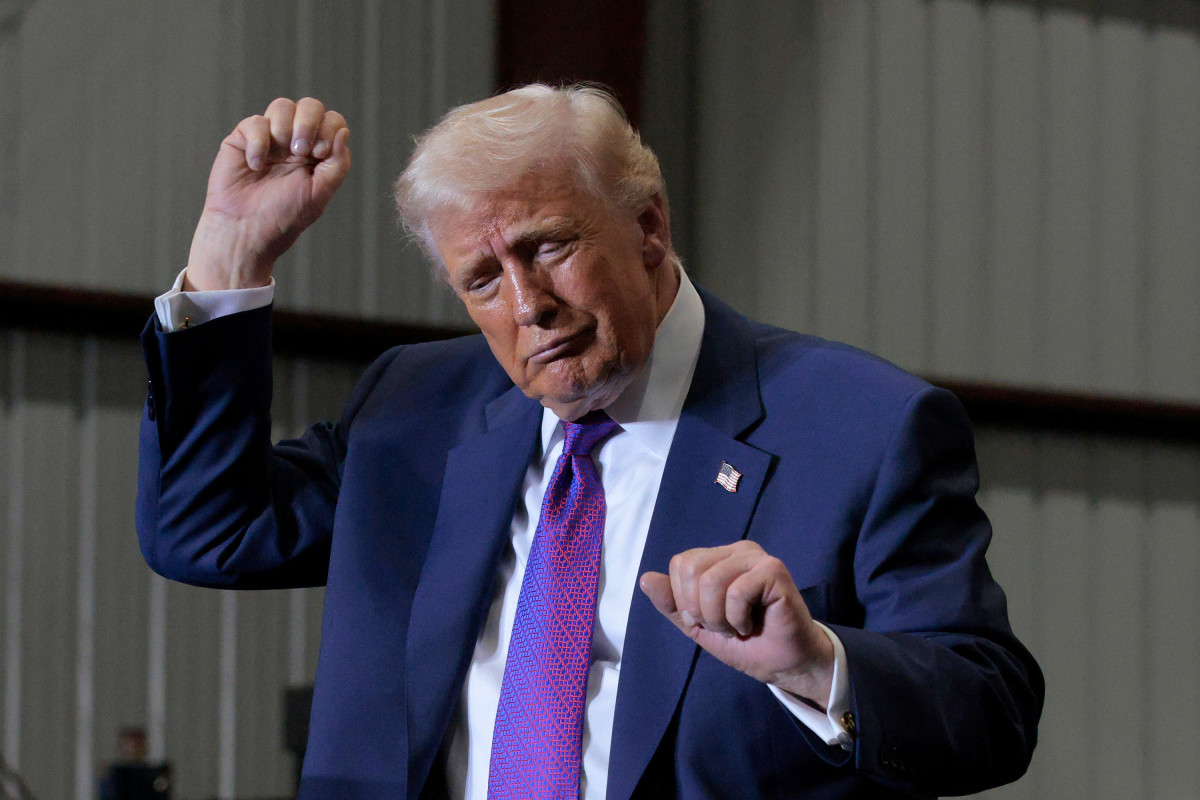
Trump himself summarized the administration's frustration bluntly to reporters: "They violate the agreement every day, they lie, they cheat, they kill people. They'll never build a nuclear weapon under our deal, but I don't know if we're going to have a deal."
The Nuclear Line in the Sand
Beyond the shipping lanes, the core dispute remains Iran's advanced nuclear capabilities. The temporary 60-day MoU was designed to buy time for a permanent deal. But the U.S. position hasn't softened an inch.
Any permanent agreement requires Iran to completely surrender its stockpile of highly enriched uranium. This is a massive hurdle for Tehran, which views its nuclear program as its ultimate geopolitical leverage.
The administration is already squeezing Iran to prove its point. Washington recently reimposed heavy sanctions on Iranian oil exports. It also blacklisted prominent figures, including businessman Ali Ansari and associated entities, to punish Tehran for violating the June truce. U.S. officials are making sure Iran knows the military option hasn't left the table. If diplomacy collapses, the administration retains the tactical means to neutralize Iran's nuclear material by force.
What This Means for Global Oil Markets
If you're watching the markets, this breakdown changes everything. The Twelve-Day War earlier this year sent shockwaves through the global economy when the strait was first choked off. The subsequent June ceasefire allowed oil supplies to recover and pushed prices down to manageable levels.
That brief respite is over. The renewed military friction and the threat of an collapsing ceasefire mean uncertainty is back with a vengeance.
- Supply Risks: Any sustained closure or persistent targeting of ships in the Strait of Hormuz removes millions of barrels of crude from the market overnight.
- Price Volatility: Brent crude has already shown signs of renewed friction, and traders are pricing the geopolitical risk back into the market.
- Economic Strain on Iran: Iran is already dealing with a devastating domestic economic crisis, rampant inflation, and widespread power outages. A return to an active U.S. naval blockade will push its economy past the breaking point.
What Happens Next
The next few days will determine whether the region slips back into open conflict. Trump faces a complicated calculus. He wants a definitive victory, but returning to an all-out war carries major economic risks for the U.S. domestic agenda. Iran, conversely, is playing a dangerous game of brinkmanship, trying to use its geographic leverage over the global energy supply to force sanctions relief without giving up its nuclear ambitions.
Watch the shipping activity in the Strait of Hormuz over the coming days. If Iran refuses to offer the public guarantees Washington is demanding, expect the U.S. to scale up its naval presence and tighten the economic vice even further. The window for diplomacy is officially closing.