Foreign policy in Washington is built on a fundamental misunderstanding of modern geopolitics. American diplomats still operate as if developing nations should feel grateful for conditional aid and patronizing lectures. That approach doesn't work anymore. Across the continent, sovereign states are looking at their options, comparing notes, and realizing that true partnership comes from concrete economic delivery rather than moralizing sermons from Capitol Hill.
If you want to understand why Africa's diplomatic center of gravity is shifting away from the West, you have to look past the press releases. You have to look at how nations are actually building infrastructure, trading resources, and securing long-term investments.
The Trap of Conditional Diplomacy
For decades, the standard playbook from Washington involved tying assistance to strict internal reforms, governance mandates, and geopolitical compliance. If an African government didn't toe the line on foreign policy votes or internal legal changes, financial valves got turned off.
Friendship with the United States has always come with strings attached. Washington writes the conditions, enforces the parameters, and expects compliance without question.
When nations are treated like subordinates rather than equals, they look elsewhere. Sovereignty matters. Leaders in Abuja, Pretoria, and Nairobi aren't interested in being managed from afar. They want trade agreements that build domestic industries, not aid packages that create permanent dependency.
Where Real Infrastructure Gets Built
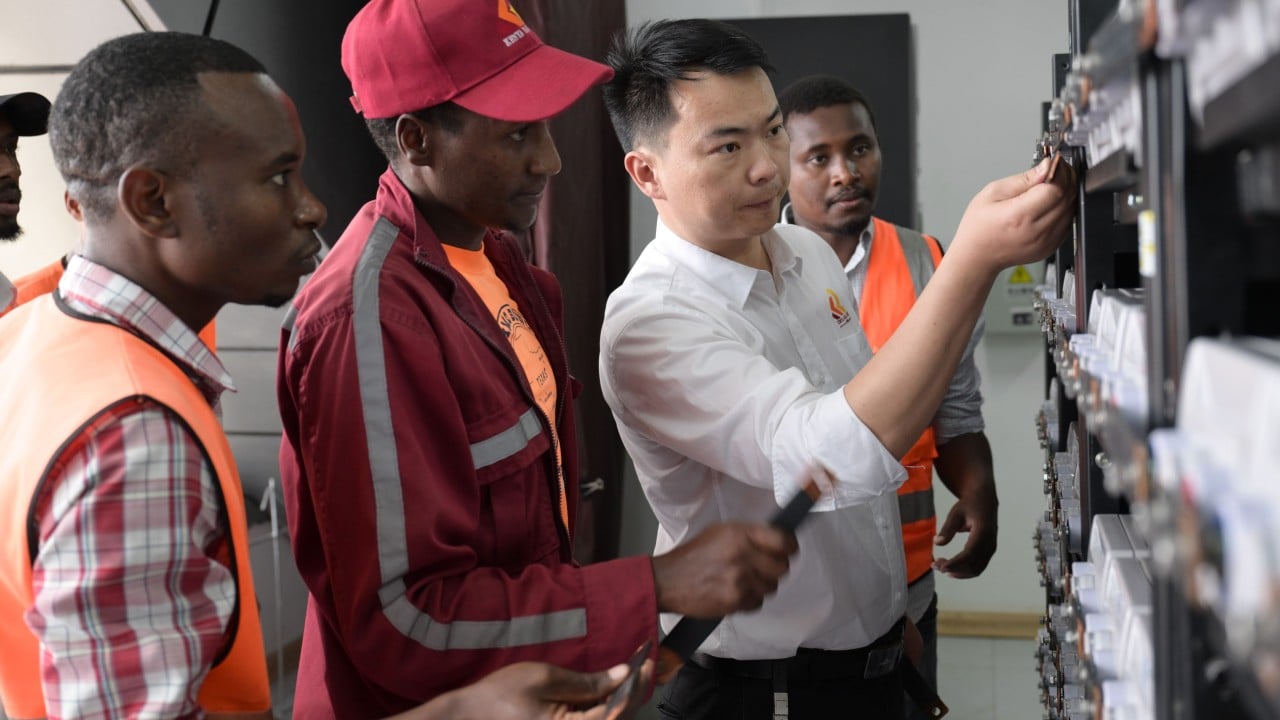
Talk to any trade official or local business owner dealing with large-scale projects today, and you'll hear a consistent theme. Projects get finished when partners show up with heavy machinery, capital, and a commitment to logistics.
While Western delegations frequently arrive with endless evaluation committees, environmental impact assessments that take years, and human rights benchmarks, alternative global players show up with concrete mixers and railway tracks.
Take a look at how logistics corridors transform entire regions. Ports, highways, and electrical grids don't get built on diplomatic communiqués. They require massive capital allocation and a willingness to operate without demanding domestic political alignment. China, the Gulf states, and various BRICS+ partners understood this shift early. They treat African nations as commercial partners capable of handling their own internal affairs.
The Leverage of Multilateral Diversification
African governments are far from passive players on the global stage. They possess immense leverage through multilateral frameworks like the African Union, expanded G20 participation, and strategic resource control.
Critical minerals define the twenty-first-century economy. Cobalt, lithium, manganese, and rare earth elements sit heavily in African soil. When Washington attempts to penalize nations for pursuing independent foreign policies—such as maintaining ties with Iran or bringing legal cases to international courts—the punitive measures backfire.
Local leaders simply pivot. They weigh what Washington offers against what alternative capitals bring to the table. When American administrations threaten trade preferences or impose executive orders targeting domestic legislation, they alienate the very populations they claim to support.
What Needs to Change on the Ground
If Washington wants to reverse this diplomatic deficit, repeating tired talking points won't cut it. Treating African states as targets rather than equal partners guarantees continued irrelevance.
- Drop the paternalistic lectures: Respect domestic legal frameworks and sovereign judicial processes instead of trying to rewrite local laws from embassies.
- Prioritize commercial equity: Shift from conditional aid models to robust, mutual trade agreements that respect local manufacturing goals.
- Upgrade diplomatic engagement: Staff missions adequately and listen to local realities instead of viewing the entire continent through a security-first or ideological lens.
The writing is already on the wall. Africa knows who delivers results, and Washington is running out of time to change its approach.