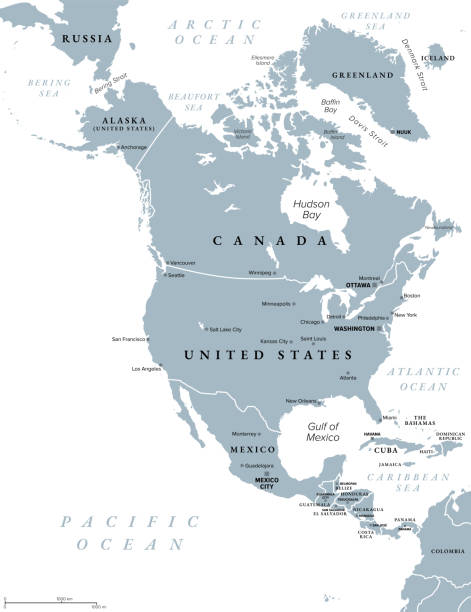
Trade wars rarely start with a quiet disagreement. They usually begin with a sudden collapse at the negotiating table, followed immediately by economic retaliation. That is precisely what happened when talks between Washington and Ottawa fell apart, prompting Canada to launch retaliatory tariffs on roughly 20 billion dollars worth of American goods. If you think this is just standard political posturing, look closer at the numbers. This escalation tears at the seams of supply chains that took decades to build.
What Triggered the Latest Trade Retaliation
The breakdown materialized after weeks of tense discussions. The Trump administration implemented heavy 50 percent tariffs on about 20 billion dollars worth of Canadian exports, hitting everything from everyday consumer items to industrial materials. Canadian Prime Minister Mark Carney didn't mince words, stating clearly that Canada would match the US levies dollar for dollar starting September 8.
Ottawa’s counter-tariffs target a sprawling list of American products. Steel, aluminum, dairy items, electronics, appliances, and agricultural machinery are all in the crosshairs. Rates will range from 15 percent to a punitive 50 percent, directly mirroring the duties imposed by Washington. Canadian officials insist the point isn't to boost government revenue. The strategy aims to shield domestic industries and force a reassessment in the United States.
Why the Negotiations Collapsed
Both sides walked away pointing fingers. Washington claimed Canada made sudden, unreasonable demands at the eleventh hour and backed away from a broader security and economic pact. Ottawa countered that the final terms put forward by the US were entirely uneconomic and designed to subordinate Canadian manufacturing.
When compromise vanished, the rhetoric turned sharp. President Donald Trump took to social media to criticize Canadian leadership and threatened even steeper automotive duties effective early next year. Meanwhile, provincial leaders in Canada signaled that everything from critical minerals to electricity exports could become leverage if the situation deteriorates further.
The Economic Realities for Businesses and Consumers
Integration defines the US-Canada economic corridor. Automotive components, energy grids, and agricultural supply chains cross the border multiple times before a product ever reaches a final buyer. Disrupting that flow creates immediate friction.
Canadian authorities rolled out a multi-billion-dollar support package to cushion local companies from the shock. Even so, corporate leaders warn that higher input costs will eventually trickle down to everyday shoppers. Grocery aisles, hardware stores, and retail clothing outlets on both sides of the border are bracing for margin compression and price volatility.
Where the Trade Relationship Goes From Here
Old assumptions about permanent free trade between these neighbors no longer apply. Ottawa is actively looking to diversify its economic partnerships to reduce long-term vulnerability. Expect supply chain re-routing to accelerate as corporate strategists plan for a prolonged period of protectionist friction. Watch the September implementation dates closely, because businesses that fail to adjust their sourcing now will absorb the highest costs.