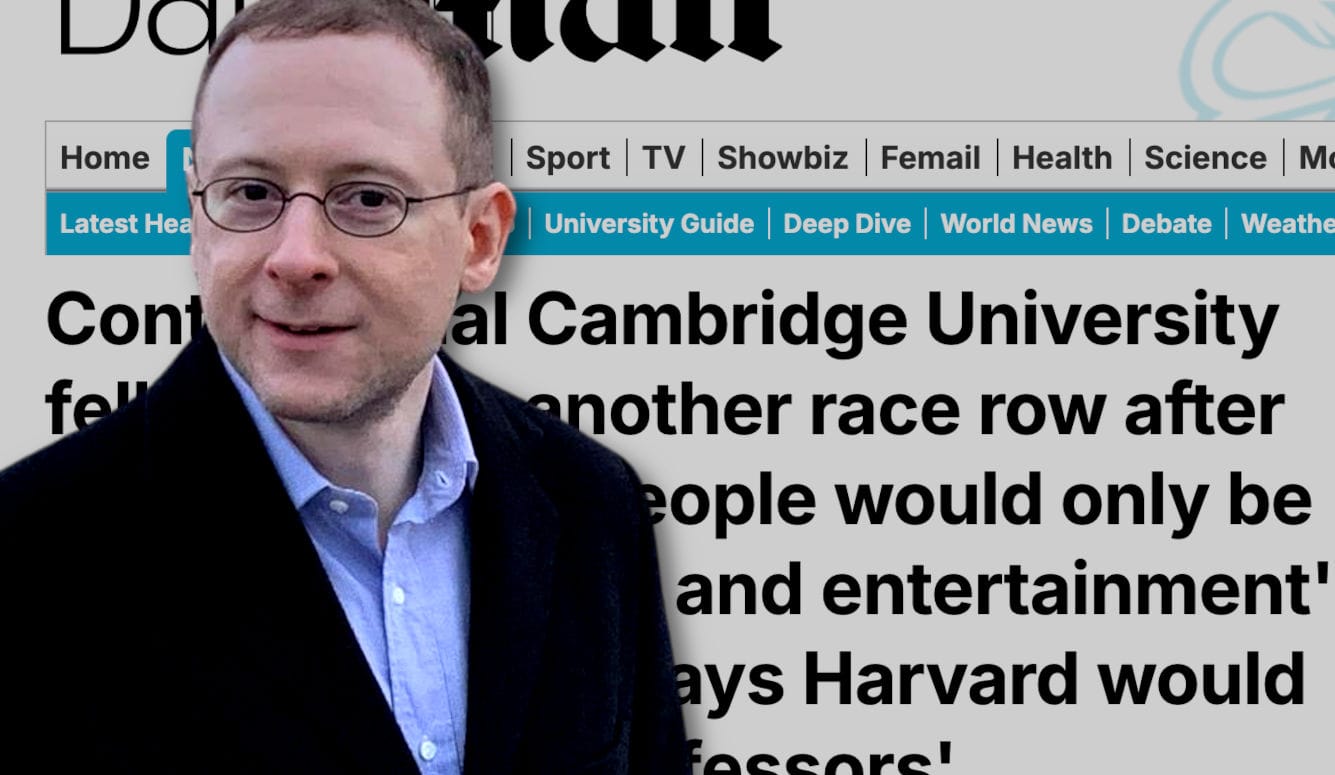
When Nathan Cofnas published his analysis of Jason Arday’s 2015 PhD thesis, he probably knew he was kicking a hornet's nest. He wasn't just checking citations; he was systematically deconstructing the academic credentials of one of Cambridge University’s most prominent, and youngest, Black professors. Today, that decision has cost him his position at Ghent University—or at least, it’s well on its way to doing so.
Cofnas announced his suspension on social media, noting that Ghent University rector Petra De Sutter had initiated the disciplinary process. He’s being investigated for "discriminating against Arday." It’s a messy, volatile situation that touches on academic freedom, the integrity of research, and the suffocating pressure of identity politics within modern higher education.
The Breakdown of the Arday Allegations
The core issue isn't just a handful of sloppy footnotes. Cofnas used software like Copyleaks to identify dozens of passages in Arday’s doctoral work that appeared nearly identical to a 2009 dissertation by Paula Zwozdiak-Myers. When the public started looking closer, they didn't just find potential plagiarism. They found a pattern of questionable claims regarding Arday’s biography, including his supposed early-life struggles with literacy and speech.
For a long time, these concerns were treated as a "vile campaign" by university leadership. Institutions like Cambridge seemed more focused on protecting their diversity initiatives than performing rigorous quality control. But when the evidence became too loud to ignore, the entire narrative collapsed. Arday resigned from Cambridge in early August. Days later, he was found dead.
The Institutional Reaction
Ghent University’s response is a case study in how modern institutions manage reputational risk. They claim to value "open academic debate," yet they draw a hard line when that debate challenges protected narratives. By suspending a researcher who brought forward evidence of academic malpractice, they aren't necessarily proving the accused is innocent—they are signaling that the method of the accusation is now a punishable offense.
This creates a chilling environment. If you want to challenge a colleague's work, you now have to navigate a minefield of potential "discrimination" charges. The message is clear: stick to the script, or prepare to be investigated.
What This Means for Academic Standards
The Arday case is a symptom of a larger, systemic dysfunction. When universities prioritize political goals—like filling specific diversity quotas—over the traditional meritocratic standards of scholarship, they inevitably lower the bar. When that bar is lowered, you don't just get "less qualified" hires; you get candidates who feel forced to fabricate aspects of their background or scholarship just to survive.
Cofnas himself is a lightning rod. He’s been fired from positions before, including at Cambridge’s Emmanuel College, largely due to his outspoken views on hereditarianism. His history makes him an easy target for universities looking to distance themselves from a controversy. They don't have to address the merit of his plagiarism findings if they can simply label him a provocateur and show him the door.
The Real Cost of Silence
We have to ask: what happens to academic integrity when the messenger is treated worse than the offender? By suppressing internal investigations and punishing those who highlight inconsistencies in doctoral theses, universities are essentially telling the public that their degrees might not mean what they used to.
If a PhD thesis can be built on copied material and questionable biographical data, the entire value proposition of a university education takes a hit. We need independent, rigorous auditing of academic work, regardless of who is in the chair. Right now, it’s clear that universities are more interested in preserving their public image than they are in ensuring their professors actually did the work.
Where Things Stand Now
As of today, Cofnas is effectively sidelined. The university has initiated a "preliminary disciplinary investigation" to see if there are grounds for permanent dismissal. This isn't just about one man’s career. It’s about the total breakdown of trust between the academy and the public.
If you're watching this from the sidelines, don't expect a clean resolution. These institutions will likely bury the details, invoke "confidentiality" to avoid transparency, and wait for the news cycle to shift. The question of whether Arday’s work was original or whether the university failed its duty of care will likely remain in the shadows, buried by bureaucratic maneuvering and personal attacks.
The standard for academic research should be transparency. When an institution shuts down an investigation into plagiarism to avoid social backlash, they aren't being inclusive. They are being deceptive. It’s time we demand better accountability from the institutions that claim to be the pillars of our society.