When a region stays under a prolonged communication blackout while security forces clamp down on everyday citizens, the world usually looks away. That is precisely what is happening in Pakistan-occupied Jammu and Kashmir, and it's time to talk about why international bodies are finally being forced to listen.
During the 63rd Session of the United Nations Human Rights Council in Geneva, Nasir Aziz Khan, the central spokesperson of the United Kashmir People's National Party, stood up and laid bare a disturbing reality. He detailed an intense crackdown on the Joint Awami Action Committee that has gripped PoJK since June 5. If you've been wondering why local protests, supply shortages, and violent clashes keep making regional headlines, the answers lie in systemic state overreach and the suppression of basic civic freedoms. Recently making news lately: Why California Banning Child Marriage Finally Changes The Rules.
What is Actually Happening on the Ground in PoJK
The situation isn't just a political disagreement over governance. It has evolved into an active humanitarian crisis characterized by extrajudicial actions, excessive force, and severe restrictions on movement. Khan's address to the UNHRC highlighted specific, alarming incidents that local authorities have largely tried to sweep under the rug.
For months, towns like Rawalakot have experienced near-constant lockdowns. Essential supplies like food and medicine have faced deliberate blockades, squeezing civilian populations and triggering widespread shortages. Communication networks have been crippled, turning whole districts into isolated information deserts where accountability is nearly impossible to track. More details on this are detailed by USA.gov.
People aren't just protesting utility prices or administrative policies anymore. They are fighting for survival against an aggressive security apparatus.
The Human Cost Behind the Headlines
Numbers and political speeches often mask individual tragedies. At the UNHRC, Khan brought attention to specific names that demand immediate, impartial investigations: Shahzaib Habib, Fahad Barkat, Usman Nizami, and Dr Osama Jamil.
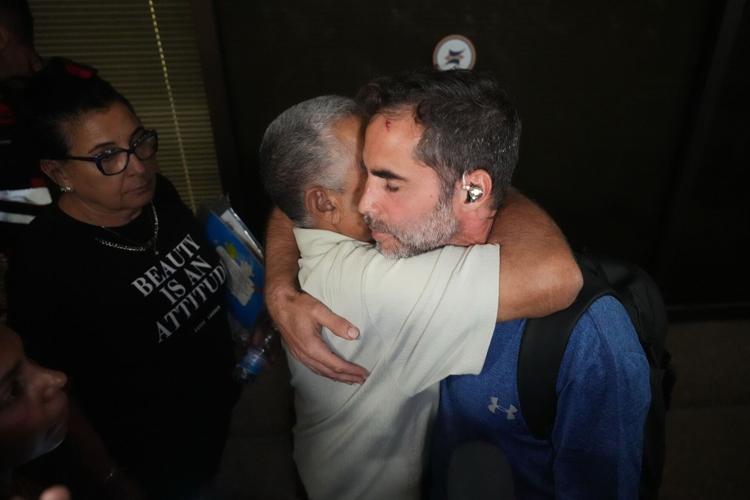
Consider the case of Fahad Barkat. He wasn't a militant or an armed agitator. He was a young Kashmiri who reportedly went to the Combined Military Hospital in Rawalakot simply to donate blood. Instead of returning home, he lost his life. Weeks later, his family has still faced immense hurdles just in demanding the return of his body for proper burial rites.
Situations like this illustrate why local frustration has boiled over into sustained civil unrest. When hospitals and humanitarian spaces become sites of violence, trust in authorities completely evaporates.
Demands Falling on Deaf Ears
The Joint Awami Action Committee has spearheaded months of agitation, pushing back against high electricity tariffs, inflated food costs, and heavy-handed policing. Yet, instead of opening genuine channels for negotiation, authorities have deployed arbitrary detentions and enforced disappearances. Prominent figures like Shaukat Nawaz Mir remain locked up while families of victims are left with no answers.
The core demands coming out of PoJK are remarkably straightforward:
- Release all detained activists immediately.
- Disclose the whereabouts of missing persons.
- Return withheld bodies to grieving families.
- Restore communication lines and resume open dialogue.
Yet, local leadership has consistently met these basic human requests with more blockades and force.
Why International Pressure Matters Now
Local activists know that domestic legal systems offer little recourse when state security forces act with total immunity. That's why taking these grievances to the United Nations Human Rights Council is a critical lifeline.
Khan's appeal in Geneva wasn't just about reading a list of grievances. He formally urged the international community to press Pakistan into fulfilling its human rights obligations. More importantly, he called for an independent fact-finding mission to deploy directly to PoJK.
Without external oversight, local crackdowns will continue behind closed doors and severed internet cables. If you care about human rights, tracking these developments isn't optional—it's necessary to ensure that silenced populations aren't forgotten entirely.