War usually destroys concrete and steel. Right now, it's turning millions of pages into ash. Over thirteen million books have been wiped out across Ukraine in recent months due to targeted missile and drone strikes, dealing a catastrophic blow to the nation's publishing ecosystem.
If you think this is just about lost inventory, you're missing the point. When a printing house in Kyiv or a major logistics hub in Kharkiv goes up in flames, it isn't just cardboard and ink disappearing. It's the immediate future of education, children's literature, and cultural survival.
The Scale of the Devastation
Let's look at the numbers because they're staggering. The Ukrainian Ministry of Culture reports that recent strikes have caused at least $39.3 million in direct damage to the publishing sector. Nearly a third of the country's entire annual print run vanished in a matter of weeks.
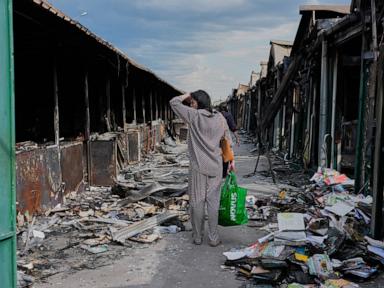
Take what happened at the Ranok publishing house logistics center in Kharkiv. Two explosive-laden drones struck the facility, triggering a massive fire that burned for days. Reinforced concrete melted. Eight million books were incinerated, including over 620,000 school textbooks destined for classrooms right before the academic year.
It wasn't an isolated incident. Print shops like Konvi have seen machinery smashed and paper supplies permanently frozen under water and debris from firefighting efforts. Warehouses belonging to Knyholav and various independent distributors have been hit repeatedly.
Why Publishers Are Target Number One
Culture isn't a byproduct of this conflict; it's a primary battleground. Officials in Kyiv point out that erasing literature is a calculated move to dismantle national identity. When you destroy schoolbooks, children's stories, and works by debut local authors, you attack the foundations of a society's future.
Viktor Kruglov, owner of Ranok, doesn't mince words about it. He calls the publishing industry an essential pillar of national security. Without physical texts, classrooms scramble, literacy programs stall, and the fragile pipeline keeping contemporary Ukrainian literature alive dries up.
Publishers face an impossible financial squeeze now. Replacing heavy printing machinery takes years and millions of euros. Because budgets are tight and risks are high, many publishing houses are forced to abandon debut writers entirely. They have to stick to safe, guaranteed bestsellers just to keep the lights on.
What Comes Next for Ukrainian Publishing
The government is piecing together support packages—state purchases for libraries, grants for small printers, and war-risk insurance initiatives. Yet, domestic funds can only stretch so far while the broader military defense consumes the country's main resources.
Industry advocates like Iryna Baturevych from Chytomo are clear: international partnerships will make or break the survival of the country's independent publishers. Foreign aid can't stop air raids, but it can fund printing presses operating across safer borders and subsidize paper supply chains.
Support local bookstores, buy translations from independent Ukrainian presses if you live abroad, and push cultural institutions to partner directly with blacklisted or bombed publishing houses.
Why destroyed books are about more than paper in Ukraine
This video explores how targeted attacks on publishing infrastructure impact education and generational storytelling in Ukraine.
http://googleusercontent.com/youtube_content/1