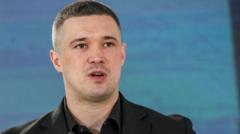
Volodymyr Zelenskyy just made one of the riskiest political gambles of his wartime presidency, and the fallout on the front lines is getting ugly.
When the news dropped that 35-year-old Defense Minister Mykhailo Fedorov was out after just six months in office, it didn't just rattle Kyiv's political bubble. It triggered spontaneous protests in the capital, prompted a senior air force commander to resign in disgust, and left frontline drone operators asking what on earth their command structure is thinking.
If you are trying to understand why a cabinet reshuffle matters when artillery is flying, here is the short version: this isn't standard political theater. It is a direct clash between a tech-focused modernizer and the Soviet-style military old guard, and the guys in the trenches are furious that the old guard just won.
Why the Front Lines Loved Fedorov
To understand the rage, you have to look at what Fedorov actually did during his brief stint. Before his arrival, the Ukrainian Ministry of Defense was notoriously opaque, weighed down by bureaucracy, and constantly dodging procurement scandals.
Fedorov treated the war like a tech problem. He scaled up long-range drone production, streamlined the messy procurement web, and saved the state billions of dollars. More importantly for the soldiers, he got weapons to the front lines faster without making them jump through bureaucratic hoops.
His tenure coincided with Ukraine successfully striking Russian oil refineries and introducing homegrown ballistic missiles. When frontline units saw real results from his policies, they felt like someone in Kyiv finally had their backs.
The Unspoken Power Struggle Inside Kyiv
Zelenskyy claimed the move was about creating "unity" between the military leadership and the defense ministry. But unity is a polite word for a massive ego clash.
Fedorov wasn't quiet about his frustrations with General Oleksandr Syrskyi, the commander-in-chief of Ukraine’s armed forces. The former defense minister openly admitted he wanted Syrskyi and other top generals replaced. He viewed the current military leadership as rigid, old-school, and resistant to the structural changes required for modern, technology-driven warfare.
Syrskyi represents the traditional military establishment. Fedorov was the disruptive outsider breaking up cozy defense contracts and pushing for rapid battlefield evolution. By choosing to side with his top general, Zelenskyy signal-boosted the establishment, leaving reformers out in the cold.
Defense industry insiders are already whispering that Fedorov’s aggressive anti-corruption stance made him too many enemies among people who want to profit from the country's massive wartime budget.
The Dangerous Signal This Sends to the West
This internal chaos couldn't have come at a worse time. Western allies, particularly the US and UK, have consistently demanded transparency regarding where their billions in aid are going. Fedorov was the poster child for that transparency. Sack him without a crystal-clear explanation, and you invite awkward questions from international donors.
Even worse, Russia’s pro-war online spaces are celebrating the news. Russian bloggers openly admitted Fedorov was a highly effective enemy who systematically disrupted their logistics. Seeing him forced out by internal politics is a gift to Moscow’s propaganda machine.
What Happens Next
Zelenskyy has named security service chief Yevhenii Khmara as the acting defense minister, pointing to his experience with technological combat operations. But the new guy faces an uphill battle. He inherits a ministry plagued by deep internal divisions and a military workforce that feels betrayed.
For international observers and tracking teams, the next steps are clear:
- Monitor procurement bottlenecks: Watch if the speed of drone and ammunition delivery to frontline brigades slows down as old bureaucratic habits return.
- Track anti-corruption metrics: Keep tabs on whether the transparent bidding systems Fedorov introduced are quietly rolled back or bypassed.
- Assess troop morale: Watch for further public pushback or resignations among middle and senior-tier officers who favored modernization.
Zelenskyy wanted a political reset, but by removing a minister who had the genuine respect of the troops, he may have created a deeper, more volatile crisis right at home.