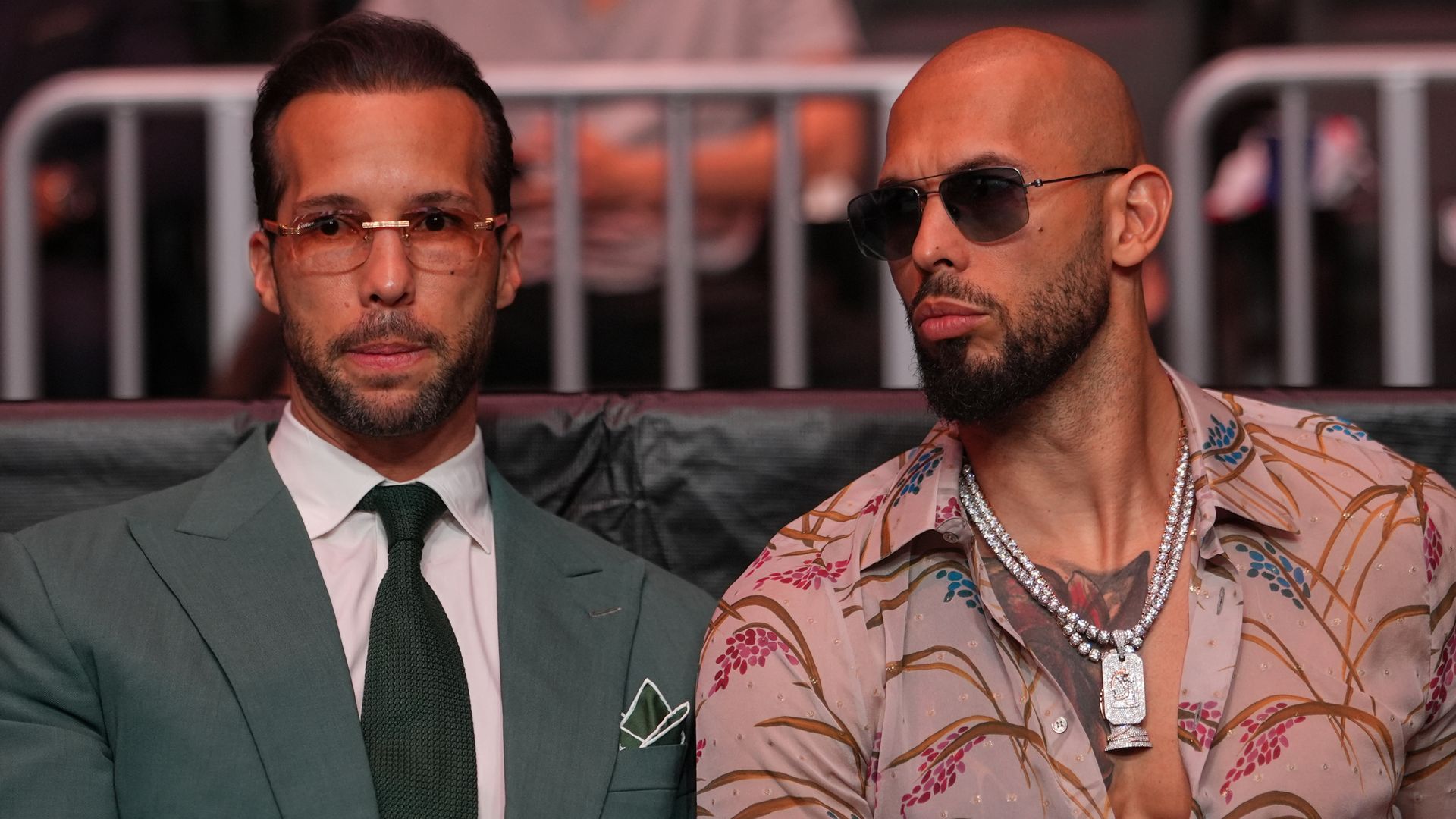
British authorities have laid out a detailed blueprint of how media influencers Andrew and Tristan Tate allegedly operated behind closed doors. Newly unsealed court documents in the United States reveal that prosecutors are pushing forward with 59 charges, focusing heavily on what law enforcement calls the "lover boy" method of human trafficking and sexual exploitation.
If you've followed the sprawling legal saga surrounding the brothers, you know the headlines have shifted constantly between Romania and the United States. But this specific legal push from the United Kingdom offers a chilling look at the mechanics of control. It highlights a classic pattern of manipulation that criminologists and trafficking experts have tracked for decades. For a closer look into this area, we suggest: this related article.
Decoding the Lover Boy Dynamic
The phrase sounds innocuous, almost like a cliché from a romance novel. In reality, it describes a calculated grooming strategy. According to case summaries written by a Bedfordshire Police detective and submitted by the British embassy in Washington, the strategy relies on engineered vulnerability.
The mechanism is straightforward yet devastating. The Tates allegedly targeted women by establishing romantic relationships or feigning deep personal interest. Once emotional attachment formed, the narrative shifted. Victims were persuaded to relocate—frequently to Romania—under the guise of participating in lucrative online webcam businesses or building a shared future. For additional context on this topic, detailed reporting is available at The Guardian.
Reality looked entirely different once the travel happened. Court filings allege that passports were confiscated. Financial independence vanished instantly, leaving the victims trapped in foreign environments. When psychological compliance fractured, the prosecution contends that physical and sexual violence filled the gap to maintain absolute control.
The Extradition Battle and Legal Stakes
Andrew and Tristan Tate have been held in Miami following an arrest triggered by a UK extradition request. Their legal teams have pushed back hard against the process. Defense attorney Joseph McBride argued that the accusations cannot be properly tested because the defense has not been handed the names of the secret accusers behind the British complaints.
Yet, the legal road ahead involves multiple hurdles before any court handles a trial on guilt or innocence. A U.S. magistrate judge must first determine whether the extradition request satisfies all legal standards. From there, final sign-offs rest with the U.S. secretary of state.
Meanwhile, the brothers continue to deny all wrongdoing. Their representatives maintain that their public personas—built around hyper-masculine posturing, luxury cars, and wealth—are merely internet characters rather than reflections of their actual behavior. They also face separate ongoing legal battles in Romania stemming from initial 2022 investigations.
Why This Case Matters Beyond the Headlines
The debate surrounding the Tates goes far beyond courtroom drama. Millions of young men online view them as anti-establishment role models who champion traditional masculinity. When criminal charges mount, supporters frequently dismiss the allegations as institutional persecution rather than factual crimes.
That dynamic creates a massive cultural friction point. Law enforcement agencies are dealing with digital-age predators who monetize online notoriety while allegedly executing offline crimes rooted in old-school coercion. The "lover boy" scheme isn't new. Criminal syndicates have used emotional manipulation for generations. What makes this distinct is how modern social media funnels can scale audience reach, providing a continuous pool of potential victims who already admire or trust the perpetrators.
The extradition hearings in Florida will dictate the immediate future. If the U.S. courts greenlight the transfer, the brothers will face a British criminal justice system that has spent years consolidating dozens of charges, spanning incidents alleged to have occurred between 2010 and 2017 alongside newer allegations.
Watch the legal rulings coming out of Miami closely. They will set a crucial precedent for how international jurisdictions handle high-profile digital influencers accused of transnational crimes.