The United Arab Emirates just slammed the door on its commercial relationship with Iran. If you’ve been tracking the headlines, you’ve seen the phrase "all trade and financial transactions halted" appearing everywhere. It sounds like a sudden, reactionary move. It’s actually the logical conclusion of a pressure cooker that’s been whistling for months.
When two ballistic missiles splashed down in the Persian Gulf this week, it wasn't just another day in a long, drawn-out conflict. It was a direct challenge to the UAE’s identity as a safe harbor for global business. For years, Dubai has acted as a financial lung for the Iranian economy, helping it breathe through layers of international sanctions. By cutting these ties, the UAE isn't just reacting to a missile—it’s shifting its entire economic strategy.
The end of the re-export lifeline
Most people don't realize how much Iran depends on the Emirates. Before this week, the UAE accounted for roughly 31 percent of Iran’s total imports. We’re talking about a $21 billion annual lifeline.
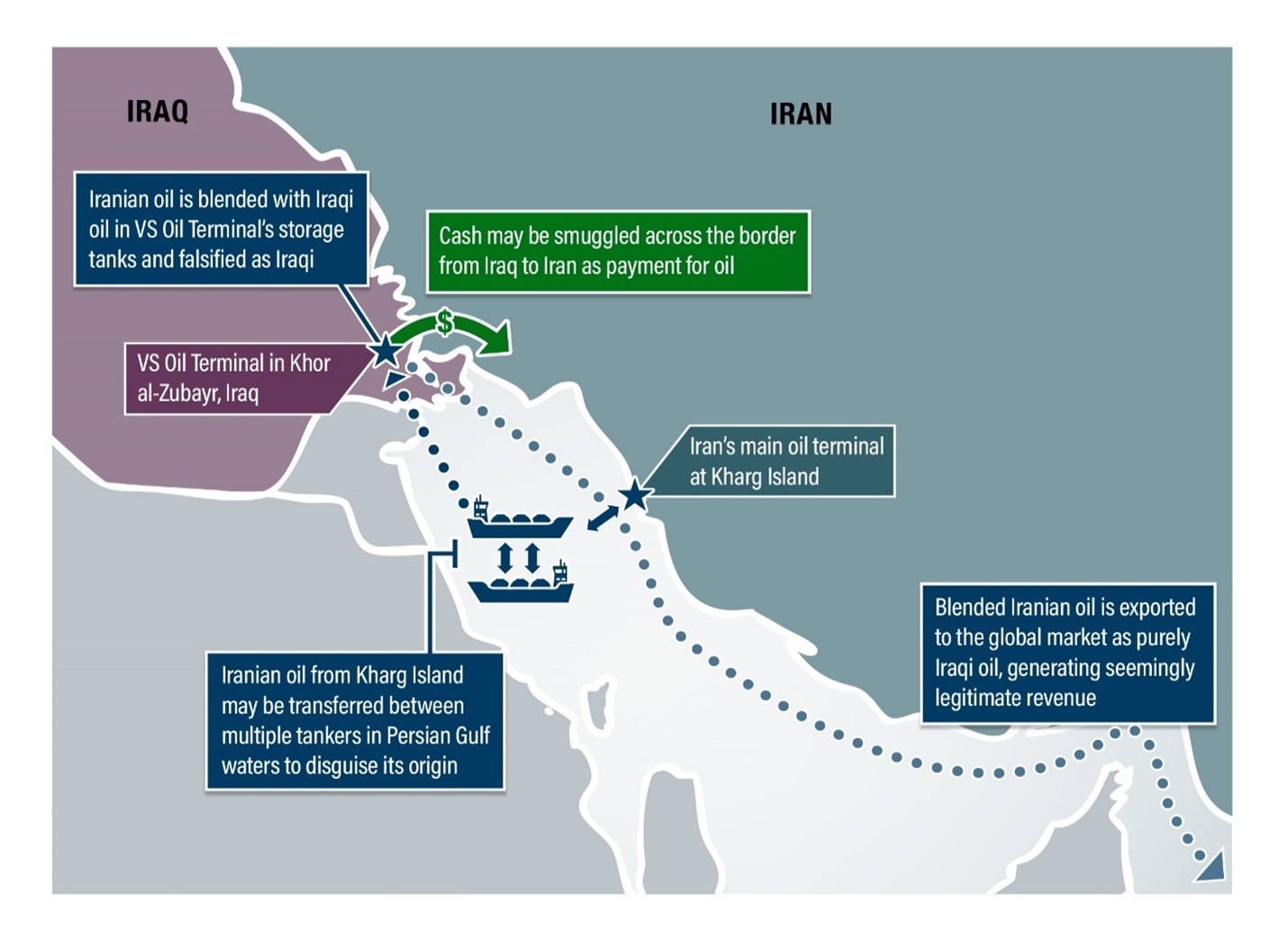
When you look at the numbers, the impact is staggering. Iran relies on Dubai’s massive logistics network to source everything from industrial machinery to consumer goods that it can’t buy directly due to sanctions. This wasn't just "trade" in the traditional sense; it was a complex, often opaque system of re-exports and front companies operating out of the UAE’s free zones.
By shutting this off, the UAE is essentially turning off the electricity. Yes, Iran will try to find workarounds. They always do. But finding another hub with the scale, infrastructure, and geographical proximity of Dubai is basically impossible on short notice. This will hurt. It will hurt Iran’s ability to keep its industrial sector afloat and, more importantly, it will choke off the flow of foreign currency that the regime needs to keep its networks running.
Why the missile threat was the final straw
The UAE government doesn't make these calls lightly. They are a nation built on the promise of stability. When potential missile threats show up on residents' phones, the "business first" reputation takes a massive hit.
The defense ministry’s assessment was clear: these weren't stray rockets. They were targeted at maritime navigation. When you attack shipping, you aren't just attacking a target; you’re attacking the flow of global commerce. For the UAE, which serves as a central artery for global oil and trade, this is an existential threat. They’ve seen 19 tankers affiliated with ADNOC hit since this current flare-up started back in February.
Basically, the risk of keeping the trade window open finally outweighed the profit. Investors and insurance companies were already getting nervous. The UAE had to send a signal—not just to Tehran, but to the global markets—that their ports are not a playground for military brinkmanship.
The fallout for the regional economy
You’ll hear analysts talk about "regional stability," but let’s be real about the economic consequences. The UAE is a small country that thrives on being a neutral bridge. By taking a hardline stance, they are accepting a short-term hit to their own logistics and trade numbers.
Does this mean the UAE economy will tank? No. They’ve been diversifying for years. But you’re going to see a cooling effect in the short term. Companies that operated in the "gray" area between the two countries are now scrambling to re-verify their supply chains.
If you have business interests in the Gulf, here is what you need to understand:
- Compliance is now the only priority. If you were dealing with entities that had ties to Iranian markets, you are now effectively operating in a high-risk zone.
- Expect tighter scrutiny. Saudi Arabia and other regional partners have already been leaning on financial institutions to audit flows more aggressively. This move by the UAE just makes that the new standard.
- The "neutral hub" model is changing. The era of using the UAE as a bypass for sanctions is effectively over. The risk/reward ratio has shifted permanently.
What comes next
Tehran, predictably, is calling this a "false flag" and denying everything. That’s the script. But their denial doesn't change the fact that the trade registers in Dubai are closed.
Watch the shipping insurance rates in the Strait of Hormuz. That’s your real-time gauge of how dangerous this gets. If the insurance premiums spike, trade will slow down even more, regardless of what the politicians say.
The UAE has clearly decided that its future as a secure, high-tech hub for global capital is worth more than the commission it was making off the Iranian transit trade. They’ve picked their side. The rest of the region is now watching to see how the vacuum left by this halt gets filled—or if it stays empty. Stay alert and keep your supply chains clean. The days of "business as usual" in the Gulf are long gone.