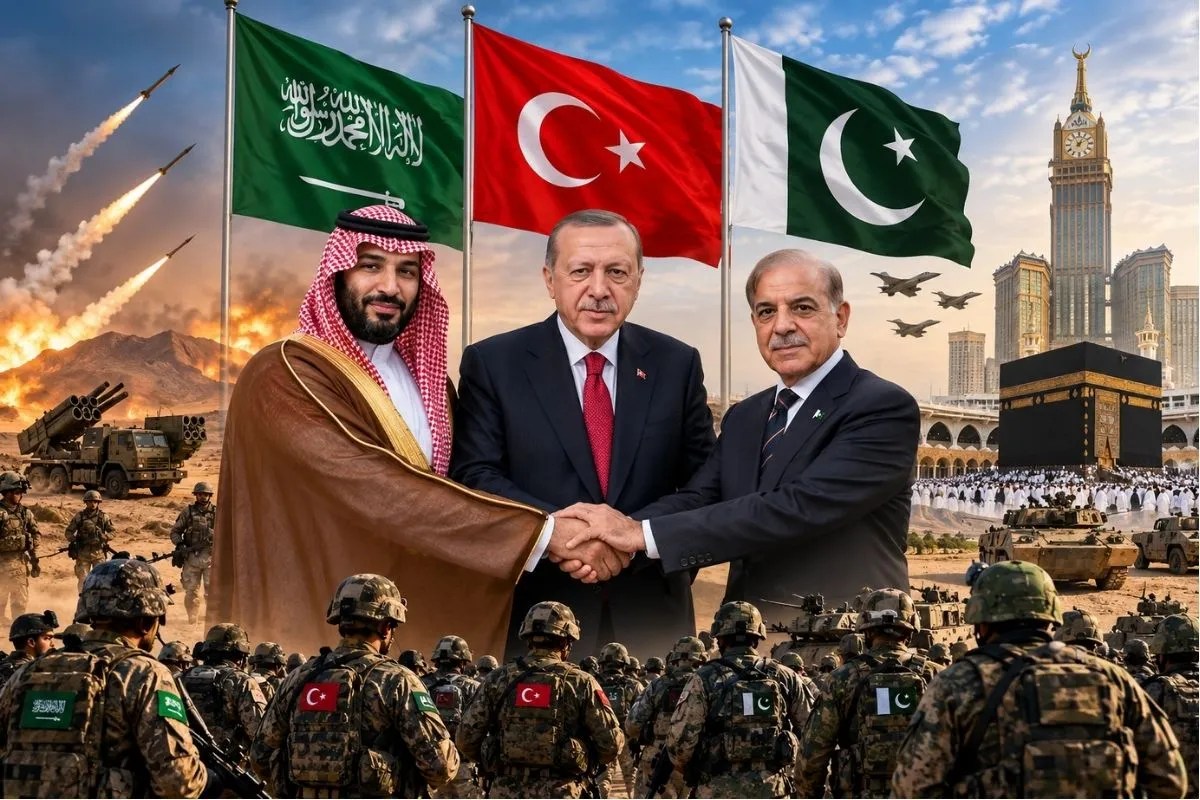
Geopolitics in the Middle East just took a sharp, concrete turn. Turkey and Pakistan aren't just issuing diplomatic statements anymore. They're putting boots on the ground.
Following an emergency session in Riyadh of the Strategic-Political and Defence Committee of the Makkah Alliance, both nations agreed to activate collective defense commitments immediately. If you're wondering why this matters, look at the recent strikes hitting Saudi energy infrastructure and the persistent threats from Houthi forces in Yemen. The kingdom's security perimeter is under severe stress, and traditional security umbrellas haven't stopped the bleeding. For a deeper dive into similar topics, we recommend: this related article.
Behind the Makkah Alliance Pact
This isn't a sudden knee-jerk reaction born out of nowhere. Back in August 2026, leaders from Saudi Arabia, Turkey, and Pakistan inked a mutual defense framework in the holy city of Makkah. Critics initially dismissed it as a symbolic piece of paper. They were wrong. To get more details on the matter, comprehensive reporting is available on NPR.
The core premise of the pact is stark: an armed attack against any of the three states triggers a coordinated response. With critical petroleum facilities like the Khurais pumping station taking direct hits and residents in Riyadh hearing heavy explosions near major transit hubs, the pact moved from theory to execution.
Saudi forces and their Yemeni government allies have struggled to secure vital supply lines and airspace. By bringing Turkish tactical expertise and Pakistani military capabilities directly into the fold, Riyadh is diversifying its security portfolio away from heavy Western dependence.
What Real Military Deployment Looks on the Ground
Deploying foreign forces into the kingdom involves immense logistical hurdles. Ankara brings advanced drone technology, electronic warfare systems, and seasoned command-and-control units that proved their worth across multiple regional conflicts. Islamabad contributes specialized personnel, rapid deployment infantry units, and decades of tactical deterrence experience.
When military planners talk about rapid deployment capabilities, they mean units ready to plug gaps in air defense, secure vital logistics corridors, and harden critical oil installations against drone and missile penetrations.
The Regional Balance of Power Shifts
This trilateral axis creates a brand-new security architecture in West Asia. You're looking at a combination of Turkish defense manufacturing muscle, Saudi capital, and Pakistan's strategic depth.
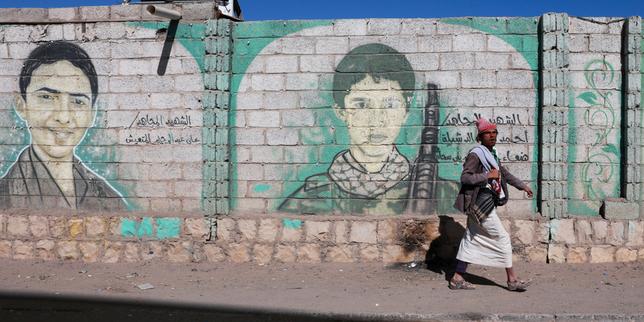
Neighboring actors are watching closely. The Houthi administration in Yemen has already issued warnings regarding Saudi airspace safety, signaling that the ground situation will likely escalate before it stabilizes. Yet, for Riyadh, securing direct military backing from two of the largest military powers in the Muslim world signals a clear message of deterrence.
If you want to understand where Middle Eastern security is heading over the next decade, stop looking solely at Western capitals. Watch how fast these three regional heavyweights integrate their command structures, share intelligence, and operationalize their joint defense commitments. The realignment is happening right now, and the old rules no longer apply.