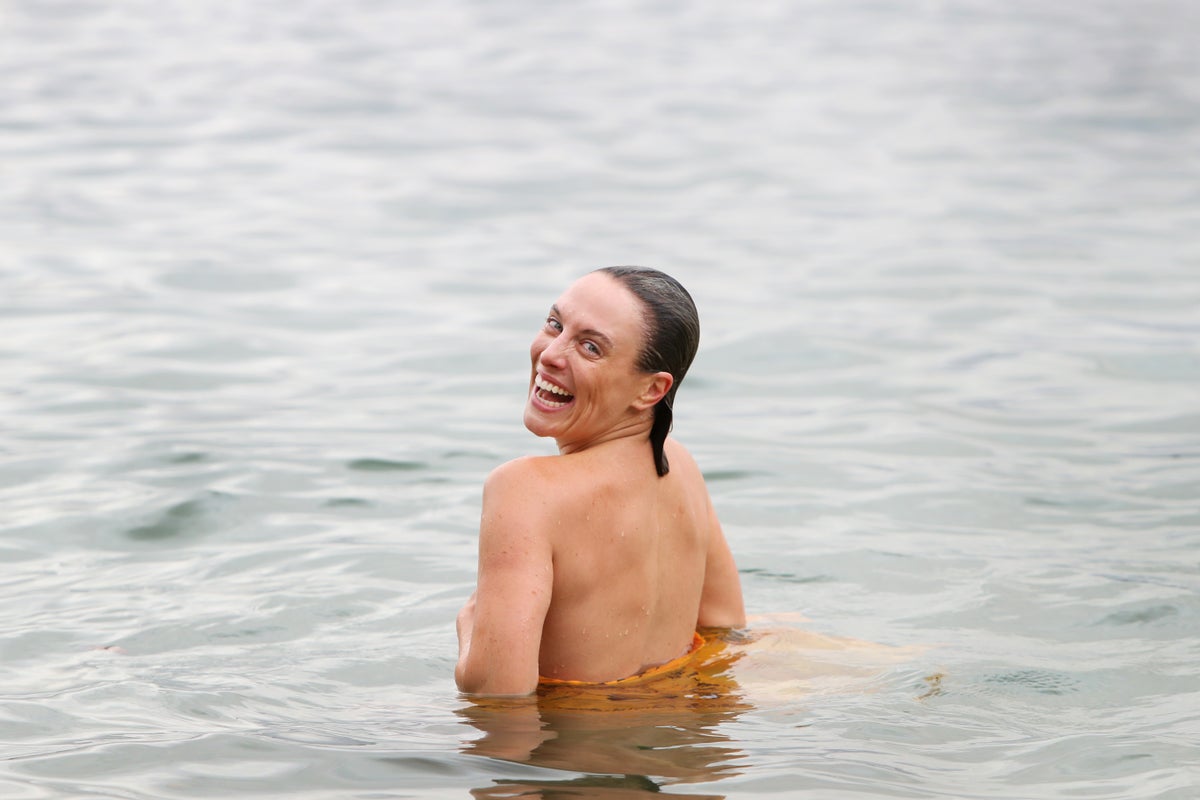
If you walk down to the shores of Lake Washington on a hot summer afternoon, you will find one of Seattle’s most fiercely contested patches of dirt. Denny Blaine Park is a tiny two-acre cove. For decades, it has operated as an unofficial, clothing-optional sanctuary. But recently, it became the battleground for a bitter, expensive, and deeply personal legal war.
On July 15, 2026, King County Superior Court Judge Samuel Chung handed down a permanent injunction. He ruled that the park is officially a "public nuisance".
This ruling did not please everyone.
The wealthy homeowners living next to the beach wanted the park temporarily closed or nudity banned altogether. They did not get their wish. The nudists and queer activists who treasure the beach wanted the court to leave their sanctuary completely alone. They did not get their wish either.
Instead, Seattle is now legally forced to police a highly subjective boundary line. The city must stop public sex and lewd acts while keeping public nudity perfectly legal. It is a logistical nightmare in the making.
What Actually Happened at Denny Blaine Park
To understand how we got to a courtroom, we have to look at how the park changed.
For decades, Denny Blaine Park was a quiet, self-policing nude beach. It was a safe space for marginalized bodies, the LGBTQ+ community, and people who just wanted to sunbathe without tan lines. Everyone mostly minded their own business.
Then came the pandemic.
In 2020, outdoor spaces became a premium. Crowds at Denny Blaine swelled. Along with the crowds came a massive surge in complaints. Neighbors began documenting instances of blatant public sex, masturbation, and cruising. These were not just isolated rumors. The court trial revealed multiple documented police calls and eyewitness accounts of people engaging in explicit sexual acts in broad daylight.
A neighborhood group called Denny Blaine Park for All filed a lawsuit against the City of Seattle. They claimed the city was refusing to enforce basic park rules. They argued their quality of life was ruined.
Even the King County Assessor agreed. The county officially designated 13 homes adjacent to the park as being negatively affected by the park's "nuisance," slashing their assessed land values by 10%.
The City Looked the Other Way for Years
One of the most revealing aspects of the court case was how Seattle city officials handled the complaints. Or rather, how they actively chose not to handle them.
Court documents showed that Seattle Parks and Recreation knew about the issues. In July 2022, internal emails revealed that park employees complained about witnessing constant lewd conduct. The department's response? They told employees to stay in their cars, avoid intervening, and refrain from taking videos or photos as evidence.
At the same time, the Seattle Police Department treated the park as a low priority. They were dealing with massive staffing shortages. They also feared that crackdowns would lead to allegations of bias and potential lawsuits.
The result was a total vacuum of enforcement.
Because the city did nothing, the situation deteriorated. Neighbors felt trapped in their homes. Beachgoers who just wanted to swim nude were lumped in with people using the park for public hookups. It was a recipe for a massive legal blowout.
The Judge's Balanced Ruling
Judge Samuel Chung refused to take the easy way out. He did not ban nudity, and he did not close the park.
Under Washington state law, public nudity is not illegal. Indecent exposure only becomes a crime if there is proof of lewd or obscene intent. Banning nakedness at the park would have run afoul of state laws and destroyed a space that has deep historical value for Seattle's queer community.
Instead, the judge focused on the behavior, not the lack of clothing. He ordered a strict, permanent plan to clean up the park.
Here is what the city must now do:
- Establish User Rules: Develop and enforce a specific park user plan and a strict code of conduct.
- Constant Staffing: Properly staff the park with rangers or personnel to actively monitor and report bad behavior.
- Physical Buffers: Install privacy barriers, dense vegetation, and fences to prevent park users from looking directly into neighboring yards, and to block neighbors' views of the nude beachgoers.
- Clear Signage: Put up highly visible signs detailing exactly what behaviors are illegal.
Why the Current Solution is Messy
A preliminary version of this plan is already visible at the park.
Last year, the city put up a wire fence to separate the upper park from the lower beach. The lower beach is designated as clothing-optional, while the upper park requires clothing.
It has not gone smoothly.
The fence has been repeatedly vandalized, sometimes with hateful graffiti. Nudists complain that the designated non-nude area covers more than half the beach and almost all the shade, leaving the clothing-optional section dangerously overcrowded.
Meanwhile, neighbors point out that a simple fence does not stop the noise or the occasional trespasser.
We are left with an awkward compromise. It is a space literally divided by anxiety and mutual distrust.
What This Means for Public Spaces in Seattle
This ruling is a fascinating study in the limits of public tolerance.
It proves that communities do not have to accept illegal behavior just because a space has historical significance. At the same time, it proves that wealthy homeowners cannot simply use the legal system to gentrify public land and push out marginalized groups.
But the real test is enforcement.
Will park rangers actually stand on a nude beach and write tickets for lewd behavior? Will the Seattle Police Department suddenly start prioritizing public sex calls?
Probably not.
The city is already stretched thin. Adding permanent staff to a tiny two-acre park to watch for public masturbation is a bizarre use of taxpayer money. But because of a judge’s signature, they have no choice.
How to Enjoy Denny Blaine Responsibly
If you plan on visiting Denny Blaine Park, the rules are now incredibly clear.
Respect the boundaries. Keep your clothes on if you are in the upper park. If you are on the lower beach, feel free to strip down, but keep it strictly non-sexual.
Remember that people live feet away from where you are sunbathing. Respect their privacy, don't trespass on their lawns, and keep the noise to a reasonable level.
The future of this historic beach depends entirely on parkgoers proving they can share public space without turning it into a courtroom exhibit. If the bad behavior continues, the next lawsuit might not be so forgiving.


