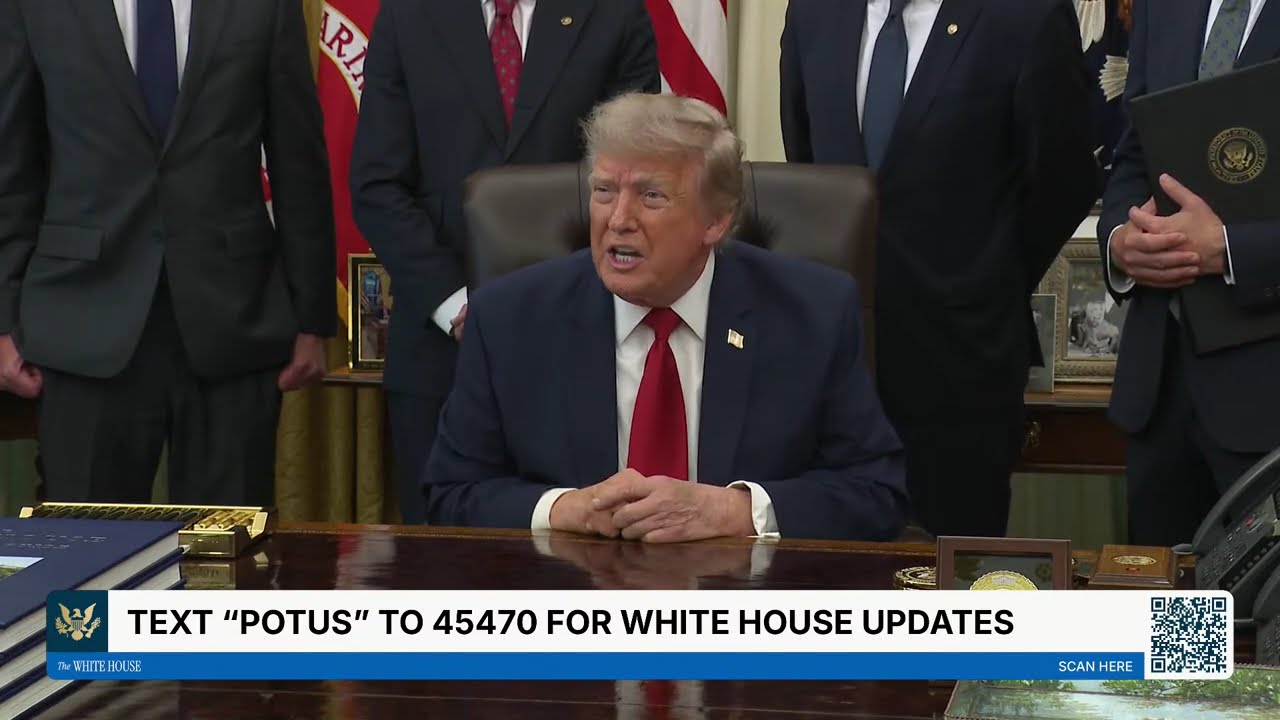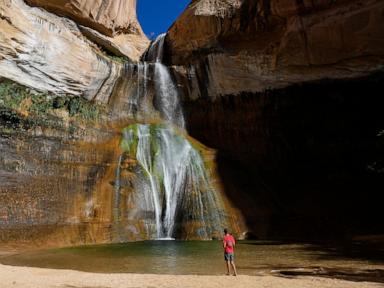
In a move that has reignited one of the most bitter public land wars in American history, President Donald Trump signed executive orders on July 13, 2026, to radically shrink two of Utah's most famous national monuments.
If you feel like you have seen this movie before, you are not wrong. It is a sequel, but with much higher stakes and far sharper cuts.
During his first term in 2017, Trump cut Grand Staircase-Escalante in half and slashed Bears Ears by 83%. President Joe Biden restored them both in 2021. Now, Trump has gone far beyond his original rollbacks. Under these new orders, the protections are essentially gone. Bears Ears is being gutted by over 90%, down to a mere 121,100 acres. Grand Staircase-Escalante is taking a 90% hit too, dropping to about 181,500 acres.
Combined, we are talking about removing protections from nearly 3 million acres of red-rock canyons, ancient cliff dwellings, and fossil-rich wilderness.
The administration frames this as a victory for locals, a correction of massive federal overreach that locked up land under the guise of conservation. Tribes and environmentalists see it as an illegal corporate giveaway that threatens sacred heritage and opens pristine lands to mining and drilling.
Here is what is really happening, why the legal battle is different this time, and what it means for the future of American public lands.
The Reality of the "Rightsizing" Argument
Utah’s Republican leadership, including Governor Spencer Cox, stood alongside Trump in the Oval Office to celebrate the decision. They call this "rightsizing". Their core argument relies on a literal reading of the 1906 Antiquities Act, which says monument reservations must be confined to the "smallest area compatible with the proper care and management of the objects to be protected".
State leaders argue that multimillion-acre monuments are an abuse of this law. They claim these massive designations lock out traditional uses like cattle grazing, motorized recreation, and local economic development.
Honestly, the "locked up" narrative is a bit of a stretch. National monuments are not national parks. Under their original designations, traditional activities like existing grazing permits and hunting were still allowed. But what monuments do block is new mining claims, oil and gas leasing, and massive commercial development. By shrinking the boundaries to a tenth of their size, the administration is opening the vast majority of this land to potential resource extraction.
Grand Staircase-Escalante sits on top of massive coal deposits. Bears Ears holds uranium, oil, and gas. With Trump declaring a national energy emergency, the drive to drill and mine is the real force behind these new boundaries.
A Direct Hit to Tribal Sovereignty
To understand why the Bears Ears cut is so painful, you have to understand how it was created. It was the first national monument established at the direct request of a coalition of Native American tribes—including the Navajo, Hopi, Zuni, Ute Mountain Ute, and Uintah-Ouray Ute.
For these tribes, Bears Ears is not a playground or a postcard view. It is a living place of worship, filled with ancestral graves, cliff dwellings, and sacred plants.
The Grand Staircase-Escalante Inter-Tribal Coalition pointed out that the administration did not even bother to consult them before making this decision. By ignoring the historic co-management agreement between federal agencies and tribes, the rollback feels like a betrayal of tribal sovereignty. When you shrink a sacred landscape by 91%, you cannot protect the cultural sites within it. Archaeological sites do not exist in isolation; they are part of a connected, sacred landscape.
The Looming Supreme Court Showdown
Environmental groups and tribal coalitions are already filing lawsuits to block the orders. They argue a simple legal point: the Antiquities Act gives the president the power to create national monuments, but it does not give them the power to shrink or abolish them. Only Congress has that power.
So, why did Trump do it again if the legal ground is so shaky?
The math has changed. In 2021, Supreme Court Chief Justice John Roberts practically invited a challenge to the Antiquities Act, writing that the law had been stretched beyond its original intent to lock up "vast and amorphous expanses of terrain".
With a heavily conservative Supreme Court, the administration is betting that this case will finally make its way to the high court. If the Supreme Court rules in Trump’s favor, it won't just affect Utah. It could permanently rewrite how public lands are protected across the entire country, giving any future president the power to undo decades of conservation history with the stroke of a pen.
What Happens Next
Do not expect bulldozers and oil rigs to roll into southern Utah tomorrow.
The immediate next step is a massive wave of litigation that will likely put a temporary hold on any new development inside the old boundaries. If you are planning to visit these areas or want to support conservation efforts, keep an eye on the Southern Utah Wilderness Alliance (SUWA) and the Bears Ears Inter-Tribal Coalition. They will be leading the legal charge, and the outcomes of these court battles will decide whether these red-rock canyons remain public treasures or become industrial zones.