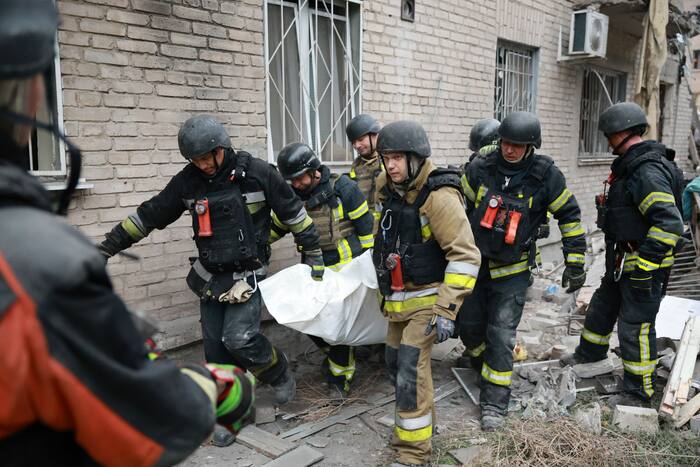
Geopolitics often creates strange bedsfellows, but few moments match the stark dissonance of this one. While Russian aerial bombs ripped through residential buildings in Zaporizhzhia and killed at least eight civilians—including three children—Washington struck a high-stakes energy agreement with Moscow.
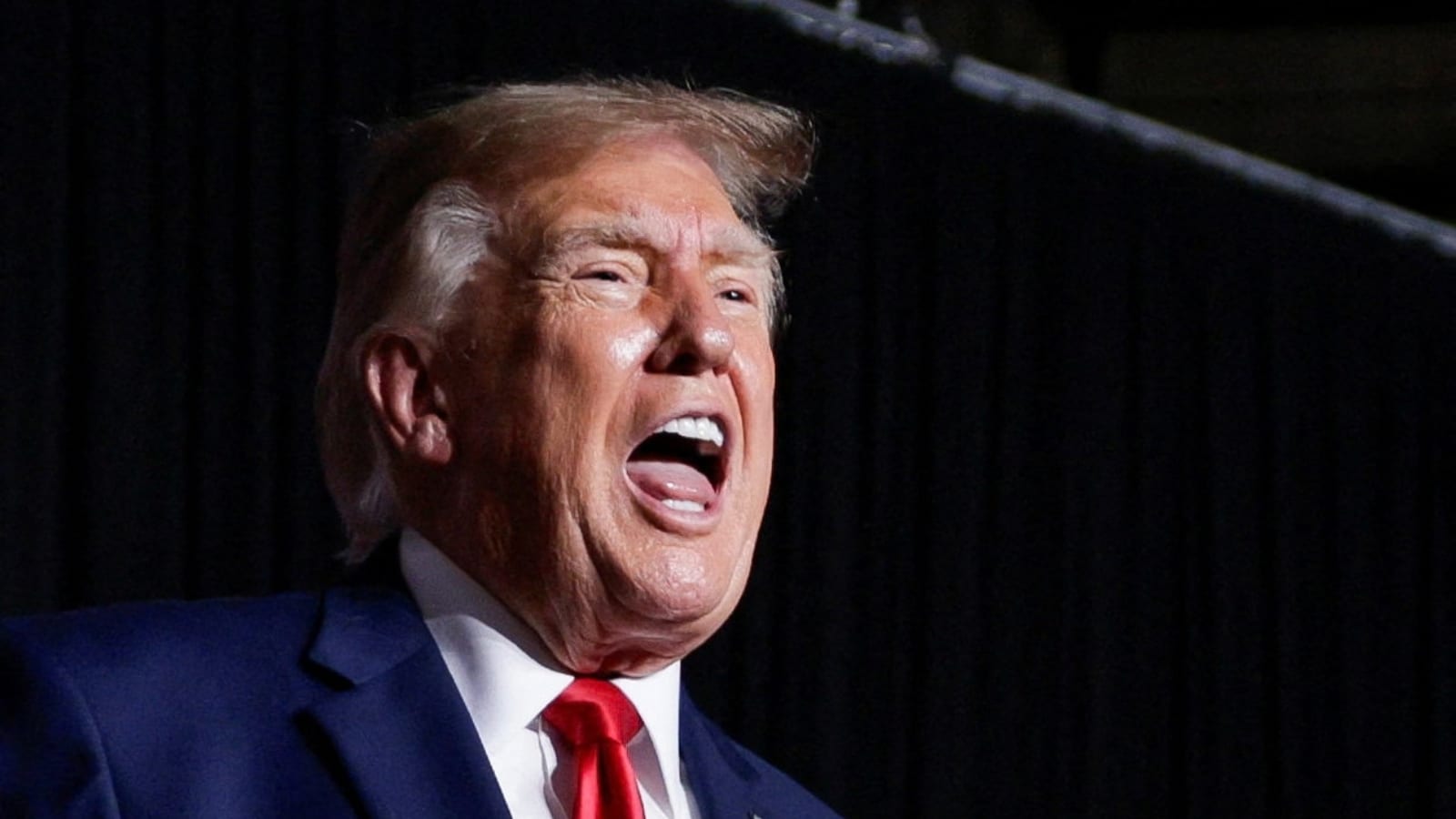
The timing couldn't have been sharper or more painful for Ukraine. Just a day after U.S. President Donald Trump announced a massive diesel pact with Vladimir Putin to stabilize fuel prices ahead of midterm elections, Russian strikes escalated across Ukrainian cities. Over fifty people have died from bombardments in a matter of days. Kyiv didn't mince words. Ukrainian leadership slammed the arrangement as a direct financial lifeline to Moscow's war machine, leaving diplomatic talks in Miami looking like little more than a smokescreen.
Let's look at what actually happened behind the headlines, why this sudden shift caught international observers flat-footed, and what it means for the trajectory of the war.
The Diesel Deal That Shocked Washington and Kyiv
The agreement materialized via a phone call between Trump and Putin. Originally scheduled to discuss a suspected case of plague inside Russia, the conversation pivoted rapidly toward energy supplies.
Trump announced that Moscow will immediately ship over 300,000 tons of diesel, followed by another 500,000 tons in November, 1 million tons shortly after, and a staggering 3 million tons in the near future. For domestic American voters worried about surging energy costs, it's pitched as immediate relief at the pump. For the White House, it represents a dramatic about-face from the sweeping Russia sanctions package signed just a month prior. That legislation was explicitly designed to choke off the exact oil and gas revenues that fund the Kremlin's military operations.
By opening the door to Russian fuel imports, the administration prioritized short-term domestic economic optics over unified allied pressure.
The Deadly Cost on the Ground in Zaporizhzhia
While trade arrangements were finalized over phone lines, the human toll mounted catastrophically in southeastern Ukraine.
In Zaporizhzhia, aerial bombs struck residential complexes with terrifying precision. Ivan Fedorov, co-chair of the region's defense council, confirmed that three children were among the dead, with at least sixteen others sustaining serious injuries. Rescue workers spent hours pulling victims from unstable piles of concrete and twisted metal.
This is the grim reality of the current aerial war. While front lines remain heavily deadlocked after more than four and a half years of full-scale conflict, Russian long-range bombardments continue targeting population centers. More than fifty-five people have perished in targeted strikes over a four-day window.
When you hear about energy agreements being hashed out thousands of miles away, remember the immediate aftermath on the ground: shattered families, emergency sirens, and rescue workers digging through smoking rubble.
Kyiv's Outspoken Fury and the Miami Talks
Ukrainian President Volodymyr Zelenskyy reacted swiftly and fiercely to the news. In a detailed public statement, he argued that purchasing Russian diesel directly rewards aggression and extends the conflict.
Zelenskyy pointed out the bitter irony of the timing. While the diesel agreement was being locked in, U.S. envoy Steve Witkoff and Jared Kushner were meeting with Ukrainian officials in Miami to discuss potential peace frameworks. Kyiv walked away feeling used.
"I believe our team is simply being used as a smoke screen," Zelenskyy noted in his response. "And that is certainly not fair. It is certainly not how partners should treat each other."
The Ukrainian Embassy in Washington echoed that sentiment, labeling the White House's choice "a weak decision by strong partners." The fear in Kyiv is simple: economic relief for Washington means sustained military funding for Moscow, allowing the Kremlin to drag out the war of attrition indefinitely.
What Happens Next
This friction exposes deep cracks in Western strategy. Domestic political pressures in democracies often clash violently with long-term foreign policy goals. When voters face high gas prices, politicians look for quick fixes, even if those fixes compromise broader geopolitical coalitions.
Keep an eye on how European allies respond to Washington's pivot. If the United States begins easing its hardline stance on Russian energy products to lower inflation, European nations caught between their own energy vulnerabilities and solidarity with Ukraine face an impossible dilemma.
The path forward requires watching two critical metrics: whether these fuel shipments actually materialize on the timeline promised, and how severely the diplomatic frost between Washington and Kyiv impacts ongoing peace negotiations. Watch the actions, ignore the rhetoric, and expect further volatility in international energy markets.