Diplomacy rarely works when one side wants total victory and the other is fighting for biological survival. Yet Washington keeps trying anyway.
Donald Trump's administration has dispatched two high-profile envoys—son-in-law Jared Kushner and special negotiator Steve Witkoff—to Moscow and Kyiv. They are carrying what the White House calls a concrete proposal to freeze the bloodletting. It is an ambitious script. It is also completely detached from the brutal realities on the ground.
Let's look at what is actually happening. The renewed push comes after earlier talks cratered under the weight of irreconcilable ambitions. Moscow controls roughly a fifth of Ukrainian territory. Vladimir Putin wants more. He demands that Kyiv surrender land it still holds, abandon any thought of joining NATO, and hollow out its military forces. Volodymyr Zelenskyy faces an impossible choice. Accept those terms and invite national suicide, or keep fighting a war of attrition against an adversary with a massive demographic advantage.
The Illusion of Personal Chemistry
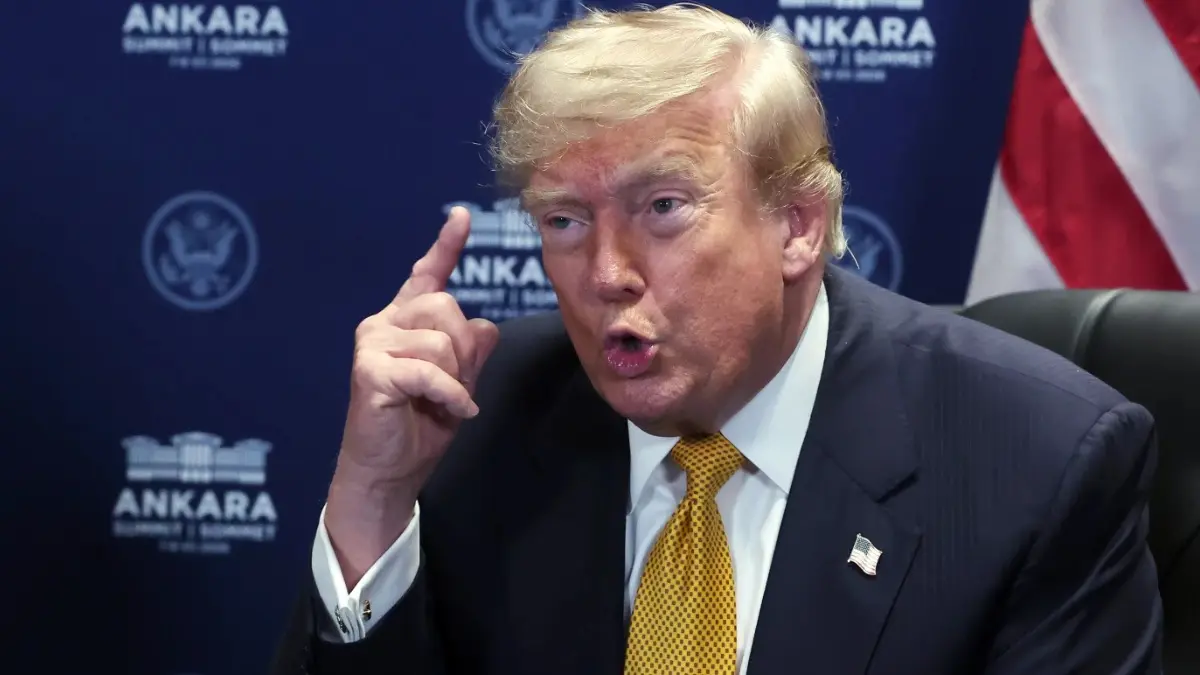
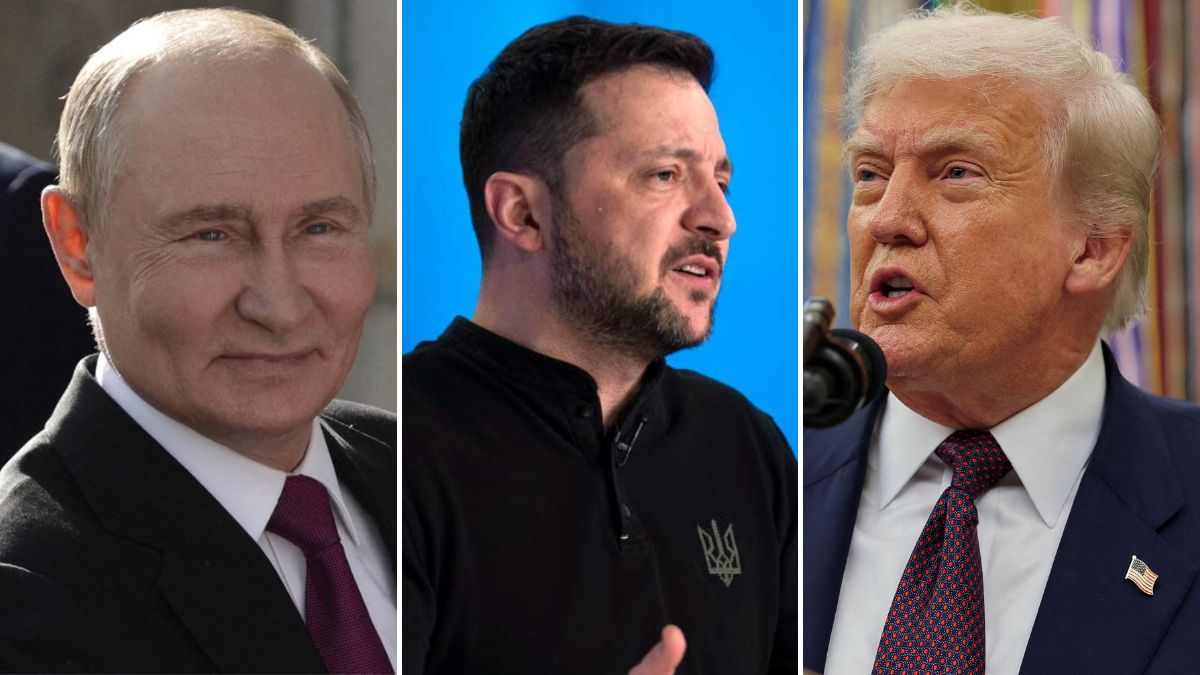
Trump loves to frame geopolitical crises as personality clashes. He recently told reporters that Putin and Zelenskyy "truly hate each other" and suggested that a breakthrough depends entirely on fixing that personal animosity.
That diagnosis misses the point entirely. This isn't a high school feud. It is a fundamental contest over state sovereignty and European security architecture. Putin doesn't continue the war because he dislikes Zelenskyy's tone. He continues it because he believes time is on his side. He calculates that Western patience will crack first, especially as economic fatigue and political friction mount in allied capitals.
Meanwhile, Kyiv is playing a cautious, defensive game. Zelenskyy welcomed the diplomatic gesture by announcing a temporary pause in Ukrainian drone strikes on Russian energy infrastructure while the American envoys are in transit. He promptly asked Moscow to match it. Don't hold your breath.
Why the Ground Reality Defies Washington's Timeline
If you look at the military ledger, neither side is ready to compromise.
Ukraine is absorbing punishing blows. Long-range Russian missile and drone barrages continue to smash critical infrastructure. Recent strikes on the SBU intelligence headquarters in central Kyiv and energy depots across the region killed dozens of people in late August alone. Air defense interceptors are running critically low. The country is bracing for a miserable winter. Russian military planners are undoubtedly counting on freezing temperatures and dark homes to break the civilian population's will to resist.
On the flip side, Ukrainian long-range drone hits on Russian oil refineries and Sochi fuel depots have caused localized supply crunches inside Russia. But those economic pinpricks haven't altered the Kremlin's strategic calculus. Putin reiterated at a recent economic forum that while peace is theoretically possible, Russia and Ukraine should settle matters without external mediation dictating the terms. That is diplomatic code for telling Washington to stay out of the kitchen.
What Happens Next
European capitals are watching this new diplomatic blitz with deep anxiety. Many fear that Washington, eager for a quick foreign policy win, will squeeze Kyiv into accepting a humiliating land swap disguised as a peace accord.
A lasting settlement requires a baseline of trust that simply does not exist right now. Moscow wants capitulation. Kyiv wants its sovereign borders restored. Those positions occupy different dimensions of reality.
Send in all the envoys you want. Until the fundamental balance of power on the battlefield shifts, or until the domestic costs for the Kremlin outweigh any conceivable gains, peace proposals remain nothing more than expensive paperweights. Expect a brutal winter ahead, not a diplomatic miracle.