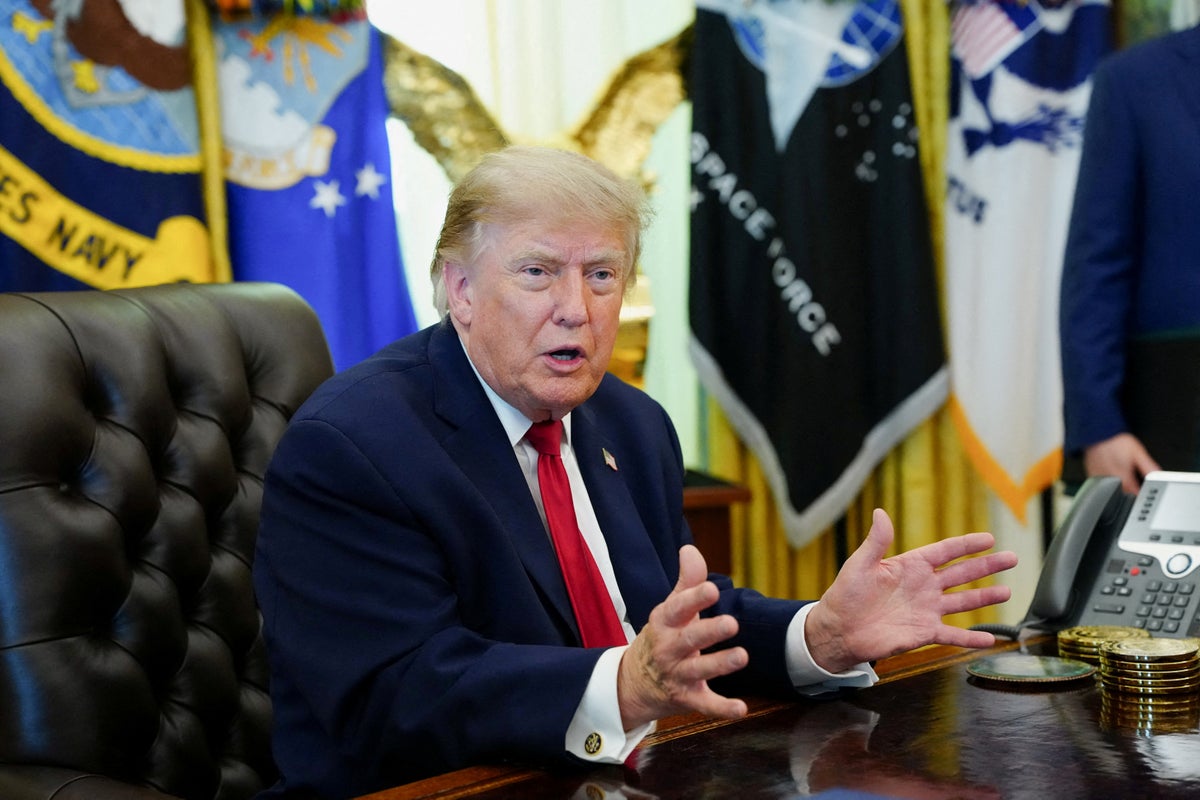
Donald Trump thought he solved the Iran crisis with a quick signature in Paris. He even took to social media to tell the world's shipping lines to start their engines because the oil was finally going to flow again.
It didn't last. Two weeks after signing a provisional memorandum of understanding to halt a devastating conflict, the entire framework is on life support. Pentagon officials are already briefing the president on military options to return to full-scale war.
If you're trying to make sense of how a signed peace agreement soured this fast, you aren't alone. The reality on the ground shows that both Washington and Tehran signed a deal that ignored the fundamental sticking points of the conflict. Now, those omissions are blowing up in everyone's face.
The Secret Briefings and the Stumbling Peace Process
Top defense officials, including Defense Secretary Pete Hegseth and Chairman of the Joint Chiefs of Staff Gen. Dan Caine, recently laid out a menu of fresh military options for Trump. The goal of these plans is what some insiders call finishing the job. This means targeting what remains of Iran's nuclear infrastructure and military capabilities after the heavy exchanges of early 2026.
Trump is hesitating for now. He prefers to keep the current diplomatic track alive because he thinks a return to total war will destroy any chance of long-term nuclear disarmament. He told Senate Republicans that the Iranians are agreeing to everything he wants, but the actions of both sides tell a completely different story.
The White House insists the current deconfliction channel between US Central Command and the Islamic Revolutionary Guard Corps remains open. They've used it too. But using a phone line to avoid hitting each other's ships doesn't mean you're building peace. It just means you're tracking the chaos in real time.
The Battle for the Strait of Hormuz
The biggest immediate threat to this fragile truce is a dispute over who actually runs the world's most critical oil transit point. The June 17 agreement was supposed to reopen the Strait of Hormuz to commercial shipping after months of a punishing naval blockade and dangerous undersea mining.
Iran's top negotiator, Mohammed Baqer Qalibaf, went on state television to declare that sovereignty over the waterway belongs strictly to Iran and Oman. Tehran plans to impose heavy tolls on ships passing through once the initial 60-day window expires in mid-August.
The US response was immediate and hostile. Vice President JD Vance shot back during an interview, making it clear that the US will never allow Iran to collect tolls on international shipping.
Think about the math here. One-fifth of the world’s oil and liquefied natural gas goes through that narrow stretch of water. If Iran starts stopping tankers to demand cash, the US military will step in. That instantly triggers a return to the exact shooting war Trump claims he just ended.
The Nuclear Deadline Illusion
The Paris framework set a strict 60-day countdown to hammer out a permanent treaty. That clock runs out on August 18. Trump claims he's fine with letting indirect talks in Qatar slip past that deadline, but the gap between the two sides is massive.
- The Timeline Conflict: The US wants a 20-year freeze on Iranian nuclear enrichment. Iran says it won't accept anything longer than a decade.
- The Proxy War Problem: Trump demanded via social media that Iran immediately cut off funding to Hezbollah in Lebanon. Iran views its regional proxy network as a non-negotiable security guarantee.
- The Toll Dispute: Iran expects to enforce its maritime authority by late summer, which Washington views as an act of piracy.
American envoys like Jared Kushner and Special Envoy Steve Witkoff arrived in Doha to salvage the situation through Qatari mediators. But the Iranian delegation refused to sit in the same room with them. They claim the US must fulfill its financial incentive promises before real talks can even start.
Washington's Internal Civil War Over the Deal
Trump isn't just fighting Tehran. He's facing an absolute buzzsaw of bipartisan criticism at home. National security hawks on the right think he walked away from a winning position just as the Iranian regime was buckling. Meanwhile, Democrats are calling the deal an absolute disaster.
Former national security adviser Susan Rice pointed out that the 2015 nuclear deal didn't offer Iran any sanctions relief until inspectors verified that Tehran had actually dismantled its gear. Under Trump's new deal, Iran gets immediate economic relief and sanction waivers just for showing up to the table. Senator Cory Booker called the current arrangement an abject surrender that leaves the US with fewer cards to play.
The administration’s defense is simple. They believe the military strikes of late 2025 and early 2026 altered the balance of power so heavily that Iran has no choice but to capitulate eventually. Energy Secretary Chris Wright admitted that Iran hasn't been cooperative at all yet. That's a massive understatement.
What Happens Next
The current ceasefire is a pause, not a resolution. If you are watching this situation develop, expect a few specific flashpoints over the next few weeks.
First, watch the small-scale skirmishes. Trump authorized limited, single strikes if Iran violates the terms of the temporary memorandum. Tehran promised to hit back every single time. These tit-for-tat actions can easily spiral out of control.
Second, look at the mid-August deadline. If the Doha talks remain stalled and Iran attempts to collect tolls in the Strait of Hormuz, the US Navy will intervene to protect commercial transit.
Get ready for oil prices to swing wildly as these deadlines approach. The peace process isn't stumbling because of a technicality. It's failing because both sides are using the ceasefire to reload.
If you want to track the real danger, ignore the optimistic press releases from the White House. Watch the movement of US carrier strike groups toward the Gulf. That's where the real decision will be made.