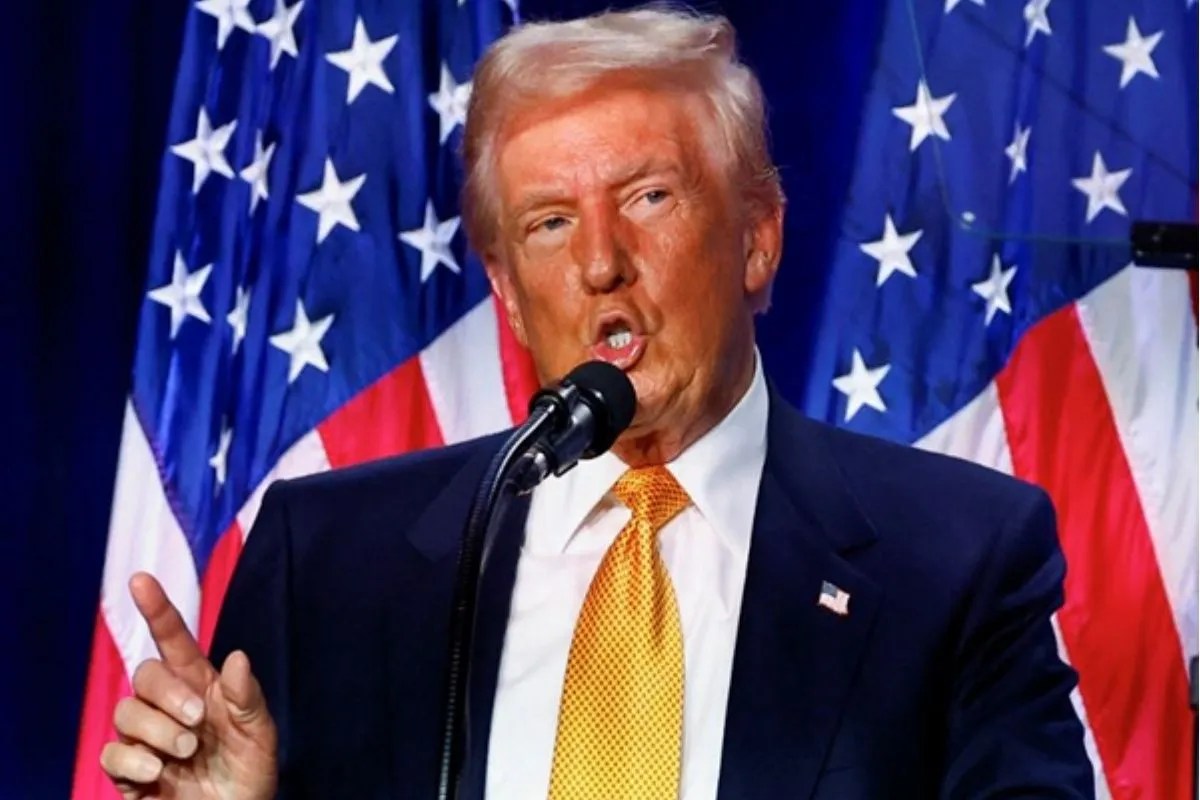
Geopolitical shocks rarely unfold in neat, predictable steps. Instead, they hit global energy markets like a sudden squall, leaving analysts scrambling to separate political theater from economic reality. When Donald Trump stepped outside the White House recently to deliver a blistering assessment of Tehran's financial standing, he didn't just target political leadership—he pointed straight at the strategic bottleneck that defines global crude flows: the Strait of Hormuz.
According to recent statements, millions of barrels of oil have surged through this narrow maritime chokepass over the past few days, returning to pre-conflict levels or even surpassing them. Yet, while tankers keep moving, political tremors inside Iran are telling a vastly different story.
The Resignation Behind Closed Doors
Let's look past the loud rhetoric for a moment. Right as these shipping metrics spiked, Iranian state media confirmed that Oil Minister Mohsen Paknejad had stepped down from his post. President Masoud Pezeshkian swiftly accepted the resignation, handing interim control over to Hamid Bovard, the CEO of the National Iranian Oil Company (NIOC), until parliament sorts out a permanent replacement.
Why did Paknejad exit? Officially, explanations remain sparse, but local reports point to deep internal fractures. Rumors suggest growing friction between Pezeshkian's administration and the oil ministry regarding how key financial networks—particularly a group of independent traders handling billions in oil revenue—were managed. When billions in export proceeds fail to make their way back into state coffers, political casualties follow quickly.
The Reality of the Strait of Hormuz
Trump's core argument rests on a striking paradox: massive volumes of crude are successfully clearing the Strait of Hormuz despite ongoing regional friction, yet the Iranian economy itself is buckling under immense strain. He pointed to staggering domestic inflation rates soaring near 300 percent, arguing that state revenue pipelines are failing to insulate the broader population from collapse.
For global energy watchers, the resumption of near-normal or elevated shipping volumes through Hormuz is a massive relief. Energy traders know that any sustained blockade in this corridor spells immediate price spikes at petrol pumps worldwide. But physical transit doesn't automatically translate to national financial health. If the revenue generated from those very barrels gets trapped in foreign trade networks, unpaid loops, or bureaucratic mismanagement, ordinary citizens bear the brunt of skyrocketing living costs.
What Happens Next
Navigating these shifting alliances requires looking beyond daily headlines. The appointment of an interim chief at NIOC signals that Tehran wants stability in its core production machinery, even as political infighting plagues the upper echelons of government.
Expect continued volatility as international sanctions tighten and internal economic pressures mount inside Iran. Energy markets will keep a nervous eye on tanker traffic through the Persian Gulf, knowing full well that a diplomatic spark could shift shipping lanes overnight. Keep your focus on execution rather than rhetoric, because the real test is whether these oil flows can sustain long-term economic stability or if they're merely masking deeper cracks in the foundation.