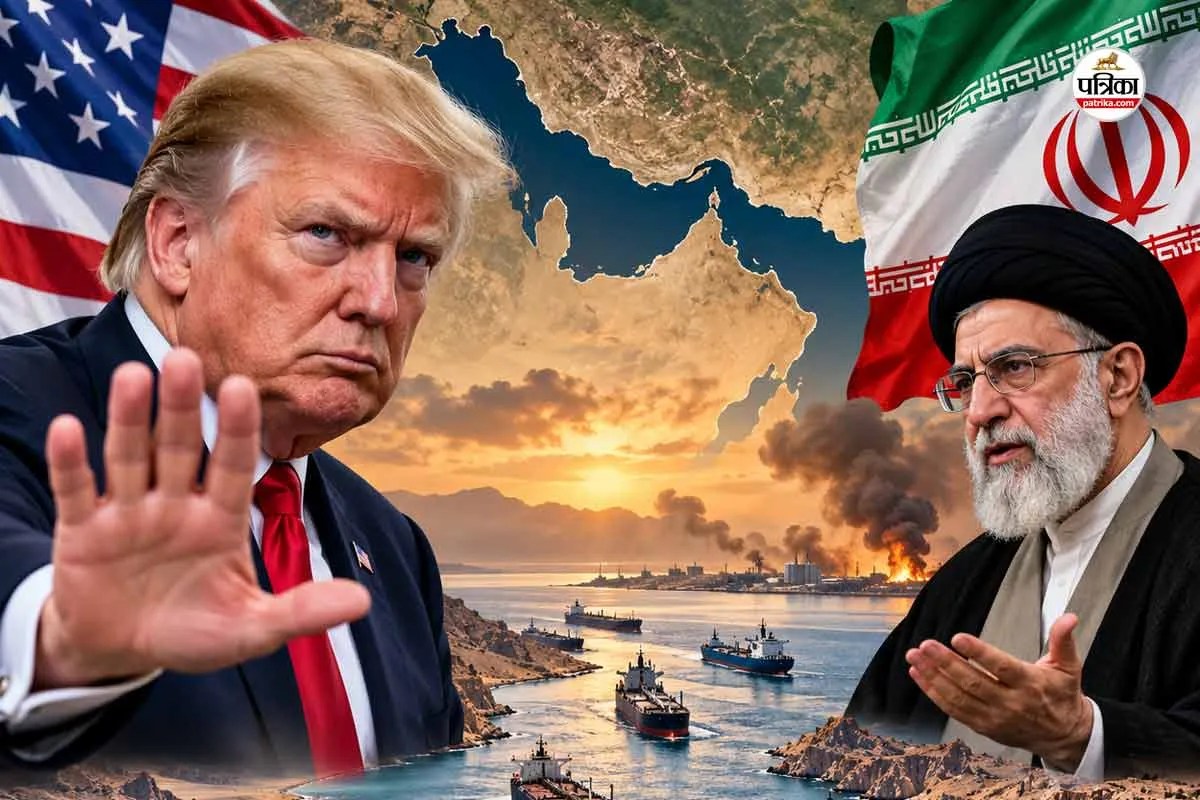
Foreign policy rarely stays quiet for long. Washington and Tehran are staring at each other across a geopolitical knife-edge, and the rhetoric is getting sharper by the day. Donald Trump just delivered a blunt message to Iran: make a deal or face severe consequences. This isn't just standard diplomatic posturing. It's happening right as backchannel talks attempt to reopen the Strait of Hormuz, a choke point that feeds a massive portion of global energy supplies. If you've been watching the Middle East lately, you know the stakes couldn't be higher. Let's break down what's actually happening behind the headlines.
The Dual Track of Diplomacy and Coercion
Donald Trump's recent comments from the White House leave very little room for misinterpretation. Tehran has two distinct roads ahead. One involves a negotiated settlement addressing long-standing nuclear ambitions and maritime security. The other involves an aggressive escalation from American forces.
Diplomacy is moving through intermediaries, with Iranian officials weighing proposals regarding vital shipping lanes. Yet, pressure remains intense. The U.S. Central Command has historically demonstrated its capability to enforce strict naval boundaries, rerouting commercial cargo vessels and restricting unauthorized transit. When naval blockades and choke points like the Strait of Hormuz enter the conversation, global markets panic immediately. Energy costs fluctuate wildly on the mere rumor of a blockade, affecting everything from manufacturing to your local fuel pump.
The Choke Point Dilemma
Why does everyone care so much about a narrow strip of water? The Strait of Hormuz handles a staggering amount of the world's petroleum trade. When regional tensions spike, shipping companies scramble for alternative routes, driving up logistical expenses and straining regional exporters like Iraq.
Iran's foreign ministry has been in communication with regional mediators, waiting for formal U.S. responses to maritime navigation proposals. Meanwhile, Washington insists that any broad agreement must lock down nuclear constraints alongside maritime safety. It's a high-stakes chess match. One miscalculation by a patrolling warship or a commercial vessel could trigger a kinetic conflict nobody truly wants, but many are actively preparing for.
Broader Regional Shockwaves
You cannot isolate the standoff in the Persian Gulf from the rest of the region. Violence in Gaza continues to claim lives, keeping civilian casualties high and Arab capitals on edge. British authorities have also dealt with security investigations near key military installations like RAF Fairford, adding European anxieties to an already volatile mix.
Saudi leadership has maintained a measured stance, emphasizing diplomatic solutions while warning that any direct threat to national security will meet a swift, decisive response. This creates a multi-layered crisis where local skirmishes, international trade routes, and nuclear diplomacy collide.
The window for a peaceful resolution is narrowing fast. Whether this standoff ends in a historic treaty or a major military confrontation depends entirely on the next moves made in Washington and Tehran. Keep your eyes on the shipping data and diplomatic cables. The situation is moving fast.