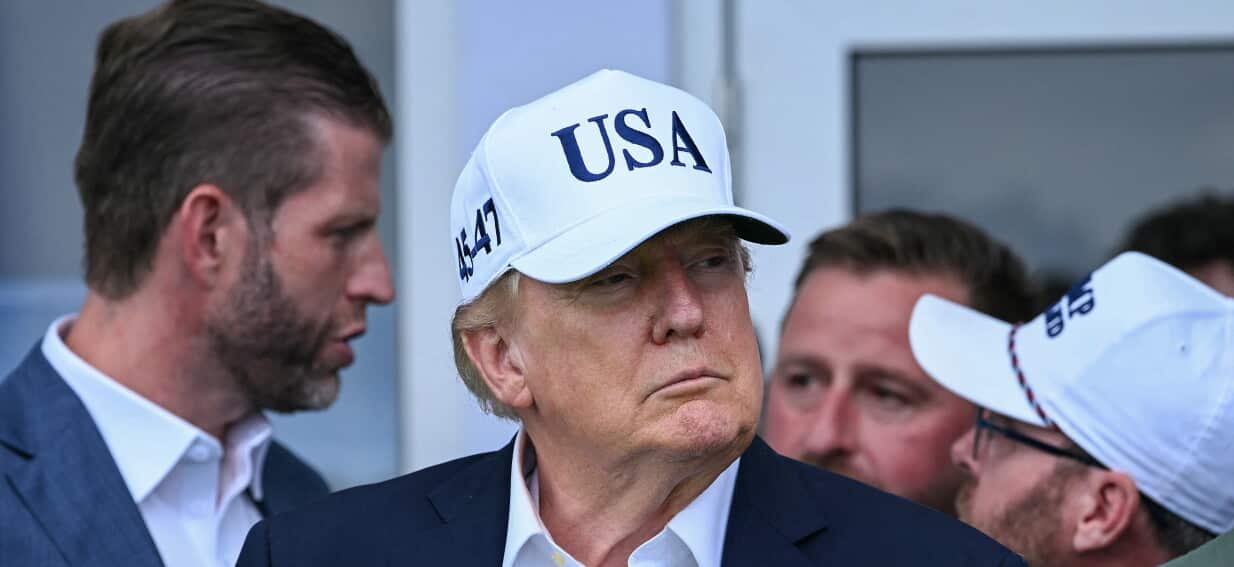
You can always count on Donald Trump to mix high-stakes foreign policy with real estate promotion and unorthodox diplomacy. During his whirlwind trip to Ireland, the US president made a demand that caught military planners off guard. He wants Kyiv to spare Russian diesel.
Why? Because those long-range Ukrainian drone strikes hitting Russia's energy infrastructure are directly fueling a domestic shortage at home. Gas prices are climbing. Voters are angry. Midterms are looming.
Let's look at what is actually happening behind the headlines. Ukraine has spent months systematically destroying Russian oil and gas facilities. It is a logical military strategy. Starve the Russian war machine of fuel and revenue. It hurts Moscow where it counts.
However, global energy markets don't care about military logic. They care about supply and demand. When you take massive amounts of refining capacity offline, global product availability shrinks. Diesel prices in the US recently crossed the dreaded six-dollars-a-gallon threshold according to trackers like GasBuddy. Trucks, trains, ships, and farms run on diesel. When diesel spikes, everything else gets more expensive instantly.
Trump laid it out bluntly during his Irish stopover, wrapping up a visit to his Doonberg resort. He urged Volodymyr Zelenskyy to change course. "Let him go after targets, but not diesel fuel, because he's causing a shortage of diesel," Trump stated.
It is a striking conflict of priorities. Washington wants to weaken Vladimir Putin's ability to wage war. At the same time, American voters want relief at the pump. When those two goals collide, political survival usually wins. Trump isn't looking at this through the lens of pure geopolitical strategy. He is looking at it through the economic pain points of everyday Americans right before an election cycle.
Meanwhile, Russia's internal numbers back up the severity of the situation. Moscow recently downgraded its oil output forecast to a 17-year low. Draft government forecasts show fuel export outlooks sinking for both 2026 and 2027. Ukraine's strategy is working. The refineries are burning. But the collateral damage is bleeding into Western economies.
Of course, the Ireland trip was heavy on non-oil drama too. Trump announced the lifting of a ten percent tariff on Irish whiskey after chatting with golf fans and local leaders. He also casually dropped remarks supporting a united Ireland, throwing British politics into a temporary tailspin. Protesters gathered outside his golf course, voicing opposition to his administration's foreign policy stances, while security teams spent tens of millions keeping the perimeter locked down.
Critics immediately jumped on the dual nature of the trip. Hosting events at his own family property while executing presidential business draws immediate ethics complaints. Legal analysts point out how this blurs official duty with private branding. The White House waves off these criticisms, but the debate refuses to die down.
Back to the energy crisis. Ukraine finds itself in a tough spot. Kyiv relies heavily on Western military and financial backing. When the White House starts complaining that your drone strikes are messing up fuel prices, you have to listen.
Expect diplomatic pressure behind closed doors to ramp up. The White House wants fewer explosions at Russian diesel plants and more stability at American gas stations. Whether Kyiv can afford to alter its military playbook to appease American motorists is another story entirely.