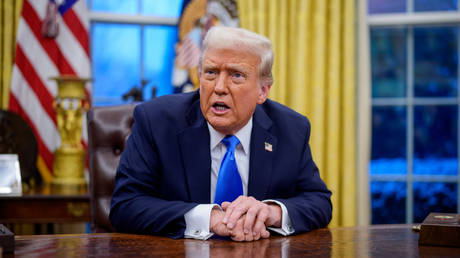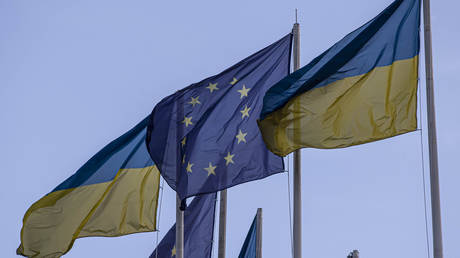
The diplomatic chess board surrounding the conflict in Eastern Europe shifted once again when Donald Trump publicly declared it was time for a change in Ukraine's leadership. According to recent reports, Trump criticized Ukrainian President Volodymyr Zelenskyy for failing to secure a peace deal with Russia, arguing that Kyiv needs a fresh face at the helm. At the same time, Moscow announced it would be willing to pause military operations for a single day to facilitate upcoming presidential elections, while completely rejecting any broader or long-term ceasefire agreements.
This dual-pronged pressure exposes the immense strain weighing on Kyiv. Back in February 2022, Vladimir Putin's initial military blitz aiming for a lightning-fast seizure of Kyiv and Hostomel Airport completely collapsed under heavy Ukrainian resistance. Years of brutal attrition followed. Now, instead of armored columns rolling down the highways, the battle is being fought across diplomatic tables, economic corridors, and shifting Western political alliances.
The Break in Western Unity and the Push for Elections
Trump's recent comments to reporters didn't mince words. He pointed out that Zelenskyy has struggled to bridge the gap with Moscow and suggested that a transition in leadership might break the diplomatic deadlock. These remarks came right on the heels of renewed tensions over infrastructure strikes. Ukraine has continued targeting Russian oil refineries, a move that drew sharp criticism from Washington, especially following a recent U.S. policy shift easing restrictions on Russian diesel exports.
Moscow's response to the electoral pressure has been calculated. By offering a symbolic one-day halt in hostilities specifically tied to holding elections, the Kremlin is attempting to frame itself as reasonable to outside observers while knowing full well that organizing a secure national vote under active wartime conditions is an administrative nightmare. It's a classic diplomatic trap designed to shift the blame for continued fighting back onto Kyiv's doorstep.
Remembering the Fall of 2022 and the Shift to War of Attrition
To understand why these political maneuvers matter right now, you have to look back at how this war started. When Russian forces launched airborne assaults on Hostomel Airport in the opening days of the invasion, the objective was simple: decapitate the government and force a rapid capitulation. Ka-52 Alligator attack helicopters pounded airport defenses, and elite paratroopers dropped in to secure a bridgehead.
That plan failed miserably. Ukrainian defenders fought back with everything they had, inflicting heavy losses and denying Moscow the quick victory it craved. Since then, the conflict has evolved from a lightning war into a grinding industrial stalemate. Both sides have burned through billions of dollars in military hardware, millions of artillery shells, and countless lives.
Because military victory on the battlefield has proven elusive for either side to achieve quickly, the political arena has become the primary theater of war. Trump's intervention highlights a growing fatigue among Western political figures who are eager to find an off-ramp, even if it means forcing uncomfortable structural changes within Ukrainian politics.
What Comes Next for Kyiv
Zelenskyy finds himself caught between an uncompromising adversary in Moscow and an increasingly transactional relationship with Western partners. Holding elections during an active war presents massive logistical hurdles—millions of citizens are displaced internally or living abroad as refugees, active frontlines make voting stations primary targets for artillery strikes, and martial law currently suspends normal electoral cycles.
Yet, ignoring external political pressure from key international allies isn't an option either. As diplomatic maneuvers accelerate, Kyiv must navigate these competing demands without losing the military aid it desperately needs to hold the line. The war isn't just being decided by drones and trenches anymore; it's being shaped by who blinks first in the capitals of the West and East.