You’re looking at what the White House calls the biggest oil deal in history. President Donald Trump announced that the United States has entered an agreement with Venezuela to secure majority control over an astonishing 65 billion barrels of proven crude reserves. Let’s be honest: headlines like that make everyone sit up and pay attention. But behind the flashy claims and political grandstanding lies a complex web of legal hurdles, financial engineering, and high-stakes geopolitics that most commentators completely miss.
If you want to understand how a 100-year concession spanning 17 strategic oil fields actually impacts global markets, you need to look past the talking points. The reality on the ground in Caracas is messy, volatile, and far from guaranteed. Meanwhile, you can explore related stories here: Why Goodyear Keeps Burning Cash Even After Selling Billions In Assets.
Inside the Numbers of the New Oil Pact
The numbers driving this arrangement are massive. Under the framework negotiated by high-ranking officials including Secretary of State Marco Rubio and Defense Secretary Pete Hegseth, the U.S. government secures a direct 35 percent equity stake through the Pentagon's Office of Strategic Capital.
The agreement centers on North American Blue Energy Partners, a private entity backed by Venezuelan businessman Alejandro Betancourt. This arrangement grants the newly formed corporate structure long-term operational rights across 17 fields. To put that scale into perspective, it instantly transforms this private venture into one of the largest corporate holders of oil reserves anywhere on the planet, dwarfing many national oil companies. To explore the bigger picture, check out the recent analysis by CNBC.
The mechanics of the deal give Washington unique purchasing rights. The U.S. gets the right to buy 20 percent of the production directly at cost to help refill the dwindling Strategic Petroleum Reserve. On top of that, American buyers retain a right of first refusal for the remaining crude.
Critics immediately point out the glaring constitutional contradictions inside Venezuela. Article 12 of the Venezuelan constitution strictly prohibits foreign states or majority foreign ownership of natural resources. Interim President Delcy Rodríguez insists that national sovereignty remains intact, but constitutional scholars and local economists are crying foul. When you mix a 100-year lease with Pentagon equity stakes, you get a legal gray zone that will likely face court challenges for years.
Why Washington Desperately Needed This Move
You don't orchestrate a massive resource grab on a whim. The timing of this agreement is tied directly to acute supply pressures facing the United States.
With ongoing conflicts in the Middle East severely constricting tanker traffic through the Strait of Hormuz, global energy supplies tightened fast. Domestic strategic reserves dipped below 300 million barrels earlier this year, triggering frantic efforts to find stable crude sources close to home.
By tapping into Venezuela's heavily mapped, known reserves—which sit underground ready to be extracted rather than needing wildcat exploration—the administration aims to flood the market with supply and force pump prices down.
Major oil executives haven't exactly been popping champagne, though. Back when Trump first summoned oil bosses to the White House following the ouster of Nicolás Maduro, reactions ranged from mild curiosity to outright skepticism. ExxonMobil CEO Darren Woods famously called the country uninvestable due to decades of legal instability, dilapidated infrastructure, and the ghost of past nationalizations under Hugo Chávez. Chevron remains the primary U.S. operator with a lasting footprint, but getting other major players to pour billions of dollars back into broken pipelines and rusting refineries will take more than executive optimism.
Squeezing Out Beijing and Rewriting Regional Ties
Energy deals are never just about oil. They are about power. For over a decade, Beijing extended tens of billions of dollars in oil-backed loans to Caracas, making China a primary destination for Venezuelan crude and a dominant creditor in South America.
This new arrangement effectively short-circuits those repayment mechanisms. U.S. officials made it clear that Chinese creditors will not have first claim on the revenue streams generated from these newly controlled fields. By sidelining Chinese interests, Washington is aggressively reasserting the Monroe Doctrine in the Western Hemisphere.
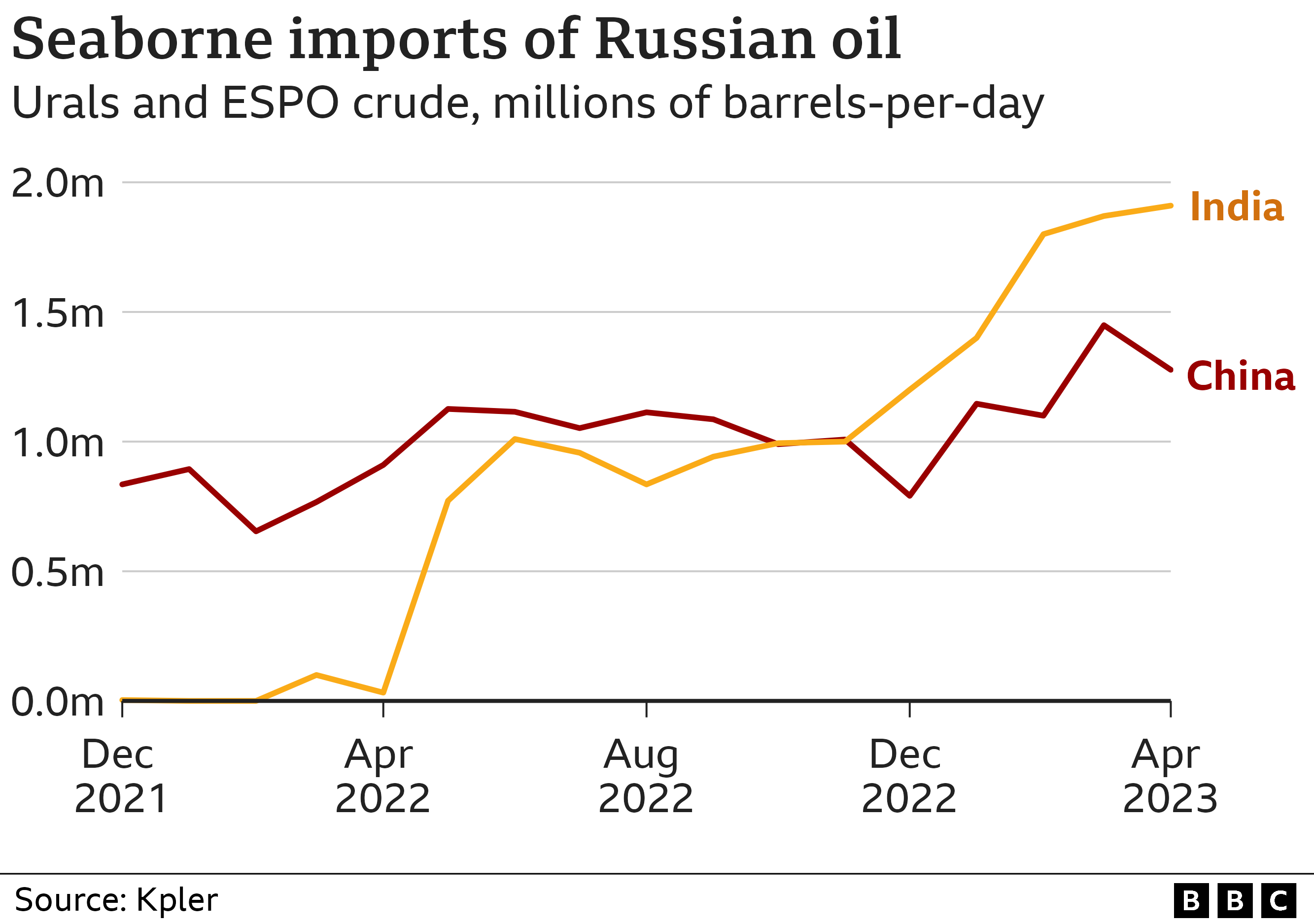
Beijing’s response has been carefully measured so far, with officials insisting that China's legitimate rights under international law must be protected. Even so, the economic reality is stark: Venezuelan crude shipments to China dried up entirely following the political shifts in Caracas earlier this year.
What Happens Next for Energy Markets
Will this deal actually lower gas prices at your local station anytime soon? Don't hold your breath for tomorrow. Rebuilding Venezuela's wrecked petroleum sector requires an estimated $100 billion in capital investment and years of heavy engineering work. Greenfield blocks take time to drill, pipelines need complete overhauls, and security guarantees remain fragile.
Yet, the strategic blueprint is set. If the private operators can successfully scale production past the 1.5 million barrels per day target, the flow of crude will eventually reshape Western Hemisphere energy independence.
Keep a close eye on the legal challenges winding through local courts and how aggressively Wall Street financiers decide to fund the infrastructure. The biggest oil deal in history is still just a piece of paper until the first heavy barrels start pumping through U.S. refineries en masse.
Understanding the Implications of the U.S.-Venezuela Oil Deal
This analysis provides essential context on the institutional challenges and legal questions surrounding the U.S.-Venezuela oil agreement.